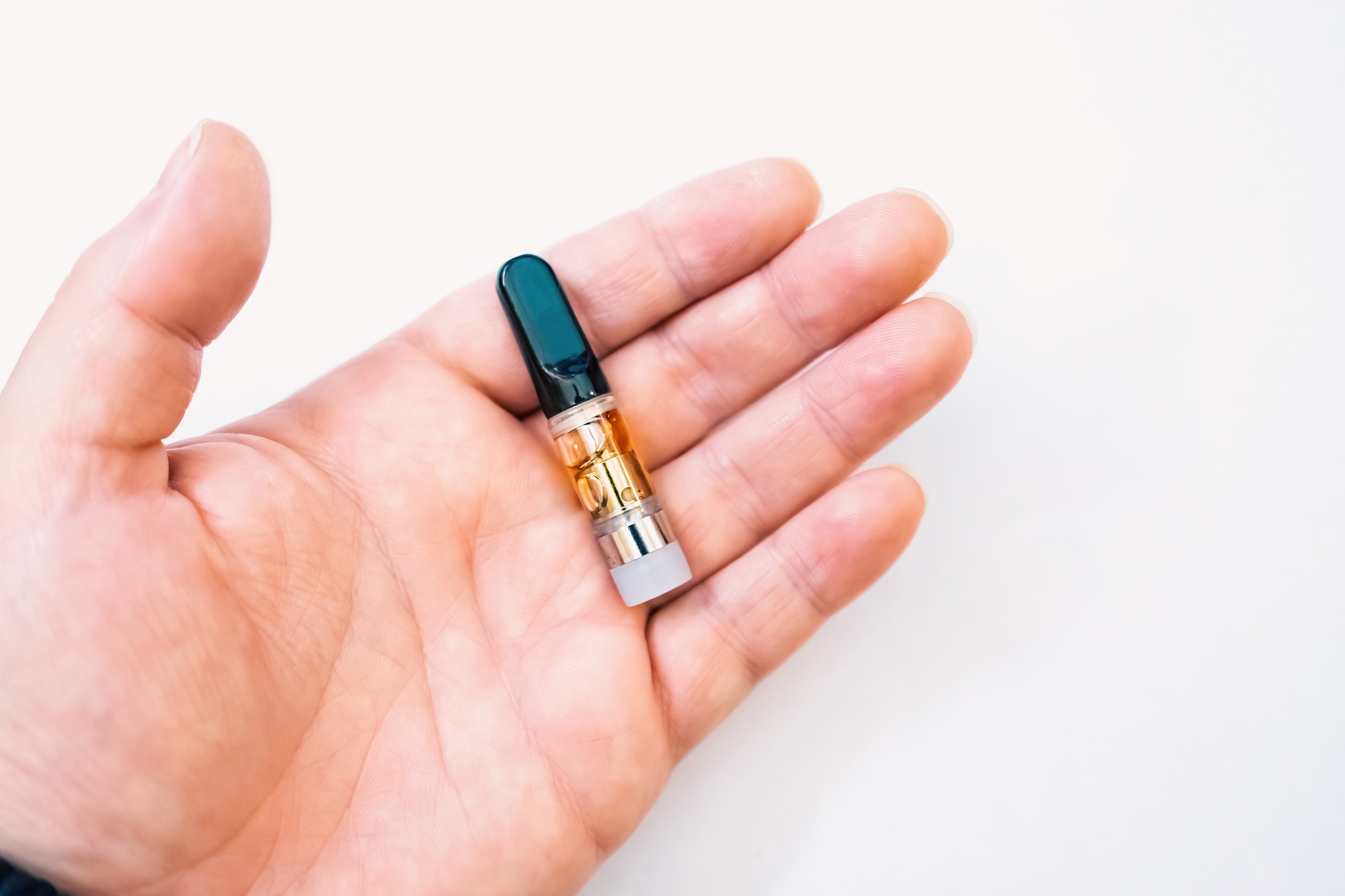
Here’s what separates THC and CBD vapes, primarily the compound they contain and the impact they provide. THC vapes consume tetrahydrocannabinol, which can make users feel high or euphoric. CBD vapes use cannabidiol, which is non-psychoactive but may provide relief from anxiety or minor aches. Both types come in various formats, such as pens or pods, and in varying potencies. Folks turn to THC for a more intense mood shift and CBD for a more lucid head. Regulations regarding these vapes may differ in each country, so it is advisable to verify them prior to purchase. Understanding the key highlights comes in handy when selecting between THC and CBD vapes. The following will display more of each and what to consider prior to use.
Key Takeaways
- There are major chemical differences between THC and CBD vapes that account for THC’s high and CBD’s non-intoxicating nature and why they’re used differently.
- In terms of legality, THC and CBD vapes have different legal statuses worldwide. It’s important for consumers to keep up with local laws to use them legally and safely.
- Knowing your source material – hemp or marijuana – and knowing if the company adds any additives or fillers in their cartridges is key for quality and safety.
- Users should identify their personal goals, whether recreational or therapeutic, and start with low doses to gauge tolerance and achieve desired effects.
- Reviewing third-party lab reports and selecting trusted brands can go a long way in ensuring the purity, potency and safety of both THC and CBD vapes.
- Your own individual body chemistry plays a huge role in your vaping experience, so maintaining a journal to record the effects, doses, and preferences can help you vape more safely and effectively.
Unpacking THC vs CBD Vapes
THC and CBD have different chemistries, impacting their behavior in the body. THC’s molecular shape is similar to anandamide, a neurotransmitter, so it fits right into CB1 receptors in the brain and induces intoxication. CBD, while close in carbon, hydrogen, and oxygen count, has atoms arranged differently. It doesn’t directly stimulate CB1 receptors, and it doesn’t get users “high.” Vape products usually include other cannabinoids and terpenes that can alter the flavor, scent, and impact. The cannabinoid ratio is important as well. Something with more CBD and less THC may produce lighter or non-intoxicating effects. Figuring out the chemistry of a vape helps users understand how it may impact them.
Chemical Makeup
While THC and CBD are both cannabinoids found in cannabis, their molecular structures vary just enough to cause them to create different effects in the body. THC’s shape enables it to fit into brain receptors associated with mood and perception, whereas CBD’s shape inhibits this fit, so it won’t get you high. Many vape formulas blend in other cannabinoids or terpenes. These additional compounds can alter the experience or flavor of a vape. Some full-spectrum vapes keep THC under 0.3% to satisfy legal regulations. For consumers, this is why reading those ratios on the label is crucial because a higher amount of THC or CBD can tip the balance of effects and side effects.
Psychoactive Effects
THC causes a high, changes mood, and may bring euphoria or, at high doses, anxiety. That psychoactivity is why THC vapes are popular for fun or pain relief. People react differently to THC. Tolerance, body chemistry, and dose all play a part. CBD is non-intoxicating. Some studies show it may ease anxiety or even dull some of THC’s stronger effects. Because CBD is not psychoactive, it appeals to those who want relief without getting high.
Legal Status
THC’s legal status varies by state. In California, both THC and CBD vapes are legal for adult recreational use, with regulations on potency, labeling, and age restrictions. Laws influence what’s available in dispensaries and online. Users should always verify local regulations and purchase from licensed retailers. With rules and guidelines updating periodically, it’s important to stay informed.
Source Material
THC is primarily sourced from marijuana plants and CBD can be derived from marijuana or hemp. Hemp-derived CBD is legal in more locations since hemp plants are cultivated to contain little THC. How to trace the vape’s power and clarity. Organic cannabis is viewed as safer and cleaner. Non-organic might contain pesticide residue. The plant you select also shifts the ratio of minor cannabinoids and terpenes, which can influence the ultimate impact.
Intended Use
THC vapes are generally recreational or for pain relief. Some use them to chill out or fall asleep, but excessive doses can produce anxiety or other unwanted side effects. CBD vapes are more for wellness; folks use them to attempt to relieve anxiety, alleviate pain, or aid in sleep. Understanding your objective guides you toward the right vape and away from undesired outcomes. Dose matters a lot for both: too much THC can be overwhelming, while the right amount of CBD may offer subtle, helpful effects.
How Each Vape Feels
Vaping THC or CBD provides distinct experiences, each unique in sensation and timing. Sensations can begin as quickly as five minutes, which makes vaping one of the quickest ways to feel a difference. The oil’s quality, the setting, and one’s history can all influence the experience in nuanced but significant ways.
The THC Experience
THC vapes typically provide a fast onset of euphoria, sometimes accompanied by an increase in mood and distortion in time and space. Some feel happy, chatty, or more connected to music or film. Others will feel their minds jumping from thought to thought, which can be enjoyable or annoying.
Side effects can pop up in a hurry. Others experience increased heart rate, mild anxiety, or dry mouth. The “high” can come across as flat or one-note if the vape is utilizing distillate oil and not a full-spectrum extract. This is due to the fact that distillates remove a lot of minor compounds, which can help with the overall effect.
Where you use THC counts. A noisy, crowded party might trigger anxiety and a quiet room might cause tranquility or introspection. The effects tend to peak within 30 minutes and last up to four hours. For a lot of us, everything is in moderation. Overdoing it can lead to dizziness or paranoia, particularly in novices.
The CBD Experience
CBD vapes take an alternative route. A lot of them report feeling calm, less stressed, and more grounded. Nervous thoughts might dissipate. There’s no powerful high or change in consciousness, which is a bonus for individuals seeking relaxation without intoxication.
CBD doesn’t induce the “high” associated with THC. Most users can remain clear-headed, allowing for improved management of daily activities. Others feel their concentration intensifies or their thoughts become clearer. Effects begin within minutes and generally last one to three hours.
CBD is flexible. People bring it out to relax after work, calm their jitters before speaking engagements, or fall asleep. Full-spectrum CBD oils, which preserve more of the plant compounds, can provide a fuller feeling of wellness than pure CBD isolate. Many people appreciate the low-key convenience of vapes for wellness while out and about.
Subjective Differences and Personal Preferences
The sensation from each THC or CBD vape is never consistent across all users. Body weight, mood, and even your daily habits can alter the experience. Some find THC uplifting, while others get anxious. CBD may sedate one person and energize another.
Oil type and brand make a difference. Full-spectrum oils can add a layered effect, whereas isolates or distillates might be more straightforward. Every person has to test them out, see what’s comparable and what blends optimally with their lifestyle. Onset and duration are quick relative to other forms, but the ‘perfect’ vape is an individual preference.
Vaping for Your Wellbeing
Vaping is the way to vape cannabinoids, preferred for their speed and controllability. Both THC and CBD vapes have been in the spotlight, each offering their unique impact as users seek relief or wellness that aligns with their individual preferences. Knowing what these substances actually do and how they interact with the endocannabinoid system is critical for anyone looking to use them for wellness purposes.
Potential Benefits
THC vapes are the exception here, excelling in pain relief, appetite stimulation, and nausea alleviation. Medical users commonly choose THC for chronic pain or to stimulate appetite in chemotherapy patients. For others, THC assists with muscle spasms and nerve pain, providing an alternative when conventional medicine fails.
CBD vapes are calming without the “high.” CBD’s anti-inflammatory properties are utilized by those suffering from joint aches, arthritis, or skin conditions. It’s sought after for stress relief and to assist with nervous energy in daily life.
Both THC and CBD hold promise for improved sleep. Lots of us vape these compounds to pass out or remain sleeping. Others combine them, longing for the entertaining equilibrium.
Customers can customize their vaping—whether it’s dose, timing, or THC to CBD ratio—to support different needs, such as pain, relaxation, or sleep. This tailored solution is feasible, as vaping provides rapid, unambiguous feedback on impact.
Associated Risks
THC vapes have risks including addiction, mood alterations, and cognitive slowdown. These effects may be more intense among younger users or those with mental illness. Poor judgment can be a safety issue, particularly when operating a vehicle or machinery.
CBD products, particularly unregulated ones, can differ in quality. Others may contain harmful chemicals or not align with the label dose, which is why selecting reputable brands is so important. Shoddily built vapes can subject users to harmful toxins.
Vaping itself has been associated with lung complications. Research indicates dangers like COPD, lung harm and impaired lung function. Symptoms including coughing, wheezing, bronchitis or even asthma have been observed in certain users. E-cigarettes can likewise cause inflammation and injury to lung tissue, potentially resulting in chronic lung disease. Although more study is needed on long-term effects, vaping has been associated with increased risks of heart disease and immune dysregulation, which may increase vulnerability to infections. Careful dosing and quality control are essential in reducing these risks.
The Vaping Hardware
Vaping hardware molds the consumption experience of both THC and CBD, influencing aspects like flavor and safety. Hardware is about more than just your personal style. It is about how you consume, maintain, and savor every experience. The kind of device and its components determine versatility, maintenance, and the authority users have over their experience.
Cartridge Contents
THC and CBD cartridges contain different blends of ingredients. A regular cartridge can have cannabinoids, carrier oils such as propylene glycol or vegetable glycerin, flavoring, and occasionally terpenes. Make sure to inspect for fillers or additives, such as vitamin E acetate, which can be dangerous. Not all cartridges are created equal. Some use pure distillate, while others will use thinners or cutting agents.
Terpenes have a major influence on taste and effect. They provide every product its signature aroma and can modulate the effects of THC or CBD in the body. For example, myrcene adds a musky scent and has the potential to relax users, while limonene offers a citrus scent and can contribute to elevated moods. Is it lab tested? This makes certain the contents are as stated and that there’s no sneaky dangerous stuff in there.
Device Differences
In fact, the design and function of THC and CBD vape devices are different. Vape pens are prevalent for both, generally thin and easy to operate, but provide less regulation. Mods and pod systems, while larger, enable users to customize options such as voltage or airflow for a personalized experience. Disposable vape pens, though convenient, burn through in approximately five hours and need to be swapped for more waste. Refillable devices are more expensive upfront but allow you to experiment with various strains and flavors and cut waste in the long run.
Easy-to-use things are important, particularly to newbies. One-button operation, transparent charging indicators, and simple cartridge swaps all make devices less intimidating. Cutting edge tech, such as temperature control, can enhance flavor and vapor consistency. Battery life is crucial because nobody wants to have to constantly be plugging in their device. Routine care, such as swabbing the mouthpiece with a safe wipe, keeps both healthy and humming. Read the manual and follow care instructions to prevent issues.
Choosing Cannabis Vapes Wisely
Selecting a cannabis vape is not simply a matter of choosing a device or a flavor. That means knowing what you want, verifying the brand’s trustworthiness, and being safe and legal. Cannabis vapes are available in many formats, including vape pens, mods, and pod systems, each with specific features. CBD and THC extracts differ too: full-spectrum, broad-spectrum, and isolates. Legalities and quality standards shift by area, so it’s important to do your homework.
Define Your Goal
They’re taking cannabis vapes for different reasons. Some want a recreational high, which comes from THC binding to CB1 receptors in the brain. Others seek solutions for stress, pain, or insomnia, where CBD can assist but doesn’t get you high. If you’re after therapy, CBD vapes are legal where THC is under 0.2%. Recreational ambitions might steer you towards THC vapes, which are subject to local regulations and legal restrictions.
Clear objectives temper expectations. An individual seeking potency might be left wanting by CBD’s light result. Those requiring pain relief could go for full-spectrum CBD for its broader cannabinoid profile, but rest assured, EU-compliant products keep THC below strict thresholds. Flavor choices, device preferences, or convenience factor in as well. Vape pens are carefree and mods give you more control but are less discreet.
Read Lab Reports
Lab reports reveal what’s in every vape. They validate the dosage of CBD or THC, screen for contaminants and demonstrate the product is safe. Independent testing is crucial. They did not test it themselves; the brand did not conduct the testing, an exterior laboratory did. This builds confidence and keeps consumers away from harmful additives or inaccurately labeled products.
Check for cannabinoid strength. CBD, THC, and other cannabinoids should be listed with exact numbers in a report. Purity is important as well. Reports should indicate no heavy metals, pesticides, or solvents. If a brand doesn’t provide transparent lab reports, shop elsewhere. Third-party testing is now the norm among trusted producers.
Start with Less
New users should start low. Both can hit hard, and everyone’s tolerance is different. Starting low allows you to observe your body’s reaction and steers you away from negative experiences. For instance, an excess of THC can lead to anxiety, dizziness, or undesired highs. Excess CBD can cause drowsiness or stomach upset, while it is less risky than THC.
Slowly increase if necessary. Maintaining a spreadsheet of your usage and how you felt keeps you on track to find the right balance. It applies to all vapes, from pens to pods. Overconsuming is a danger, but diligent tracking and a little patience mitigate this danger. Safe dosing keeps you safe and makes your experience pleasurable, whether recreational or therapeutic.
The Entourage Effect Myth
The entourage effect is a concept in cannabis biology that states the various compounds in the plant, such as THC, CBD, and terpenes, synergize to produce behaviors or effects that are distinct from what an individual compound could elicit alone. This theory has been beloved by consumers and the cannabis industry alike, but the data to support it isn’t as robust as you would think. Others highlight the lack of robust scientific evidence backing the concept in the literature, and some have even identified evidence contradicting it. Yet others in the field believe the entourage effect is valid, despite direct evidence being sparse. This divide underscores all that we still have to learn. The prevailing opinion is that full-spectrum products that include a broad range of cannabis compounds will always outperform isolates like THC or CBD alone. Perhaps most damaging to it is that studies comparing plant marijuana with isolated THC have demonstrated no such difference in effect, calling into question its universality. Weeding out the entire mythology of entourage effects and all that, differences in user experience may be more about personal biology or placebo than actual synergy.
Beyond Isolation
Terpenes, which smell and taste like cannabis, have a lot to do with how the plant affects us. They could alter how cannabinoids such as THC and CBD act on our bodies, though the science remains inconclusive. Others demonstrate non-THC cannabinoids have their own neurochemical actions, sometimes in ways that bolster the entourage effect hypothesis. When cannabinoids like CBD and THC are combined, there is evidence that CBD can either enhance or inhibit THC’s effects, although findings are conflicting.
You know, trying products with different blends can open up new experiences. Every batch of full-spectrum vape oil has a slightly different blend of these compounds, and some imitators say the mixes just ‘feel’ different from isolates. There is not one best for all. That is the only way to know what works best – to give a variety of products a try. An open mind and attention to subtle shifts in effect will assist users in discovering the optimal mix.
Your Personal Chemistry
How a vape hits is sculpted by your individual physiology. Our metabolism, genetics, and diet can alter the way THC or CBD behave. Certain individuals require a higher amount to experience a similar sensation. Some are more sensitive.
Finding the right dose is not more. It’s about knowing how your body responds. Self-awareness is the secret sauce. Begin slowly, record your observations, and pay attention to how each adjustment feels. A journal will track what works and what doesn’t. In time, you will observe trends and discover what works for you.
Conclusion
THC vs CBD vapes present two distinct routes. THC vapes provide an intense high, right quick. CBD vapes remain smooth, steady, and calm. Each kind has its own equipment and vibe. Others turn to vapes to alleviate pain or improve mood. Others take them recreationally or for sleep. The ‘entourage effect’ myth still rages on, but the reality is that each vape operates individually. THC vs CBD Vapes: What’s the Difference. To pick the right vape, know your goal and check what you buy. Read the labels and ask questions. Arm yourself with what’s right for you. Post your tale or request advice below. What’s best begins with what you want from your vape.
Frequently Asked Questions
What is the main difference between THC and CBD vapes?
THC vapes have tetrahydrocannabinol that produces a ‘high’. CBD vapes use cannabidiol, which does not induce a high and is commonly preferred for relaxation or health purposes.
Do THC and CBD vapes feel different?
Yes. THC vapes can get you high or giggly. CBD vapes typically encourage relaxation without any psychoactive effects.
Are THC vapes legal everywhere?
THC vape laws differ in every nation and even in each state or province. Be sure to check local laws before purchasing or consuming THC.
Can CBD vapes help with anxiety?
Some users experience less anxiety with CBD vapes. Research is still being done, and impacts can be individual.
What should I consider when choosing a vape device?
Search for device quality, battery safety, and easy-clean features. Select a device suitable for your selected vape oil, THC or CBD.
Is there a health benefit to vaping CBD instead of THC?
CBD is popular for wellness and may help relieve discomfort, stress, or trouble sleeping, without the high. THC can be helpful as well, but it gets you high.
What is the “entourage effect” in cannabis vapes?
The ‘entourage effect’ is the concept that cannabinoids and plant compounds are more effective in combination. There’s not a lot of science for this effect in vapes yet.
Cannabis Vapes at Woodland Cannabis Dispensary
If you’re searching for high-quality cannabis vapes backed by real product knowledge, Woodland Cannabis Dispensary has you covered. We carry a wide range of cartridges, disposables, and vape pods, all lab tested for purity and consistent potency. Whether you want something uplifting, calming, or designed for a specific effect, our team can point you toward the right option.
Woodland Cannabis Dispensary creates a relaxed, supportive space where you can learn about different vape types and feel confident in what you’re choosing. Stop by in person to check out our full menu, browse online when it’s convenient, or use our express ordering for a fast pickup. With a focus on customer care and dependable vape products, Woodland Cannabis Dispensary makes it easy to enjoy a smooth and satisfying vaping experience.
Disclaimer
The materials available on this website are for informational and educational purposes only and are not intended to provide medical or professional advice. You should consult with a qualified healthcare provider for advice concerning any particular medical issue or condition. Do not act or refrain from acting based on any content included on this site without seeking appropriate medical or other professional advice. The information presented on this website may not reflect the most current medical developments or practices. No action should be taken in reliance on the information on this website. We disclaim all liability for actions taken or not taken based on any or all of the contents of this site to the fullest extent permitted by law.
