
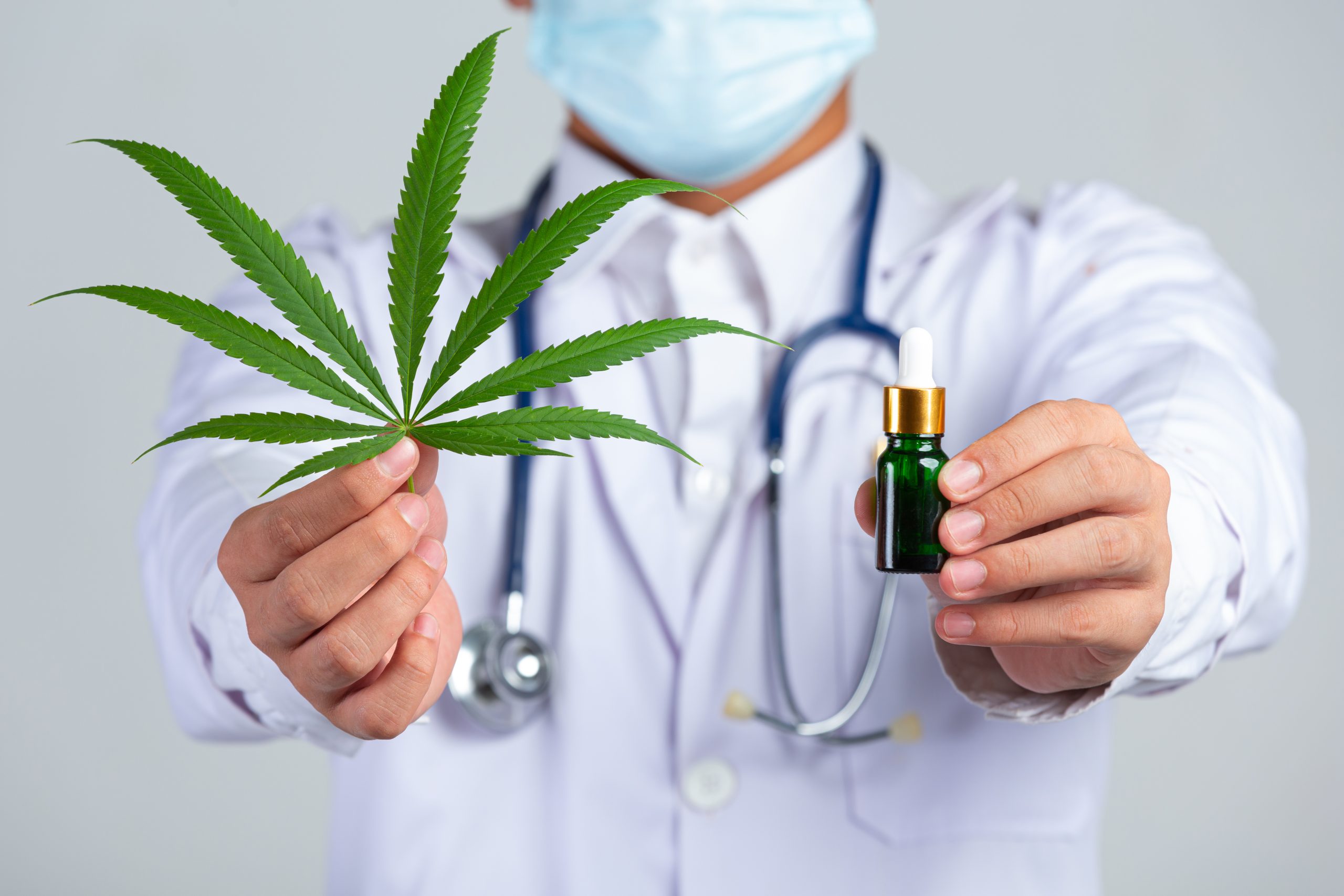
How to talk to your doctor about using cannabis for wellness was aimed at helping plan clear, informed conversations with medical providers. It discusses what to disclose about symptoms, existing medications, and prior substance use, and provides guidance on how to inquire about dosing, side effects, and legality. The guide addresses common medical concerns, like interactions with prescription drugs and effects on mental health, and highlights foundational evidence for symptom relief across pain, sleep, and anxiety. It recommends that you bring notes, track symptoms, and ask for follow-up. It aims to empower patients to have respectful, fact-based conversations that facilitate shared decision making and safe care.
Key Takeaways
- Be open about your cannabis use so your doctor can create a safer, more effective treatment plan and monitor for interactions between the cannabis and your medications or procedures.
- To get the most from your doctor visit, come prepared with symptoms, medications, goals, and products you want to try documented to make it an efficient and factual conversation.
- Use direct, non-aggressive language to explain what you want and inquire specifically about dosing, administration, and expectations.
- Anticipate diverse physician reactions and be polite. Provide resources or refer you to a specialist if your provider is uninformed or uncomfortable.
- Coordinate cannabis with your overall care. Set dosing plans, track effects, and schedule follow-ups to adjust treatment based on real-world results.
- Approach cannabis as just one piece of a general wellness plan that involves lifestyle habits and transparency with your full care team.
Why Discuss Cannabis Use?
Talking with your healthcare provider about medical cannabis consumption allows them to create a safer, more effective treatment plan tailored to your health. By discussing cannabis use patterns, reasons, and effects, clinicians can balance risks and benefits, identify potential interactions with other medications, and tailor treatment options to your wellness journey. Transparent disclosure minimizes surprises in care, facilitates accurate diagnosis, and helps us schedule tests or procedures that might be impacted by cannabis.
Your Safety
Mention cannabis use so your doctor can monitor for side effects or interactions with prescriptions and OTCs. A few common medications, such as blood thinners and some antidepressants, may interact with cannabinoids and alter drug metabolism.
Discuss dosage, frequency, and delivery. Smoking, vaping, oils, edibles, or topicals vary in onset and duration. Dosage specifics enable a provider to calculate exposure and risk.
Cannabis can be important for anesthesia and pain management. Inform surgical teams of usage ahead of operations as cannabis can impact anesthetic requirements or pain medicine response.
Include every substance: CBD products, herbal supplements, and recreational use. These tiny, online-sold products can be laced with active THC or contaminants that alter safety. Transparency keeps things from getting complicated.
Treatment Efficacy
Tell us what you’ve tried and how it helped or didn’t. That real-world feedback enables a clinician to decide whether cannabis is working for your symptoms compared to standard therapies.
Outcome area | Cannabis findings | Standard therapy |
Pain relief | Variable; some report reduced pain | Often consistent, evidence-based dosing |
Sleep | Can aid onset; disrupted sleep with long-term use | Targeted meds or CBT-I available |
Anxiety | Mixed; may help or worsen | Established therapies with known risks |
Discuss benefits and limits: symptom relief, functional change, side effects, and evidence gaps. Work with your doctor to review test results and establish how you want to improve. Use common data such as symptom logs, sleep trackers, or pain scales to track progress and adjust the plan.
Building Trust
Be honest about your use, why you do it, and what you expect. Honor your doctor’s education when inquiring about integrative methods. For example, if you’re afraid of stigma or legal ramifications, clinicians can talk to you about confidentiality and local laws.
Provide past experiences or misinformation so the doctor can re-educate and manage expectations. An open, non-judgmental, fact-based conversation helps care coordination and keeps treatment aligned with your overall health.
Prepare for the Conversation
Before your appointment, gather key medical information to ensure a productive conversation about potential treatment options, including medical cannabis. Create a brief timeline detailing your diagnosis, current symptoms, and treatments, while logging how these symptoms affect your work, sleep, and daily activities. This preparation will help make your visit with the healthcare provider smoother and more effective.
1. Define Goals
Clarify what you want from cannabis use: pain relief, less anxiety, better sleep, or general wellness. Understand if you consider medical cannabis to be symptom care, an adjunct to existing therapy, or a potential replacement. Set achievable goals. While cannabis can alleviate symptoms, it is seldom a cure. Share your aspirations with your healthcare provider so they can tailor a treatment option that suits your needs and medical history.
2. Document Symptoms
Maintain a brief log noting intensity, frequency, triggers, and any patterns related to your medical cannabis use. Include examples such as nights you woke from pain, days you skipped exercise, or weeks your mood dipped. If you’ve already used cannabis products, observe pain scores or hours of sleep or side effects. Bring this log to provide the clinician with concrete support for your treatment options, as doctors focus on patient detail due to time constraints.
3. Research Products
Learn about basic medical cannabis product types: flower, oils, edibles, topicals, and CBD isolates. It’s important to be aware of typical impacts associated with THC and CBD, as well as how onset and duration vary by consumption method. Smoking provides immediate effects, while edibles offer a delayed but more enduring experience. Before your medical cannabis assessment, jot down a quick list of products and delivery methods you want to discuss, which will assist your healthcare provider in guiding dosing, safety, and what aligns with your lifestyle and goals.
4. Review Medications
Compile a full list of prescriptions, over-the-counter drugs, and supplements, noting doses and timing. Inquire about interactions with blood thinners, sedatives, or chemotherapy agents to ensure safety. Healthcare providers, including pain management physicians, need this list to assess risks and plan treatment options effectively.
5. List Questions
Jot down focused questions about dosing, side effects, and evidence for your medical condition. Inquire about certification or medical marijuana card steps in your area and any clinic policies on medical cannabis. If the talk is unhelpful, get a second opinion.
How to Start the Talk
Open with a quick, blunt declaration that you want to investigate medical cannabis as a wellness instrument. Say something like, ‘I’ve been reading about medical marijuana for [insert your condition], and I’d like to know what you think.’ This sets the stage for the visit and demonstrates you came equipped. Mention specific goals, for example, reduce chronic back pain enough to sleep through the night, lower anxiety attacks from daily stress, or cut opioid dose by a target amount. These unambiguous goals assist the clinician in balancing risks and benefits.
Be specific about symptoms, frequency, and impact on life. Describe how frequently the pain or anxiety strikes, the typical duration of episodes, and specific ways it interferes with work, sleep, or relationships. Note prior treatments tried and results. For example, physiotherapy for six weeks with little change or two antidepressant trials with side effects. This provides context and demonstrates you’re not requesting cannabis use in a vacuum.
In simple, non-judgmental language, ask for the clinician’s perspective. Try: “I’m interested in cannabis for symptom relief. What is your perspective?” If you already use cannabis or CBD, disclose it the same way you would other drugs: “By the way, in addition to ibuprofen and paracetamol, I’m taking medical marijuana.” Truthfulness is important for allergy and drug interaction checks. Inform them of specific products, dosages, frequency, and route of administration – smoked, vaporized, tincture, or edible – so they can evaluate interactions and side effects.
Plan and bring notes or a brief symptom diary. A two-week log with times, triggers, pain ratings on a zero to ten scale, sleep hours, and current meds will guide the visit. Share any research or professional advice you examined together. Some docs may embrace cannabis, while others may be more hesitant. Clinical experience and local laws inform their position.
If the clinician appears uncooperative or uncertain, seek recommendations or an alternative opinion. You are entitled to shop around. A little preparation and clear disclosure will help make the appointment smoother and more productive.
Navigating Doctor Responses
Physicians can respond in various ways when patients mention medical cannabis for wellness. Understanding potential responses and focusing on health objectives is crucial. Be prepared to discuss medical marijuana options or seek answers regarding treatment options to ensure a constructive and secure conversation.
The Supporter
Recognize signals that your friendly doctor is open: they ask about dose, timing, delivery method, or prior responses to other treatments. A good clinician will approach medical cannabis like any other therapeutic decision and aim to help you create a plan that suits your condition and lifestyle. Collaborate on a personalized plan: set clear goals, for example, reduce nightly pain by 30% or improve sleep duration by 60 to 90 minutes, pick a delivery form, tincture, inhaled, topical, and agree on starting dose and stepwise titration. Navigate doctor responses by asking for targeted product or strain recommendations tied to those goals, and introduce monitoring steps like symptom diaries or visits every 2 to 4 weeks until you fall into a stable routine. Leverage your doctor’s expertise to balance safety and effectiveness — talk interactions with existing medications, liver screenings, or how to wean off other medications if necessary.
The Skeptic
Certain healthcare providers may object to cannabis use due to concerns about risk, legality, or insufficient evidence. Write back to those directly with your documented symptoms, treatment history, and a brief summary of studies relevant to your medical condition. Acknowledge the limits of current research and propose a time-limited trial with objective measures such as symptom logs and validated scales. If legality or institutional policy restricts their involvement, request a referral or for the provider to record your intent as you seek a specialist. Ask for concrete advice on combining medical cannabis with your current medications—how it could change doses of sedatives, blood thinners, or antidepressants—and confirm when to end the experiment if symptoms emerge.
The Uninformed
Recognize unfamiliarity when a healthcare provider defers, equivocates, or blames policy uncertainty regarding medical cannabis. Provide brief, credible resources and reference the Endocannabinoid System to demonstrate that you’ve read the science. Propose a targeted hand-off to a pain management physician or cannabis clinic specialist if necessary. Clear follow-up is essential: share your tracked cannabis use and effects in metrics and ask the doctor to stay in the loop about interactions and medication changes, safeguarding your treatment.
Integrating Cannabis with Care
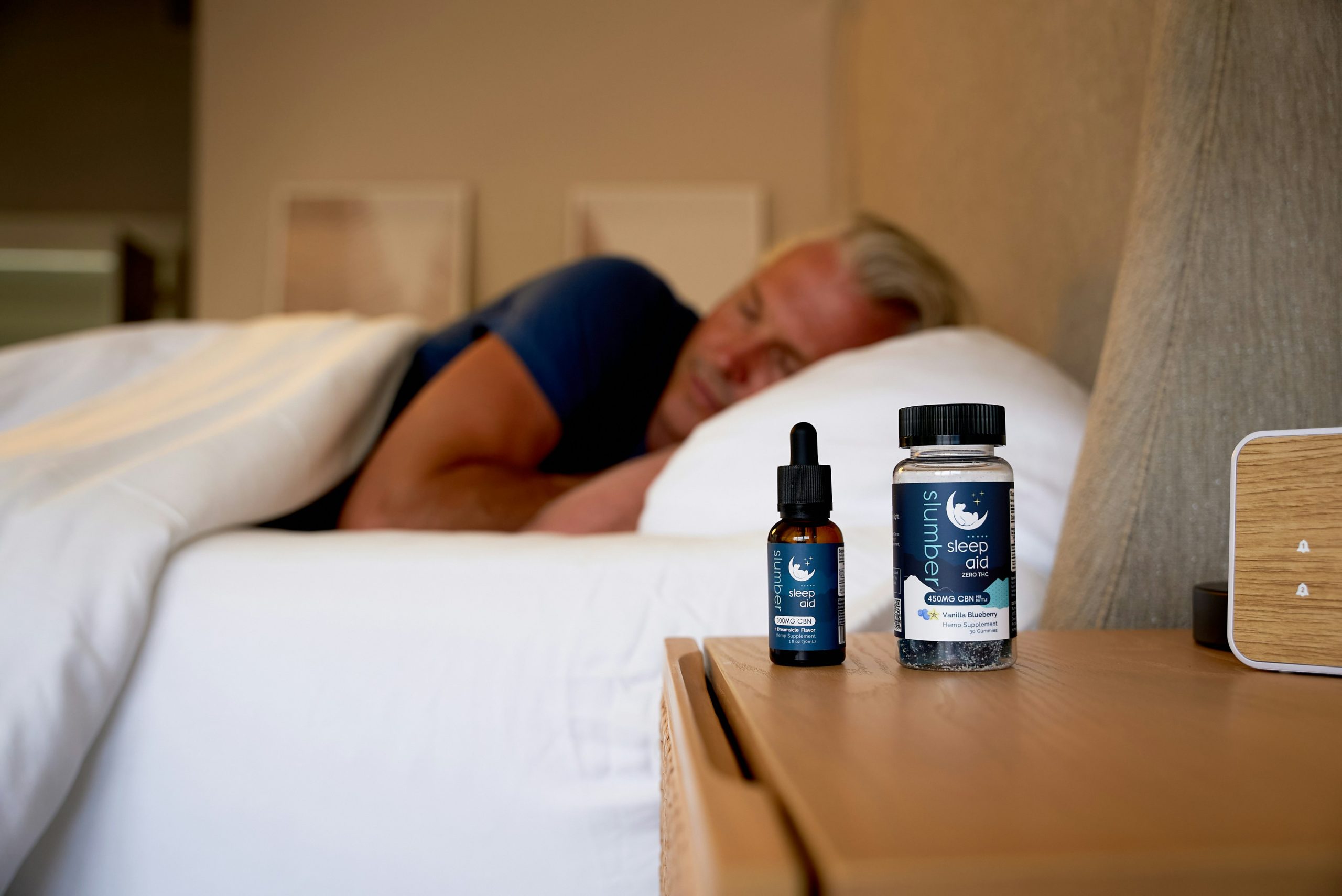
Patients frequently don’t mention their medical cannabis use when speaking to healthcare providers. This gap can result in missed doses, increased or reduced drug levels, or unchecked side effects. Start with a short explanation of your existing cannabis products and goals before getting into details, allowing the care team to address the full scope.
Dosage Dialogue
Start with clear facts: age, weight, current meds, prior cannabis experience, and symptom patterns. Consult your physician for an initial dose and a schedule to increase it gradually. For the majority of adults, clinicians recommend low-dose THC, which is about 1 to 2.5 mg, or measured CBD, which is between 10 and 25 mg, depending on the condition. Then titrate every few days while monitoring effects. Ask for a titration schedule in writing and a ‘stop increasing’ note.
Explain how to adjust dose if pain gets better, gets worse, or side effects arise. Hear indicators that you have too much THC, such as dizziness or sedation, and when to scale back. Log doses, times, symptom ratings, and side effects for follow-ups. Take this record to appointments so advice is data-driven.
Method Matters
Method | Onset | Duration | Pros | Cons |
Inhalation (vape/smoke) | 5–15 min | 2–4 hours | Fast relief; easy dose adjust | Respiratory risks; variable dose |
Oral (edibles/capsules) | 30–90 min | 6–12 hours | Long relief; discreet | Harder to titrate; delayed onset |
Sublingual (tinctures) | 15–45 min | 4–6 hours | Faster than oral; measured dosing | Variable absorption |
Topical | Minutes/local | Hours/local | Local relief; low systemic effects | Limited for systemic issues |
Match the method of medical cannabis use to your goals and lifestyle. For sleep, oral forms may provide a longer advantage, while for acute pain flare, inhalation or sublingual options might be more effective. Consider your respiratory history, job safety, and the need for stable plasma levels in treatment planning.
Monitoring Effects
Establish a simple tracking system for daily symptom scores, sleep hours, mood notes, and side effects. Plan a follow-up two to four weeks after the initiation or dose modification, then every three months or as needed if issues arise. Be cautious of interactions: medical cannabis can alter liver enzymes and affect medications like blood thinners. Share new prescriptions with your care team immediately, including your pain management physician, to ensure consistent dosing and monitoring throughout your healthcare provider circle.
The Holistic Health Picture
A holistic health picture provides context for any conversation about medical cannabis. Many conventional doctors see patients for brief visits, so they might not be aware of additional medical conditions, lifestyle habits, or ancillary treatments you utilize. For example, if you’re having sleep trouble, have chronic pain, experience mood swings, or take supplements, mention previous and present medicines, including over-the-counter and herbal products. Include the dose, timing, and how long you’ve used them. This assists the healthcare provider in identifying potential risks, interactions, or gaps in care.
Cannabis in the context of a larger wellness paradigm includes diet, exercise, and stress. Detail your diet, activity, and sleep habits such that the physician can balance how cannabis use can be of assistance or harmful to your objectives. For instance, if you’re trying to lose weight, you may want to avoid the fact that some cannabis strains boost appetite. If you’re treating insomnia, describe your bedtime habits and caffeine intake. Offer concrete examples: a 30-minute evening walk paired with relaxation breathing or mindful meals to reduce late-night snacking. These details let clinicians suggest how cannabis might fit or conflict with other habits.
Conclusion
Discussing cannabis with your doctor can feel fraught, but these clear steps reduce the tension. Come with notes on your goals, doses, and what you tried. Just talk in simple terms about effects, good and bad. Here are some tips to help you talk with your doctor about cannabis as a wellness tool. If a doctor remains unsure, request a second opinion or find a doctor with cannabis experience. Maintain notes on variations and adverse effects. Mix cannabis into your regimen with your doctor’s guidance and routine consultations. Tiny, consistent steps make care safer and more helpful. Ready to initiate the conversation! Either way, plan a visit or jot down a quick overview to bring up at your next appointment.
Frequently Asked Questions
How do I bring up cannabis use with my doctor?
Open with the fact you want to discuss all wellness tools you employ, including medical cannabis options. Be honest, concise, and specific about frequency, dose, and product type to enable your healthcare provider to give personalized guidance.
What medical details should I share?
Discuss symptoms being treated, other medications, medical history, and previous reactions with a friendly doctor. Include product details such as CBD versus THC, delivery method, dose, and source for medical cannabis.
Will my doctor judge me or refuse care?
Most clinicians think about safety and data when considering medical cannabis as a treatment option. Laws and clinic policies regarding cannabis use are not consistent. If you feel dismissed, ask for evidence-based reasons or a referral to a healthcare provider familiar with medical marijuana.
Can cannabis interact with my prescription medicines?
Yes. Cannabis compounds, including medical cannabis, can interact with medications metabolized by liver enzymes. Inform your healthcare provider of any prescriptions or supplements to adjust dosing if necessary.
How can my doctor help me use cannabis safely?
A friendly doctor can assist you with dosing, side effects, and interactions of medical cannabis, providing evidence-based treatment options and specialist referrals.
Should I bring product labels or lab reports to the appointment?
Yes. Bring labels or third-party lab reports that indicate potency, pesticides, or other contaminants, as these enhance safety and assist your healthcare provider in offering precise advice.
How should cannabis be integrated with my overall care plan?
Consider medical cannabis as one piece of your treatment options. Pair it with lifestyle modifications, therapies, and guidance from a friendly doctor to monitor benefits and risks.
