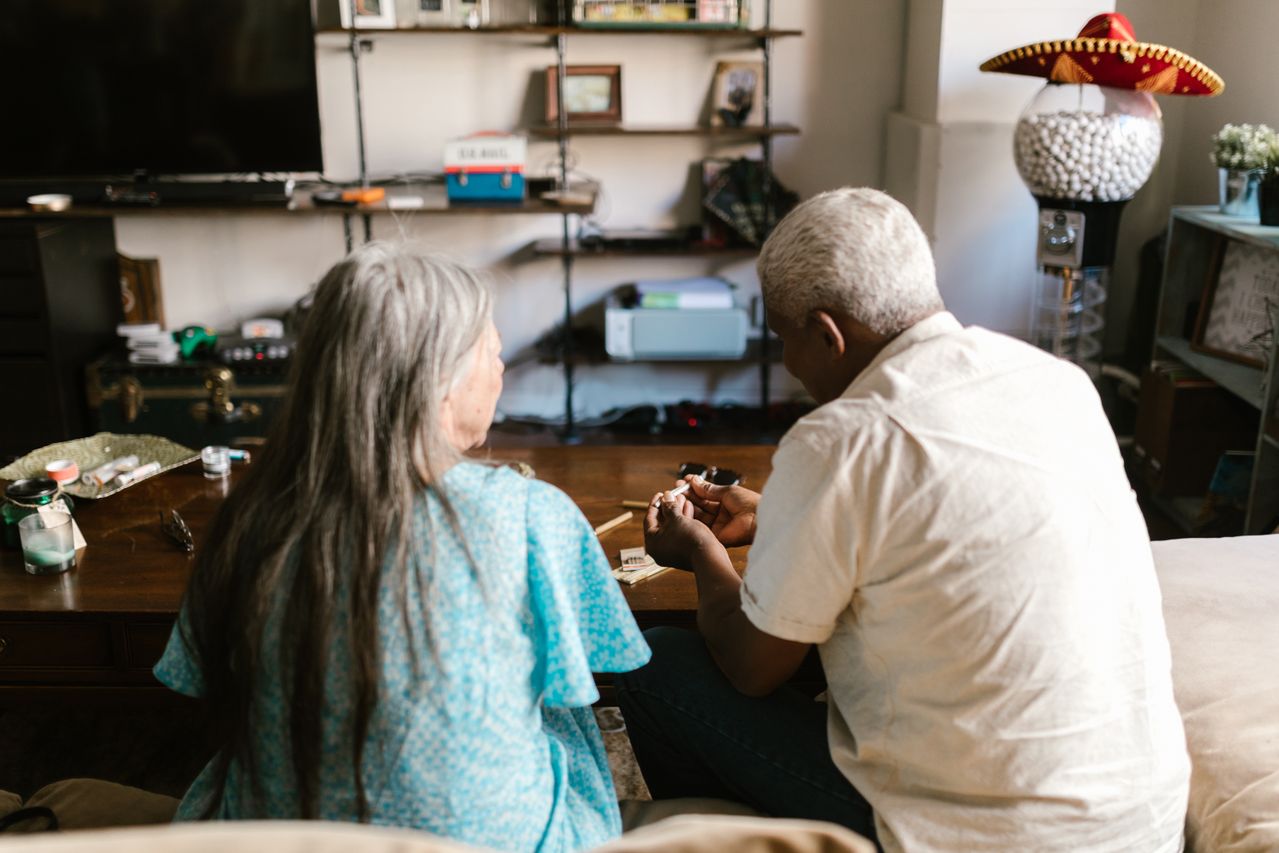
Cannabis use among older adults has become more visible as laws have changed, products have multiplied, and people have searched for new ways to manage pain, poor sleep, low appetite, anxiety, or treatment-related symptoms. A senior who never considered cannabis decades ago may now hear about it from friends, relatives, advertisements, or even another patient in a waiting room. That growing familiarity can make cannabis seem simple. In reality, trying it for the first time deserves careful planning—especially for an older person who takes prescription medicines, lives with chronic health conditions, has balance problems, or has not used an intoxicating substance in many years.
Age does not automatically make cannabis unsafe, but aging changes how the body responds to medicines and other substances. Older adults may process drugs more slowly, experience stronger effects from a small amount, and be more vulnerable to dizziness, confusion, low blood pressure, rapid heart rate, or impaired coordination. Many seniors also take several medications at once. Cannabis, including cannabidiol (CBD), may alter the effects of some medicines or add to drowsiness caused by sleep aids, anxiety medicines, opioids, antihistamines, or alcohol.
Cannabis is also not one uniform product. Different products can contain very different amounts of delta-9-tetrahydrocannabinol (THC), the primary intoxicating compound, and CBD, which does not cause the same kind of high but can still produce side effects and drug interactions. Inhaled cannabis begins working relatively quickly, while swallowed products may take much longer to produce noticeable effects. Edibles can therefore lead an inexperienced person to take more before the first serving has fully taken effect.
The goal of this guide is not to encourage or discourage cannabis use. It is to help seniors and their families ask better questions, recognize meaningful risks, and make a more informed decision with a qualified healthcare professional. Laws, product standards, and medical-cannabis rules vary by location, so readers should confirm current local requirements as well as their personal medical risks.
Key Takeaways
- Talk with a doctor, nurse practitioner, or pharmacist before trying cannabis, and provide a complete list of prescriptions, over-the-counter medicines, vitamins, supplements, alcohol use, and other substances.
- Do not assume CBD is harmless. It can cause sleepiness, gastrointestinal symptoms, mood changes, liver-related concerns, and medication interactions.
- THC can affect memory, judgment, coordination, reaction time, heart rate, and blood pressure. These effects may increase the likelihood of falls, driving impairment, panic, or confusion.
- Product type matters. Inhaled products act faster, while edible effects are delayed and can last much longer, making accidental overconsumption easier.
- If a clinician agrees that a trial is reasonable, use a clearly labeled, regulated product, begin with the smallest practical amount, avoid combining products, and wait long enough to judge the effect before considering more.
- Choose a safe setting, have a trusted sober adult available, remove fall hazards, and avoid driving, cooking over an open flame, climbing stairs unnecessarily, or making important decisions while impaired.
- Cannabis should not replace necessary medical evaluation or proven treatment. New pain, weight loss, insomnia, anxiety, or appetite changes may signal an underlying condition that requires diagnosis.
- Seek urgent help for chest pain, trouble breathing, fainting, a seizure, severe agitation, extreme confusion, signs of stroke, or an inability to awaken the person normally.
Why More Seniors Are Considering Cannabis
Older adults consider cannabis for many reasons. Some hope it will reduce chronic pain or muscle discomfort. Others are looking for relief from nausea, poor appetite, sleep difficulty, or symptoms associated with serious illness. Some are simply curious because cannabis is legal for medical or adult use where they live.
The interest is understandable, but personal stories are not the same as clinical evidence. A friend may describe dramatic relief while another person experiences no benefit or develops unpleasant side effects. Outcomes depend on the condition being addressed, the person’s health, the product’s composition, the route of administration, the amount taken, and other medicines in the body.
Before trying cannabis, a senior should identify the exact goal. “I want to feel better” is difficult to evaluate. “I want to reduce nighttime nerve pain from an eight to a five and sleep for five uninterrupted hours” is more measurable. A defined goal helps the person and clinician determine whether a trial is producing worthwhile benefit or merely causing sedation.
Cannabis Is Not A Cure-All
Marketing often stretches beyond the evidence. Cannabis products may be promoted for pain, insomnia, anxiety, dementia, cancer, diabetes, or many other conditions. No single product should be expected to address every symptom, and an unapproved product should not be treated as a proven cure. In the United States, the Food and Drug Administration has approved a limited number of prescription cannabinoid-related medicines for specific indications; ordinary dispensary products are not automatically FDA-approved treatments.
The FDA also warns that most consumer CBD products have not been evaluated to establish an effective dose, interactions, or safety for a particular medical condition. Product quality can be uncertain, and some tested products have not contained the amounts stated on their labels. These concerns make professional review and reliable sourcing particularly important. The FDA’s consumer guidance explains CBD risks and regulatory limits.
Symptoms Deserve A Diagnosis First
Cannabis can sometimes mask a symptom without addressing its cause. New back pain could reflect a fracture, infection, or another medical problem. Reduced appetite and weight loss could be related to medication side effects, depression, dental difficulty, digestive disease, or cancer. Insomnia can result from sleep apnea, restless legs, pain, nighttime urination, or poor sleep habits. New anxiety or confusion may have a medical cause.
A clinician should evaluate persistent, severe, or unexplained symptoms before a person attempts to suppress them. Delaying assessment can allow a treatable problem to progress.
Understanding THC, CBD, And Product Labels
THC and CBD are cannabinoids, but they do not have identical effects. THC can produce euphoria or a high and can alter perception, attention, memory, coordination, and judgment. CBD is not intoxicating in the same way, yet “non-intoxicating” does not mean inactive or risk-free.
CBD can cause drowsiness, diarrhea, reduced appetite, irritability, and other effects. It can also affect how the body handles medications. The FDA notes a potential for liver injury and warns that combining CBD with alcohol or medicines that slow brain activity may increase sedation and injury risk.
Read Milligrams, Not Marketing Terms
Words such as “relaxing,” “wellness,” “nighttime,” “natural,” “full spectrum,” and strain names do not tell a first-time user exactly how strong a product will be. Look for the quantity of THC and CBD in milligrams per serving and in the entire package. A package may contain multiple servings even if it looks like one snack.
Labels should also identify the ingredients, lot or batch number, testing information, expiration date, and warnings. Seniors should avoid products with unclear cannabinoid amounts, vague homemade formulations, or packaging that resembles ordinary candy. A pharmacist or knowledgeable clinician can help interpret a label, though they may not be able to verify every commercial claim.
Ratios Still Require Exact Numbers
A label may advertise a THC-to-CBD ratio, such as 1:1 or 1:10. Ratios can be useful, but they do not replace the actual milligrams. A 1:1 product containing a small amount of each compound is very different from a 1:1 product containing a large amount of each. For a first trial, the total amount matters greatly.
Full-Spectrum CBD May Contain THC
Some CBD products contain additional cannabis compounds, including small amounts of THC. Depending on the product, dose, frequency, and individual metabolism, THC could produce impairment or contribute to a positive drug test. Seniors who drive professionally, work in regulated fields, live in facilities with substance policies, or undergo drug testing should clarify the consequences before use.
Why Cannabis Can Affect Older Adults Differently
The aging body often has less lean muscle, different fat distribution, reduced kidney or liver reserve, and greater sensitivity to centrally acting substances. These changes do not affect everyone equally, but they can make effects less predictable. Frailty, dehydration, poor nutrition, and acute illness may further increase sensitivity.
Balance, Coordination, And Falls
THC may cause dizziness, slowed reactions, altered depth perception, and poor coordination. Cannabis may also contribute to a drop in blood pressure when standing, producing lightheadedness or fainting. For someone who already uses a cane, has neuropathy, has low vision, or takes blood pressure medicine, even temporary impairment can be consequential.
Falls are a major concern because a seemingly minor loss of balance can cause a hip fracture, head injury, or loss of independence. A 2024 study archived by the CDC found cannabinoids among several potentially impairing substances detected in a sample of adults aged 65 and older evaluated after serious falls; the study does not prove cannabis caused those falls, but it supports including substance use in fall-risk assessment. CDC Stacks provides the study and its findings.
Memory, Confusion, And Mental Health Effects
THC can temporarily interfere with short-term memory, attention, and judgment. A first-time user may forget how much was taken and repeat a dose. A person with mild cognitive impairment might become disoriented in a familiar home. High-THC exposure can also cause anxiety, panic, suspiciousness, hallucinations, or severe agitation.
People with a history of psychosis, severe panic attacks, bipolar disorder, or significant cognitive impairment need individualized clinical guidance. Families should not secretly give cannabis to a person with dementia or conceal it in food. Beyond the ethical problem, hidden administration prevents informed consent and makes adverse reactions harder to identify.
Heart And Circulation Concerns
Cannabis can change heart rate and blood pressure. Those shifts may be uncomfortable or risky for someone with coronary artery disease, arrhythmia, heart failure, fainting episodes, or poorly controlled blood pressure. Chest discomfort, marked palpitations, fainting, or sudden weakness after cannabis should not be dismissed as merely being high.
Anyone with significant cardiovascular disease should discuss the proposed product and route with the clinician managing that condition. Smoking also exposes the lungs and cardiovascular system to combustion products, making it a poor default choice for a first experiment.
Lung Health
Smoke irritates the respiratory tract. Seniors with chronic obstructive pulmonary disease, asthma, reduced lung capacity, or frequent respiratory infections may experience coughing, wheezing, or shortness of breath. Vaping avoids smoke but is not harmless; products may contain contaminants or additives, and inhaled concentrates can deliver unexpectedly high THC levels.
No inhaled product should be shared with another person. A senior with lung disease should ask about non-inhaled alternatives rather than assuming vaping is safe.

Medication Interactions Are A Central Concern
Many seniors take five or more medicines, sometimes prescribed by different clinicians. Adding cannabis can create pharmacodynamic interactions, in which effects such as sedation or low blood pressure add together, and pharmacokinetic interactions, in which one substance changes how the body processes another.
Medicines That Cause Drowsiness
Combining cannabis with opioids, benzodiazepines, prescription sleep medicines, sedating antidepressants, muscle relaxants, gabapentinoids, first-generation antihistamines, or alcohol may intensify drowsiness and impaired coordination. The result may be a fall, confusion, unsafe breathing, or an inability to respond normally.
Do not stop a prescribed medicine abruptly to make room for cannabis. Some drugs, including benzodiazepines and certain seizure medicines, can cause dangerous withdrawal if discontinued suddenly. The prescriber should guide any medication change.
Blood Thinners And Other High-Risk Medicines
Cannabinoids may interact with medicines that require close monitoring or have a narrow margin between an effective and harmful dose. Examples can include certain anticoagulants, antiseizure medicines, transplant drugs, heart-rhythm medicines, and other therapies processed by overlapping liver-enzyme pathways. The exact risk depends on the cannabinoid, dose, product, and medication.
A pharmacist should review the full list rather than relying on a generic online interaction checker. Include eye drops, skin patches, as-needed pills, supplements, and herbal products. “Natural” substances count because they can also affect sedation, bleeding, blood pressure, or metabolism.
Make One Change At A Time
Starting cannabis while also changing pain medicine, beginning a new sleep aid, or increasing alcohol intake makes it difficult to determine what caused a benefit or side effect. With professional approval, introduce only one meaningful change at a time and keep a written record.
Choosing A Method Of Use
The route of administration changes how quickly effects begin, how long they last, and how easy they are to adjust. There is no universally safest option for every senior.
Inhaled Cannabis
Smoking or vaping generally produces effects faster than swallowing cannabis. That faster feedback can reduce the temptation to take repeated doses before anything happens. However, inhalation can irritate the lungs, and concentrates may be extremely potent. The amount delivered by a puff is difficult to measure precisely, particularly for a novice.
Smoking should not be combined with oxygen use or open flames. A person using home oxygen faces a serious fire hazard around smoking or vaping equipment.
Edibles And Capsules
Edibles are discreet and avoid smoke, but their delayed onset creates a common trap. A person may feel nothing, take another piece, and then experience the combined effect later. Effects can also persist much longer than expected, potentially extending into the next morning.
Never estimate an edible dose by biting off an unmeasured piece unless the product is designed and clearly marked for accurate division. Keep the original package. Do not place cannabis treats in an ordinary cookie jar or food container.
Oils And Tinctures
Oils may allow smaller, more measurable amounts when the dropper or device is accurately marked. Yet “one dropper” is not a standardized dose. Users must check the concentration and determine how many milligrams are in the measured volume. Holding an oil in the mouth versus swallowing it may also change onset and duration.
Topical Products
Creams and balms applied to intact skin are generally intended for localized use and may produce less whole-body exposure than swallowed or inhaled products. They can still cause irritation or contain unlisted ingredients. Transdermal patches are different from ordinary topicals because they may deliver cannabinoids into the bloodstream and cause systemic effects.
Do not apply a product to broken skin unless its instructions and a healthcare professional support doing so. Wash hands after application and avoid contact with the eyes.
Planning A Safer First Experience
If a healthcare professional agrees that cannabis is a reasonable option, preparation can reduce preventable harm. “Start low and go slow” is a useful principle, but it is not a complete dosing prescription. Appropriate amounts depend on the product and the individual; a clinician or pharmacist familiar with cannabis and the person’s medical history should provide guidance.
Pick The Right Day And Setting
Choose a day without appointments, driving, childcare duties, or important decisions. Use the product at home or in another familiar, calm environment. Good lighting, clear walking paths, supportive footwear, and easy access to a bathroom matter more than many people expect.
A trusted sober adult should be present or readily available, particularly if the senior lives alone, has a fall history, or is trying a THC-containing product. That person should know what was taken, when it was taken, the package location, the medication list, and whom to call if symptoms become concerning.
Begin With A Low-Potency, Clearly Measured Product
Avoid high-THC concentrates and products that do not state exact cannabinoid content. Do not combine an edible, vape, and tincture in the same session. A first trial should answer a simple question about one product, not test several variables at once.
Wait the full interval recommended by the clinician and product guidance before considering any additional amount. This is particularly important with edibles. Feeling no effect early does not mean the product failed.
Avoid Alcohol And Other Recreational Substances
Alcohol and cannabis can increase impairment when used together. The CDC notes that cannabis affects movement, balance, coordination, memory, and judgment, all of which are important for driving and other daily tasks. CDC guidance advises avoiding driving after cannabis use.
The safest plan is to avoid driving entirely on the day of a first THC trial and until all effects have fully resolved. Feeling confident is not proof that reaction time and judgment are normal. Local laws may also impose specific restrictions.
Track Benefits And Side Effects
Write down the date, time, product name, THC and CBD content, amount used, food eaten nearby, other medicines taken, onset time, desired effect, unwanted effects, and when the effects ended. Rate the target symptom before and after use using a simple scale.
This record helps prevent duplicate dosing and gives the clinician useful information. It can reveal that a product improves one symptom but worsens another—for example, reducing pain while causing unacceptable morning unsteadiness.
How To Evaluate Product Quality
Where legal access exists, use products from regulated sources that require labeling and testing. Buying from a friend, an informal online seller, or an unverified source increases uncertainty about potency, pesticides, heavy metals, microorganisms, solvents, and synthetic cannabinoids.
Look For Independent Testing
A certificate of analysis may report cannabinoid content and contaminant screening. Confirm that the certificate matches the product’s batch number and comes from a credible laboratory. A QR code alone is not proof; it should lead to batch-specific, understandable results.
Be cautious when a seller promises that a product is risk-free, cannot interact with medicines, or cures serious disease. Those claims are warning signs. Evidence and regulation differ by product and location.
Store Cannabis Like A Medication
Keep products in their original child-resistant packaging, clearly labeled and separate from regular foods and daily pills. Store them in a locked location away from children, grandchildren, visitors, pets, and adults with cognitive impairment.
Do not transfer gummies into an unmarked bag or mix infused and non-infused foods on the same plate. If more than one household member uses cannabis, label each product with the owner’s name and strength.
When Cannabis May Be A Poor Choice
Some circumstances call for extra caution or may make use inappropriate unless a specialist advises otherwise. These include unstable heart disease, repeated fainting, severe balance impairment, active psychosis, a history of severe cannabis reaction, significant untreated mood symptoms, serious lung disease when inhalation is proposed, or an inability to understand and follow dosing instructions.
A person with worsening memory may not be able to self-administer safely. If cannabis is considered in assisted living, home care, hospice, or another supervised setting, the family must understand the facility’s rules, documentation requirements, storage policy, and who is legally permitted to administer or assist with the product.
Cannabis Use Disorder Can Affect Older Adults
Some people develop problematic uses. Warning signs include taking more than intended, repeatedly failing to cut down, spending substantial time obtaining or recovering from cannabis, continuing despite falls or family conflict, needing more for the same effect, or experiencing withdrawal-like symptoms after stopping frequent use.
Therapeutic intent does not eliminate this risk. Regularly review whether the product still provides meaningful benefit and whether the amount or frequency has increased.
Do Not Use Cannabis To Avoid Needed Care
Cannabis should not be used to postpone urgent evaluation for sudden or severe symptoms. It should not replace prescribed cancer treatment, antibiotics, cardiac care, diabetes management, physical therapy, or mental-health treatment without a clinician-led plan.
Recognizing An Adverse Reaction
An uncomfortable reaction may include dizziness, dry mouth, nausea, anxiety, sleepiness, poor coordination, a racing heart, or confusion. Move the person to a quiet, safe place; prevent walking without assistance; and do not give more cannabis, alcohol, sleep medicine, or someone else’s prescription.
Keep the product package available. Contact a poison-control service, pharmacist, or medical professional for case-specific guidance. In the United States, Poison Control can be reached at 1-800-222-1222 or through its official online service. Elsewhere, use the local poison center or emergency service.
When To Seek Emergency Help
Call emergency services for chest pain, severe trouble breathing, blue or gray lips, fainting, a seizure, signs of stroke, severe or escalating agitation, dangerous behavior, repeated vomiting with inability to keep fluids down, a serious fall or head injury, or an inability to awaken the person normally.
Do not assume every symptom is caused by cannabis. A stroke, heart attack, infection, medication overdose, or low blood sugar can happen at the same time and may require immediate treatment.
Questions To Ask A Doctor Or Pharmacist
Bring the proposed product label and a complete medication list. Useful questions include:
- Is cannabis appropriate for the symptom I want to address, and what alternatives have better evidence?
- Could THC or CBD interact with any of my medicines or health conditions?
- Is there a route I should avoid because of heart, lung, liver, kidney, balance, or memory concerns?
- What exact cannabinoid content and maximum frequency would be reasonable for a cautious trial?
- How long should I wait before deciding whether a dose has taken effect?
- What side effects mean I should stop, call the office, or seek emergency care?
- Will cannabis affect planned surgery, anesthesia, laboratory monitoring, driving, employment, housing, or facility rules?
- When should we review whether the trial is helping?
Honesty is important. Clinicians need accurate information to prevent interactions and interpret new symptoms. If a provider is unfamiliar with cannabis, ask for a referral to a pharmacist or clinician with relevant training rather than relying solely on a salesperson.
Creating A Personal Trial Plan
A written plan turns a vague experiment into a monitored decision. First, name one target symptom and record its baseline severity. Second, list the product, cannabinoid content, route, and clinician-approved starting instructions. Third, define safety rules: no driving, no alcohol, no additional dose before the specified waiting period, and a sober contact available.
Fourth, define success. A useful outcome might be modest pain reduction with better function and no significant confusion or unsteadiness. Simply feeling sedated does not necessarily mean sleep quality or health has improved. Fifth, establish a stop point. If the product causes a fall, hallucinations, marked anxiety, prolonged confusion, or no meaningful benefit after the agreed trial period, contact the clinician and reassess.
Finally, schedule follow-up. Medication lists and health conditions change, so an interaction review is not a one-time event. Any new prescription, hospitalization, surgery, or major health change is a reason to discuss cannabis again.
Conclusion
Trying cannabis for the first time is a healthcare decision, not merely a shopping decision. Seniors may have reasonable goals, but they also face age-related concerns involving falls, cognition, cardiovascular effects, lung irritation, prolonged impairment, and medication interactions. CBD deserves the same thoughtful review as THC because it can cause side effects and affect other medicines even without producing a conventional high.
The safest starting point is a conversation with a clinician or pharmacist who can review the intended goal, medical history, and complete medication list. If a trial is considered appropriate, select a regulated, clearly labeled, low-potency product; use only one product at a time; follow individualized instructions; and conduct the first trial in a familiar environment with support available. Avoid alcohol and driving, protect against falls, document the response, and know when symptoms require urgent help.
Cannabis should earn its place in a care plan by producing a measurable benefit that outweighs its risks. Curiosity can begin the conversation, but careful preparation, honest monitoring, and professional guidance should shape the decision.
Frequently Asked Questions
1. Is Cannabis Safe For All Seniors?
No. Risk depends on health conditions, medications, cognitive and physical function, product strength, route, and amount. Frail adults and people with balance problems, significant heart disease, lung disease, cognitive impairment, or certain psychiatric histories may face greater risks. A clinician or pharmacist should evaluate the individual situation.
2. Is CBD Safer Than THC For An Older Adult?
CBD generally does not cause the same intoxicating high as THC, but it is not automatically safe. It may cause drowsiness, diarrhea, appetite changes, irritability, liver-related concerns, and drug interactions. Product labels may also be inaccurate, and some full-spectrum products contain THC. CBD should be included in the medication review.
3. What Is The Best Type Of Cannabis For A First-Time Senior User?
There is no best product for everyone. The choice depends on the goal, medical conditions, medicines, and the ability to measure and use the product safely. High-THC concentrates and unlabeled products are poor choices for beginners. A regulated product with clearly stated THC and CBD amounts allows more informed use.
4. How Much Cannabis Should A Senior Take The First Time?
A universal dose cannot be recommended safely. Product strength and individual sensitivity vary considerably, and medication interactions may change the risk. A healthcare professional familiar with the person’s history should recommend a cautious starting plan. The general principle is to begin with the smallest practical amount and avoid increasing it before the full effect is known.
5. Why Are Edibles Risky For Beginners?
Edibles can take longer to produce noticeable effects than inhaled cannabis, and their effects may last longer. A beginner may mistakenly take another serving too soon, leading to excessive intoxication, anxiety, vomiting, confusion, or prolonged impairment. Exact label reading and adequate waiting time are essential.
6. Can A Senior Take Cannabis With Prescription Pain Medicine?
Not without professional review. Cannabis may add to the sedation, dizziness, confusion, and coordination problems caused by opioids, gabapentinoids, muscle relaxants, or other pain medicines. Combining sedating substances can increase the risk of falls and other harm. Do not change or stop a prescription without the prescriber’s guidance.
7. Can Cannabis Interact With Blood Thinners?
Potential interactions are possible, depending on the cannabinoid and anticoagulant. Because blood thinners can cause serious harm if their effect becomes too weak or too strong, a prescriber or pharmacist should assess the combination and determine whether additional monitoring is needed.
8. Can Seniors Drive After Using Cannabis?
They should not drive while impaired or while effects may still be present. Cannabis can slow reaction time, impair coordination, and alter judgment and perception. Edible effects may last into the next day. Laws vary, but safety should not depend only on whether a person feels high.
9. Can Cannabis Help Someone With Dementia?
Evidence for routine use in dementia-related symptoms is limited, and THC can worsen confusion, disorientation, hallucinations, and fall risk. A specialist should evaluate agitation, sleep changes, or appetite loss because pain, infection, medication effects, constipation, or environmental stress may be responsible. Cannabis should never be administered secretly.
10. Is Smoking Cannabis Safer Than Eating It?
Neither route is universally safer. Smoking acts faster but exposes the lungs to irritants and makes exact dosing difficult. Edibles avoid smoke but have delayed, longer-lasting effects and pose a greater risk of taking too much too soon. Personal health factors should guide the choice.
11. What Should Someone Do If They Take Too Much?
Stop further use, stay in a quiet and safe area, and prevent falls. A sober adult should remain with the person and keep the product package available. Contact a poison center or healthcare professional for individualized advice. Call emergency services for chest pain, trouble breathing, fainting, seizure, severe agitation, stroke signs, serious injury, or inability to awaken normally.
12. How Should Cannabis Be Stored In A Senior’s Home?
Keep it locked, clearly labeled, and in its original child-resistant packaging. Store it separately from ordinary food and routine medicine. This is especially important when grandchildren, pets, visitors, or adults with memory impairment are present.
13. Should A Senior Tell Every Healthcare Provider About Cannabis Use?
Yes. Doctors, pharmacists, dentists, surgeons, and anesthesia teams may need this information to assess interactions, sedation, bleeding concerns, and procedure planning. Include THC, CBD, frequency, route, and the time of the most recent use.
14. Can Cannabis Replace Other Medications?
Cannabis should not replace a prescribed treatment unless the prescriber develops a safe transition plan. Abruptly stopping certain medicines can cause withdrawal, seizures, worsening pain, blood-pressure changes, or return of the underlying condition. Any reduction should be supervised.
15. How Can A Senior Tell Whether Cannabis Is Actually Helping?
Set one measurable goal, record the baseline symptom, and track function as well as symptom relief. Note side effects, onset, duration, and next-day impairment. A worthwhile trial should provide meaningful benefit without unacceptable risks. Review the record with the clinician and discontinue or adjust the plan when the balance is unfavorable.
Explore Senior-Focused Cannabis Wellness With Trusted Guidance
As we age, wellness needs can change. Better sleep, greater comfort, relaxation, stress support, and maintaining an active lifestyle can become increasingly important. At Woodland Cannabis Dispensary, our Senior-Focused Cannabis Wellness approach helps older adults explore cannabis products with greater confidence, clarity, and personalized guidance.
Our friendly and knowledgeable team takes the time to explain different cannabis options, including cannabinoid profiles, terpene combinations, product strengths, and consumption methods. We offer a carefully selected variety of premium, lab-tested cannabis products so seniors can better understand their choices and find options that complement their individual wellness goals and lifestyle.
Whether you’re new to cannabis, returning after many years, or simply interested in learning more about today’s products, Woodland Cannabis Dispensary provides a welcoming environment where questions are encouraged, and education comes first.
Visit Woodland Cannabis Dispensary or browse our online menu for convenient pickup. Discover a more comfortable and informed way to explore Senior-Focused Cannabis Wellness with guidance from a team that’s here to help.
Disclaimer
The materials available on this website are for informational and educational purposes only and are not intended to provide medical or professional advice. You should consult with a qualified healthcare provider for advice concerning any particular medical issue or condition. Do not act or refrain from acting based on any content included on this site without seeking appropriate medical or other professional advice. The information presented on this website may not reflect the most current medical developments or practices. No action should be taken in reliance on the information on this website. We disclaim all liability for actions taken or not taken based on any or all of the contents of this site to the fullest extent permitted by law.
