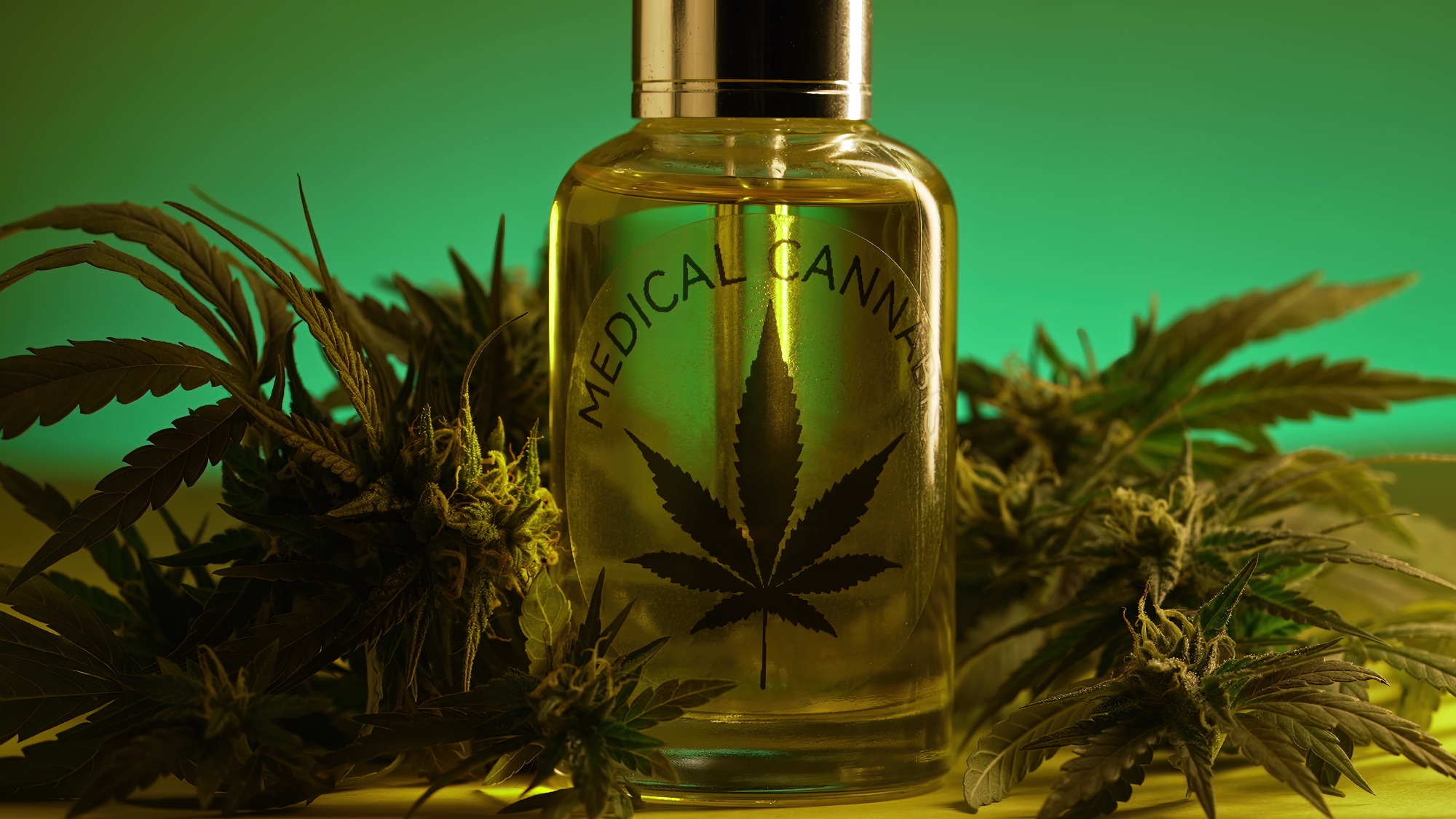
Cannabis tinctures are cannabis extracts in liquid form, generally with an alcohol or oil base. Tinctures are how people take cannabinoids in micro-doses of drops that can be dropped under the tongue or in foods and beverages. Tinctures operate by allowing cannabinoids like THC or CBD to enter the bloodstream rapidly, usually through sublingual tissue. This means that users experience effects quicker than with edibles, but not as rapidly as smoking. Tinctures are delivered in small bottles with droppers, so it’s easy to regulate your dose. That’s why many select tinctures for consistent dosing, minimal odor, and convenience. The following section will provide deeper insight on how tinctures stack up against some other cannabis products.
Key Takeaways
- Cannabis tinctures are potent, liquid forms of THC, CBD, and other cannabinoids that provide a convenient way to consume cannabis with customizable doses and delivery methods.
- Extraction methods, ingredient purity, and cannabinoid composition all impact the potency, safety, and medicinal value of tinctures. It’s important to choose tinctures from trusted manufacturers.
- Sublingual administration allows for quick absorption and high bioavailability, which means that effects come on faster than with edibles yet offers a smokeless alternative to inhalation.
- While it’s definitely possible to do precise dosing with tinctures, start low and go slow. Keep a dosing journal to track your personal reactions and stay out of trouble.
- Knowing how cannabinoids interact with the endocannabinoid system can help users decide if they are a good candidate for the potential therapeutic benefits of tinctures and how to best use them.
- With the right storage in dark, cool conditions and attention to expiration dates, tinctures remain potent and safe. Combined with debunking myths, tinctures can be appreciated for their modern relevance and versatility by our global audience.
What Are Cannabis Tinctures?
Cannabis tinctures are liquid extracts of the cannabis plant, intended to preserve and administer the plant’s active compounds, primarily cannabinoids and terpenes, without smoking or vaporizing. These potent liquids capture essence such as THC and CBD, providing a subtle and adaptable manner of cannabis consumption. Tinctures meet a variety of preferences and needs, as they can be taken sublingually, mixed into foods or beverages, or even used topically.
The Core Concept
Cannabis tinctures focus on effective delivery of cannabinoids like THC and CBD to the body. Alcohol or glycerin is the solvent that pulls out the plant’s healing compounds while retaining their potency. With tinctures, dosage is simple, typically measured by the drop, allowing consumers to adjust their intake to target specific effects or relief. Tinctures can be personalized for recreational purposes or to address specific ailments like sleep, pain, anxiety,or stress.
Key Ingredients
The foundation ingredients are cannabis flowers and a solvent, either ethanol or vegetable glycerin. Using quality cannabis flowers is important because the cannabinoid profile and overall potency are based on the starting material. Some tinctures incorporate natural or artificial flavoring to make the product more palatable since the raw product can be bitter. Carrier oils, such as medium-chain triglyceride (MCT) oil, are incorporated into some formulas for improved absorption.
Cannabinoid Profiles
Tinctures could be rich in one cannabinoid, for example, CBD, or blend THC, CBD and even CBG for wider effects. Full-spectrum tinctures utilize the entire plant, capturing minor cannabinoids and terpenes for an “entourage effect.” These profiles matter. CBD-dominant tinctures might assist with anxiety or inflammation, while balanced ratios can provide pain relief or relaxation. Knowing the cannabinoid mix guides consumers in selecting the appropriate tincture.
The Extraction Process
It starts by soaking dried cannabis buds in the solvent of your choice for a minimum of two weeks. The quality of the flower translates directly to final potency and purity. While some producers opt to CO2 extract for their higher-end tinctures, alcohol extraction is still widespread. Once you’ve filtered out all the plant matter, you bottle the liquid and you’re set.
Historical Context
Cannabis tinctures have a history in herbal medicine. These extracts were a mainstay in global pharmacies prior to the 20th century cannabis prohibition. The likes of Sir William Brooke O’Shaughnessy aided in bringing tinctures to Western medicine. Through the years, legal and social changes have influenced their consumption and composition.
How Tinctures Work
About how tinctures work. Tinctures of cannabis are liquid extracts meant to introduce cannabinoids quickly into the body. They are typically either single-cannabinoid-dominant, like CBD, or formulated with blends for specific effects. How tinctures work depends on how they’re taken, with bioavailability and speed both differing based on the method. The primary lure of tinctures is their versatility, allowing consumers to customize dosage, timing, and a combination that fits them. Knowing how these factors work is crucial for those who seek dependable, consistent effects without the catch of other cannabis delivery methods.
Sublingual Absorption
By dropping a tincture under the tongue and holding for 30 to 60 seconds, cannabinoids bypass this step and move straight into the bloodstream. This route bypasses the gut and liver, accelerating onset and increasing the level of active compounds the body utilizes. The effects are typically felt within 15 to 45 minutes and can last up to 4 to 6 hours. Hence, tinctures are valuable for individuals in need of quick relief.
This rapid onset is because of the thin mucous membranes under the tongue which assist cannabinoids in entering the body rapidly. Your personal metabolism, saliva production, and even the length of time you hold the tincture can all influence how much gets absorbed and how quickly you feel it.
It’s worth noting that some people might find that their individual absorption rate fluctuates even at a given dose. That’s why beginning slow with just a drop or a standard 2.5 to 5 mg THC dose is so commonly recommended.
Bypassing Digestion
When swallowed, its active compounds need to be metabolized by the liver and digestive system. This process not only delays onset; effects may take up to 1 to 2 hours to appear but can lower bioavailability as well. Your liver metabolizes some of the cannabinoids before they get to circulation, so the effects aren’t quite as strong as with sublingual use.
Sublingual dosing bypasses this “first-pass” metabolism, allowing for higher and more consistent cannabinoid levels in the bloodstream. If you require fast or steady dosing for relief, like for pain or anxiety, sublingual is usually preferable. Choosing your method matters, as it determines not only the speed but the intensity of your effects.
The Endocannabinoid System
- Cannabinoids from tinctures attach themselves to CB1 and CB2 receptors located throughout the body.
- These interactions can aid in controlling pain, mood, sleep, and immune response.
- Tinctures support the endocannabinoid system and help combat stress, inflammation, and pain.
- Once you know how this system works, consumers can make more informed product and dosing decisions.
This is where the endocannabinoid system comes into play with how tinctures work. The cannabinoids, be it one dominant cannabinoid or a blend, interact with the body’s natural receptors to encourage homeostasis. This immediate support is why so many folks reach for tinctures in daily wellness rituals for concerns such as sleep or anxiety.
Understanding THC Tincture Effects
THC tinctures have a different profile of effects than other cannabis products, owing to their unique delivery method and formulation. Unlike smoked or vaporized cannabis, tinctures administer compounds through the mucous membranes when placed under the tongue, resulting in fast absorption and a distinctive ratio of psychoactive to medicinal effects. Potency and the cannabinoid blend, like THC versus CBD, are central to the experience. High-THC tinctures, for instance, are typically utilized for pain, appetite, or sleep, whereas high-CBD tinctures are favored for inflammation, anxiety, or daytime consumption. Depending on your dose and personal physiology, the effects can range from euphoric and relaxing to highly specific symptom relief. Personal tolerance is the biggest factor. What’s mild to one user may be overpowering to the next, making sensible dosing and a slow adjustment key.
Onset Time
THC tinctures consumed under the tongue typically take effect within 15 to 45 minutes. That’s way faster than edibles, which can take up to two hours since the cannabinoids have to pass through the digestive tract and liver, known as the first-pass effect. When swallowed, tinctures have a delayed onset and diminished absorption of THC into the bloodstream. While smoking or vaping weed provides nearly instant impact, tinctures deliver a happy medium between fast acting and long lasting. How quickly you feel the effects depends on a number of factors including your metabolism, whether your stomach is full, and the dose taken. It’s a lesson in patience. If you dose again before the effects hit, you’re more likely to overshoot.
Effect Duration
The effects from a sublingual THC tincture tend to last four to six hours. When mixed into foods or drinks, the effects last six to eight hours because it is absorbed more slowly in the gut. How you consume makes a big difference in duration. Sublingual is shorter but more predictable. Eating tinctures stretches it out. This extended window is particularly great if you are trying to manage chronic pain or sleep problems. By grasping the duration of THC tincture effects, consumers can more effectively schedule their consumption to maximize benefits and minimize risks.
The Experience
THC tinctures, by and large, cause people to feel relaxed, experience pain relief and occasionally become euphoric. Some become drowsy, others hungry, or experience an uplift. The result is not the same for everyone. It varies with dose, cannabinoid composition, and past cannabis usage. Microdosing is a clever method for newbies or patients with sensitivities to discover what works without heavy highs. With responsible consumption, discovering your own limits and monitoring effects over a few days makes it easier to customize the experience.
Dosing and Administration
Dosing and administration – Regardless of whether you are using cannabis tinctures medicinally or recreationally, proper dosing and careful administration go a long way. Everyone’s reaction is different, based on body weight, metabolism, frequency of use, and desired effect. A cautious approach minimizes the risk of side effects and facilitates personalization. A dosing journal is your friend—log your dose, time of day, method of administration, and physical/mental feedback. It allows you to track trends, avoid rebound, and enables slow, educated titration. Dosing and administration consistency and precision are particularly useful for those dealing with chronic symptoms or looking for predictable experiences. Tinctures are prized for their simplicity in dosing and dependable delivery—measuring with a dropper is precise and consistent.
Checklist for Proper Dosing and Administration:
- Use a calibrated dropper for accurate measurement.
- Begin with the lowest recommended dose.
- Wait for the effects before considering a dose increase.
- Log each dose, time, and outcome in a journal.
- Store tinctures in a cool, dark place.
- Adjust doses slowly and only after assessing prior effects.
Start Low
Begin with a low dose, typically 2.5 mg THC tinctures and 5 mg for CBD. This cautious approach is crucial for first-timers or anyone with a low tolerance because the effects can be intense and endure a few hours. For most, microdosing, say, 1 mg THC, is sufficient to test the waters.
Dose increases should be gradual, with at least a day between adjustments. Doses can trigger unwanted effects, like anxiety or lethargy, so slow is optimal. Care is crucial when experimenting, as everyone is different.
Go Slow
Dosing and administration Sublingual effects can manifest within 15 to 45 minutes, with an impact duration of up to 6 hours. Swallowing tinctures results in a delayed onset of 1 to 2 hours, with effects lingering up to 8 hours. You need to wait for effects to peak before adjusting your dose. This is key in preventing excess.
Going too hard too fast usually just causes discomfort or other side effects. These incremental steps will assist consumers in hitting a sweet spot that aligns with their objectives, whether it is symptom relief or light recreational fun. The slow path encourages a safer, more pleasurable experience.
Proper Technique
Proper application is important. Place the dose under the tongue and hold for 30 to 60 seconds before swallowing. This sublingual approach allows cannabinoids to enter the bloodstream rapidly, providing quicker, more reliable effects than simply swallowing.
A dropper means every dose is consistent, which means you’re building trust in the process. Consistency in how you dose your tinctures results in more predictable effects, allowing you to dial things in more easily. Store tinctures in a cool, dark environment to preserve their strength and longevity.
Tinctures vs. Other Methods
Cannabis tinctures differentiate from other delivery methods by combining fast acting, flexible dosing and discreet use. It allows users to accurately measure out doses, which is particularly crucial for symptom management or those who want to avoid overconsumption. Tinctures attract medical and recreational users alike who appreciate the privacy that comes with nearly odorless, smoke- and vapor-free consumption. This minimizes second-hand smoke exposure and can be utilized in communal spaces discreetly.
The table below compares tinctures to other popular consumption methods in terms of onset, effect duration, and special advantages.
Method | Onset Time | Duration | Key Advantages |
Tinctures | 15–45 min | 4–8 hours | Precise dosing, discreet, low calorie |
Edibles | 30–120 min | 8–12 hours | Long-lasting, potent |
Inhalation | 1–5 min | 2–4 hours | Fast onset, immediate relief |
Compared to Edibles
Tinctures | Edibles | |
Bioavailability | Higher (bypasses digestion) | Lower (processed by liver) |
Potency | Predictable, stable | Can be stronger due to 11-hydroxy-THC |
Convenience | Simple, quick dosing | Requires preparation, portioning |
Calories | <5 per dose | 50–200+ per serving |
Tinctures are faster acting than edibles, with effects appearing within 15 to 30 minutes. Edibles frequently must be broken down by the body and processed in the liver with THC, which means that effects are delayed, sometimes by as much as two hours. This may lead consumers to consume beyond their required dosage, potentially leading to overconsumption. Tinctures provide greater bioavailability since cannabinoids enter directly into the bloodstream when applied beneath the tongue.
Potency differs between the two. Edibles give a more potent, longer-lasting effect because the liver converts THC to a more potent compound, 11-hydroxy-THC. Tinctures offer a more consistent, controlled dose, which many people find easier to manage, particularly during the day.
Tinctures are much lower in calories than edibles, so they’re better for people watching their waistlines or with special diets. For quick relief, tinctures are far easier and quicker to administer. It’s really a matter of personal preference—do you prefer a longer, stronger effect or would you rather have something that kicks in quickly and provides pound-for-pound control?
Compared to Inhalation
Inhalation has the fastest onset, typically a matter of minutes. This attracts visitors who want quick relief from acute symptoms. Tinctures are a little slower. Onset begins around 15 to 45 minutes, but is still faster than edibles.
Time is an element. The high from smoking or vaping sticks around for roughly 2 to 4 hours, whereas tinctures can extend anywhere from 4 to 8 hours. This extended window benefits individuals seeking continuous symptom relief without constantly having to redose.
Smoking and vaping are not without health concerns, including possible lung irritation or long-term respiratory risks. Tinctures sidestep these problems, providing cannabinoids without burning or inhaled residues.
Tinctures vs. Other methods. They’re convenient to carry, dose, and use in places where smoking or vaping isn’t possible or desirable.
Beyond the Basics
Cannabis tinctures are a clean, flexible method of ingesting cannabinoids, beloved for their discreet dosing and manageable highs. For the pros out there, seasoned users want more than the basics. They balance product quality, proper storage, and myths to get the most out of their harvest.
Product Quality
It matters where a tincture comes from. Products from reputable dispensaries or licensed producers tend to have more reliable cannabinoid content and remain uncontaminated. Ingredient quality, from solvent type to carrier oils, determines how potent and safe the tincture will be. For instance, while some tinctures utilize organic MCT oil, others utilize ethanol, both of which can impact taste, absorption, and the overall experience. Third-party testing is critical. It verifies cannabinoid potency and screens for contaminants such as pesticides or residual solvents. Always seek out clear labeling that details the cannabinoid ratio, whether that’s THC, CBD, or even some of the rarer ones like THCA and CBDA. This not only helps customize the experience but promotes responsible dosing, particularly as strength can differ significantly from one product to another.
Proper Storage
- To be stored in a cool, dry place, away from sunlight and heat.
- Put them in dark glass bottles to protect them from light, which can degrade cannabinoids.
- Keep lids tightly sealed to prevent evaporation and contamination.
- Check expiration dates and always dump tinctures beyond their expiration date.
Light and heat speed up the degradation of cannabinoids. Dark bottles are supreme at keeping the strength intact, whether it’s a CBD isolate or full-spectrum tincture. Check it periodically for cloudiness or funny smells, which could indicate spoilage.
Common Myths
Tinctures seem old-school or somehow less potent than vaping or edibles. Tinctures have unique benefits like quick sublingual absorption. You can feel effects within 10 to 15 minutes and they last longer than most edibles. While some assume tinctures are inevitably psychoactive, leaving the cannabis raw preserves THCA and CBDA, offering non-intoxicating benefits. Different tinctures exist. A CBD isolate tincture is far different than a broad-spectrum blend. Custom cannabinoid profiles allow consumers to choose sleep, focus, or relaxation products. Tinctures adapt to both new and experienced users. Start with a low dose, as little as 2.5 mg THC, and adjust with a dropper for accuracy.
Conclusion
Cannabis tinctures offer a potent method to consume cannabis with obvious, straightforward directions. You either drop the liquid under your tongue or add it to food. Your body absorbs it quickly. You select your dose and adjust it every time you use it. That helps many find what works for them. Tinctures cover a lot of bases from pain to sleep. They’re great for individuals seeking consistent, convenient effects. Need more tincture facts or assistance selecting the right one? Peek at new posts on the blog or participate in discussions in the comments. Find out and add your own tips. The cannabis universe keeps expanding and so can your learning.
Frequently Asked Questions
What are cannabis tinctures?
Cannabis tinctures are liquid extracts created by infusing cannabis in alcohol or oil. This process enables easy dosing and rapid absorption of cannabinoids such as THC or CBD.
How do cannabis tinctures work in the body?
Tinctures are typically administered sublingually. This enables cannabinoids to enter the bloodstream rapidly, resulting in swifter effects than consuming cannabis.
What are the effects of THC tinctures?
THC tinctures produce effects including relaxation, euphoria, and increased appetite. The potency and nature of the effect depend on the dose and the individual.
How should I dose cannabis tinctures?
Begin with a small dosage—typically a few drops. Be sure to wait at least an hour before increasing. This helps prevent you from overmedicating and lets you discover your ideal dose.
Are tinctures safer than smoking cannabis?
Tinctures don’t involve inhaling smoke and that can be better for your lungs. They provide a fast-acting delivery method and enable you to microdose for a safer high.
How long do the effects of tinctures last?
Tincture effects can last between 4 and 8 hours, depending on the dose and your metabolism.
Can I use cannabis tinctures in food or drinks?
Yes, you can mix tinctures into your meal or beverage. Effects can take longer to manifest when swallowed, as the cannabinoids must pass through the digestive system.
Experience The Power And Precision Of Cannabis Tinctures At Woodland Cannabis Dispensary
\Want a cleaner, more controlled way to enjoy cannabis? At Woodland Cannabis Dispensary, our premium cannabis tinctures give you exactly that, fast-acting, easy-to-dose, and completely smoke-free. Just a few drops under the tongue or mixed into your favorite drink, and you’re on your way to a smooth, predictable experience.
Whether you’re winding down after a long day, improving sleep, easing discomfort, or staying balanced throughout your routine, tinctures make it simple to dial in the results you want. Choose from THC, CBD, or perfectly balanced blends, all crafted for consistency and backed by third-party lab testing so you can trust every drop.
Not sure what fits your goals? That’s where we come in. Our team takes the time to understand what you’re looking for and helps you find the right tincture and dosage without the confusion.
Stop by our Woodland location or browse our online menu for quick, convenient pickup. At Woodland Cannabis Dispensary, finding your ideal cannabis experience is straightforward, reliable, and tailored to you.
Disclaimer
The materials available on this website are for informational and educational purposes only and are not intended to provide medical or professional advice. You should consult with a qualified healthcare provider for advice concerning any particular medical issue or condition. Do not act or refrain from acting based on any content included on this site without seeking appropriate medical or other professional advice. The information presented on this website may not reflect the most current medical developments or practices. No action should be taken in reliance on the information on this website. We disclaim all liability for actions taken or not taken based on any or all of the contents of this site to the fullest extent permitted by law.
