
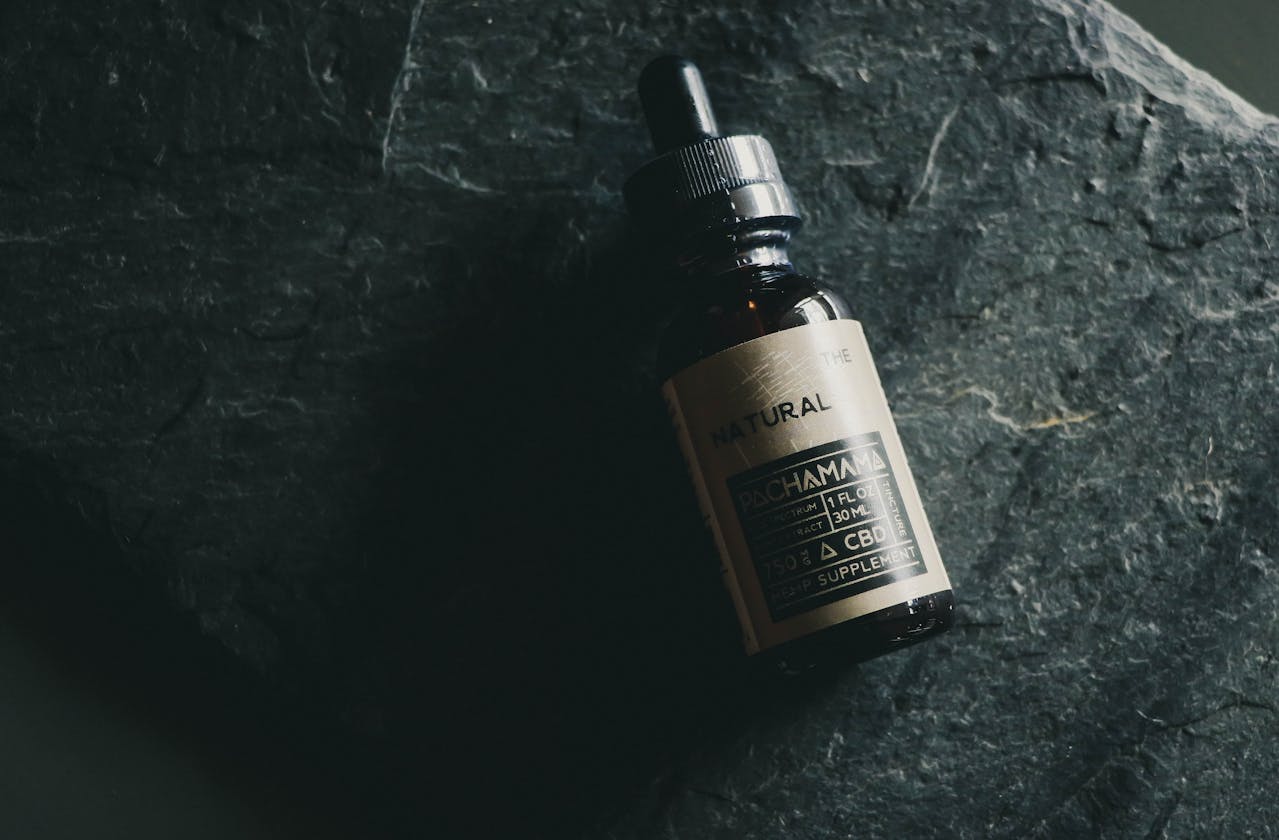
To use tinctures in food and drinks means to add small drops of a liquid extract, often from plants or herbs, into dishes or beverages for flavor or health reasons. A lot of individuals enjoy incorporating tinctures into sauces, teas, smoothies or baked goods as the flavor infuses nicely and remains tame. Some use the tinctures for wellness, as herbal extracts can provide benefits without altering the texture of food or drink. Most tinctures come with droppers, which ease portion control. For starters, low and noting any flavor change is best. Following, find easy tricks and stepwise methods of how to incorporate tinctures safely and effectively into everyday dishes or beverages.
Key Takeaways
- With knowledge of each tincture’s base, whether it is alcohol, glycerin, or oil, you can choose the most effective one for extraction and for food and drinks.
- Mastering dosage means you should always start with a low dose, record your experiences in a journal, and ease into your desired effects while keeping things safe and consistent.
- These super versatile tinctures can be used to flavor everything from drinks and sauces to baked goods, dressings, and finishing touches with the added health benefits.
- Tincture potency can be calculated with careful measurements and dosage charts to avoid accidental overdose of recipe ingredients and to provide consistent results.
- Good flavor pairing between your tinctures and ingredients can take the culinary experience to new heights. Playing around with combinations can yield novel dishes appealing to a wide variety of palates.
- By steering clear of pitfalls like overdosing, bad storage, or overpowering flavors, you protect the flavor and safety of your recipes. This makes tincture both delicious and dependable!
Understanding Tincture Bases
Tincture bases, for those who don’t know, are essentially concentrated infusions created by soaking herbs, spices, fruits, flowers, or even vegetables in a base of your choice. The base is key, as it flavors and determines the strength and ideal application of the tincture in your dishes or beverages. There are three main bases: alcohol, glycerin, and oil. Each has its own benefits and caveats.
- Alcohol bases are great at extracting both actives and flavors, so they tend to be excellent for extracting things like cannabinoids and plant actives. They provide a long shelf life and increased potency.
- Glycerin bases attract those wanting a sweet, non-alcoholic option. The extraction is less potent and slow.
- Oil bases, like coconut or olive oil, make it easy to stir into savory or sweet recipes and can add nutritional value.
Alcohol
High-proof grain alcohol is the tincture base gold standard. It acts quickly, extracting cannabinoids and other plant compounds into solution. Vodka (50% ABV and higher), neutral spirits, or even brandy, rum, and bourbon are all popular options. Alcohol tinctures are potent, so they require careful attention to dosing. They’re great in culinary or medicinal recipes, either to add flavor or provide medicinal punch. Alcohol tinctures are kept in dark glass bottles to shield them from light and retain their potency for years. For fresh herbs, fill the jar two-thirds or three-fourths full, then top up with alcohol and let sit a few hours to days for full extraction. Dried materials will expand, so fill one-half to three-fourths of the jar.
Glycerin
Vegetable glycerin yields a sweet, non-alcohol tincture ideal for spirit-avers. It’s perfect for your drink additives, where a softer flavor is desired. Glycerin tinctures absorb more slowly. I always make sure to label all my glycerin tinctures; otherwise, dosing can get confusing. Steeping takes longer, and the results are less intense than alcohol tinctures. They are accessible for many dietary requirements.
Oil
Tincture bases – carrier oils like coconut or olive oil make tinctures easily incorporated into food. Herbs steeped in oil add flavor and wellness. Oil tinctures can be added to salad dressings, dips, or drizzled onto cooked vegetables. They ought to be kept in a cool, dark place to maintain their potency. Oil-based tinctures can become rancid if not handled properly, so making smaller batches and storing them correctly is essential.
Mastering Your Dosage
Getting tincture dosages in edibles just right is a process that requires foresight, self-knowledge, and diligence. Potency, personal tolerance, and consumption methods all influence how tinctures impact you. Getting your dosage right guarantees safety and the optimal experience, particularly since tincture effects can linger anywhere from four to eight hours based on consumption method.
Calculate Potency
Understanding the potency of your tincture allows you to employ it with exactitude. Potency varies by strain, extraction process, and concentration indicated on your product.
To calculate a single dose, multiply the tincture’s strength (mg/ml) by the volume you plan to use. For instance, if your tincture is 30 mg/ml and you want a 5 mg dose, use 0.17 ml.
Tincture Strength (mg/ml) | Desired Dose (mg) | Volume to Use (ml) |
10 | 5 | 0.5 |
| 30 | 5 | 0.17 |
| 20 | 10 | 0.5 |
Potency can vary if you change tinctures or manufacturers, so you need to recalculate.
Track Effects
Master your dosage. Keep up with your experience in a dosing journal to ensure you get what works best for you as your tolerance evolves.
- Record the date, time, dosage, and administration method
- Notice how long it took for effects to begin and wear off.
- Write down desired and unwanted effects
- List any food, drink, or medication taken alongside
- Adjust future doses based on patterns you observe
If you’re comfortable, share your results with others. Your contribution can assist the broader community and foster safer, more efficient tincture usage.
How to Use Tinctures
Tinctures are extracts in liquid form that can blend directly into meals, snacks, or beverages and are a breeze to use for both beginners and veterans. They allow you to infuse flavor, nutrients, or medicinal compounds with minimal effort and next to no additional prep. Here are some real-world examples for daily use:
- Simply add a few drops to your morning coffee, tea, or juice!
- Mix into salad dressings or vinaigrettes for added wellness.
- Drop into soup or sauce for a subtle herbal touch.
- Blend into a smoothie for an extra health boost.
- Stir into yogurt, oatmeal, or porridge.
- Use in baked goods or dessert toppings.
In Beverages
Smoothies receive a boost from tinctures, imparting nutrients and flavor without altering the texture. Simply add a drop or two per serving and stir adequately. Tinctures make cocktails more interesting, whether it be an herbal or citrus tincture giving a common drink a fresh twist. Teas gain as well, particularly herbal teas, as tinctures can intensify flavor and impart effects. Juices combined with tinctures provide an easy means of obtaining a dose of active compounds.
Use a syringe or pipette for precision, and be conservative with your dose. Two point five to five milligrams of THC or CBD is a good place to start. Remember, when combined in drinks, it can take forty-five to sixty minutes for effects to manifest.
In Sauces
Nothing deepens a sauce like a tincture. You can stir tinctures into tomato sauce, curry, or even creamy gravies for a new layer of taste. Experiment with various tinctures and pair them with different cuisines. Imagine basil tincture for Italian dishes or chili for Mexican style sauces. Marinades benefit too. Add a few drops to the mix before soaking meats or vegetables and you get a subtle herbal flavor as they cook. Always counterbalance the taste by starting small. You can put more in, you can’t take it out. Keep the heat below 200°C (392°F) to preserve the active ingredients.
In Baked Goods
Tincture baking requires some care. Mix tinctures right into your brownie or cookie dough, but be sure to keep the oven under 200°C or you will lose some of the potency. Experiment with flavor combinations, such as vanilla tincture in cakes or citrus in muffins.
Frostings and glazes are great, particularly if you add tinctures post-baking, as there’s less heat. I’d suggest trying it with small batches first, so you can judge how the flavor and impact varies.
In Dressings
Tinctures can spruce up your salad dressings. Stir in olive oil and vinegar and give it a good shake. Experiment with adding fresh herbs to enhance the flavor of your tincture.
Keep in the fridge and consume within a week. Begin with a low dose and taste as you go. Balance is everything.
As a Finisher
Drizzle tinctures onto cooked meals, such as soups or roasted vegetables. Use no more than a drop or two because you don’t want to overpower the meal!
Pair flavors that match—mint tincture fruit salad, garlic tincture roast potatoes. If taken with food, effects last longer, up to 8 hours!

The Art of Flavor Pairing
Flavor pairing is about combining things so the taste complements, not just adding more flavors. The key with tinctures in food or beverages is simply to understand how the flavor of the tincture complements whatever you incorporate it with. For instance, fruity tinctures such as raspberry or orange can complement desserts or even impart a zesty note to cocktails. Certain tinctures, such as rosemary or thyme, naturally complement savory dishes like a rich Alfredo or a zesty tomato sauce. The trick is to pair the herbal flavor with the entrée or beverage so the synergy tastes natural, not contrived.
Experimenting with different combinations is the best part of it and the way you acquire the skill. Once in a while, combining things that seem disparate, say a spicy tincture with sweet syrup, can bring a dish to life. Black pepper tincture in a lemon cocktail is one way to witness this dynamic in action. Or use lavender or cardamom tinctures in syrups to add a subtle floral note to simple cocktails or breakfast fare. More often than not, you have to experiment because not everything pairs and some surprise you. For initial trials, citrus peel or black pepper tinctures are good as their taste manifests quickly and clearly.
It assists to consider how tinctures are prepared and what composes them. If you use high-proof alcohol—at least 40% ABV, but 95% pulls harder—you get more flavor from your herb or spice. When you let things steep is important too. Certain flavors emerge in 1 to 4 hours, but more profound notes might require 3 to 14 days. If you’re using heat, maintain the bath at 50–60°C so you don’t break down the compounds that make the tincture delicious.
Popular tincture and food pairings include:
- Basil tincture with tomato salad
- Orange tincture in dark chocolate desserts
- Lavender tincture in lemon cake or tea
- Thyme tincture in roasted vegetables
- Cardamom tincture in coffee drinks
- Black pepper tincture in citrus cocktails
Common Culinary Mistakes
Cooking with tinctures requires some precaution and a well-defined sense of boundaries. One of the most frequent flubs is over-pouring tincture, anticipating a more potent flavor or oomph. This can dominate a dish and conceal important notes, be it in salad dressings, sauces, or cocktails. We recommend dosing sparingly, around 1 to 2.5 mg THC per serving, because exceeding this can result in a bitter taste or nausea. Mindless swaps in ratios can disrupt the equilibrium of a dish, damaging both its flavor and culinary chemistry.
Heat is a HUGE factor in how tinctures function in recipes. High heat, above 175°C (350°F), can burn off tinctures and important compounds such as THC. This means if you mix tinctures early while baking or simmering, you risk evaporating the effects you desire. To maintain potency, introduce tinctures at the end of cooking or right before serving. For instance, you can stir tinctures into frosting once the cake cools or combine them into a cocktail moments before serving. Storing tinctures correctly is equally important. Store them in a cool, dark place and refrigerate for extended storage. This delays the degradation of active compounds and preserves flavors.
Dosing is yet another place where many stumble. Taking too much tincture at once can make for a harsh, sometimes uncomfortable experience. Tinctures require somewhere around 15 to 45 minutes to begin working, or two hours if swallowed, so you need to exercise patience before dosing again. Others hold tincture under the tongue, but swallowing too soon or not waiting at least 60 seconds reduces its impact. If you’re going with alcohol tinctures, they need to be consumed in a non-burning manner or they will burn or leave you with an oily film, and that’s no fun.
Tinctures ought to be tasted by degrees. Begin with less, taste and experience the effects before adding more. This slow approach allows you to discover how the tinctures react to various meals, so you achieve the perfect equilibrium with no danger.
Beyond the Recipe
Tinctures are more than a recipe. They fit into various aspects of lifestyle, providing versatility and precision that attracts fans seeking wellness and taste. It’s the ability to dose active ingredients that sets tinctures apart from other forms. Knowing the number of drops, measured by a pipette, provides you with a pure, objective method to monitor consumption. This is helpful when you want to control effects, particularly with stronger herbs or botanicals.
This is about using tinctures in your food and drinks and doesn’t have to be complicated. Sprinkle in a few drops for a kick in salad dressings, marinades, or even smoothies. They shine in baked goods, be it energy balls or cookies, and in savory sauces. Stir in tinctures at the end of cooking or immediately prior to serving to preserve their potency. Cooking at a high temperature above 200°C can destroy the active ingredients and reduce their efficacy. For this reason, don’t add tinctures early in recipes that require long or high-heat cooking.
Tinctures integrate into wellness regimens as well. Others take them for their potential soothing or stimulating quality or to aid sleep. They can be dropped under the tongue for rapid effect, experienced in approximately 15 to 30 minutes. When mixed with food or drink, they take more time, around 45 to 60 minutes, but the magic can linger longer, too. Tinctures are easy to store. A cool, dark location will maintain their potency for years, so they are easy to have on hand for routine use.
Begin at a low dose when introducing tinctures, particularly if you’re a new user. Wait at least 45 to 60 minutes before taking any more. This is crucial for safety and discovering the appropriate amount for you. Pass it on to friends and family. This disseminates expertise and can inspire new thinking.
Keep up to date on the latest tincture trends and applications in cuisine. The space is expanding with more and more individuals discovering tinctures as both a flavor and health journey. This keeps your strategy fresh and inspired.
Conclusion
Tinctures add a novel flair to cuisine! They blend in quickly, deliver powerful flavor, and allow you to remain in charge of the dosage. How about a mint tincture in a fruit salad for a sharp pop, or a few drops of ginger tincture in hot tea for a strong kick? Use single drops to control flavor. Forget outdated guidelines and discover your style. Simple steps keep you away from slips like bitter taste or wrong dose. Don’t be afraid to experiment with new blends in your next meal or beverage. Have a tincture tale or tip? Post your comments and assist someone else to get going.
Frequently Asked Questions
What are tinctures and how are they used in food and drinks?
Tinctures are concentrated herbal extracts in alcohol or glycerin. They’re simply convenient and easier to add to food or drinks for flavor or wellness. Just measure your dose and stir into recipes or drinks.
How do I determine the right tincture dosage for recipes?
Begin with a low dose, typically just a few drops. Increase gradually if necessary. Always check your tincture’s label for serving size. This aids in making sure that it’s safe and effects are manageable.
Can tinctures affect the taste of my food or drinks?
Yes, tinctures can be quite strong. Pick flavors that play well with your recipe. Start experimenting with little doses first so you don’t overwhelm the dish.
Are tinctures safe to cook with high heat?
Hot beverages or dishes can weaken tinctures. Whenever possible, add tinctures after cooking or to cold recipes. This saves their potency and taste.
What foods and drinks work best with tinctures?
Tinctures mix easily into smoothies, teas, salad dressings, sauces, and even baked goods. Use foods that complement or cover the tincture’s intrinsic flavor.
What common mistakes should I avoid when using tinctures in cooking?
Don’t use too much tincture or heat it too long. Just measure carefully and start small. This guarantees safe, balanced, and fun outcomes.
Can tinctures be used in non-alcoholic recipes?
Yep, lots of tinctures are glycerin-based rather than alcohol-based. These lend themselves well to non-alcoholic recipes and alcohol-avoiders. Always check the label for the base ingredient.
Experience The Power And Precision Of Cannabis Tinctures At Woodland Cannabis Dispensary
\Want a cleaner, more controlled way to enjoy cannabis? At Woodland Cannabis Dispensary, our premium cannabis tinctures give you exactly that, fast-acting, easy-to-dose, and completely smoke-free. Just a few drops under the tongue or mixed into your favorite drink, and you’re on your way to a smooth, predictable experience.
Whether you’re winding down after a long day, improving sleep, easing discomfort, or staying balanced throughout your routine, tinctures make it simple to dial in the results you want. Choose from THC, CBD, or perfectly balanced blends, all crafted for consistency and backed by third-party lab testing so you can trust every drop.
Not sure what fits your goals? That’s where we come in. Our team takes the time to understand what you’re looking for and helps you find the right tincture and dosage without the confusion.
Stop by our Woodland location or browse our online menu for quick, convenient pickup. At Woodland Cannabis Dispensary, finding your ideal cannabis experience is straightforward, reliable, and tailored to you.
Disclaimer
The materials available on this website are for informational and educational purposes only and are not intended to provide medical or professional advice. You should consult with a qualified healthcare provider for advice concerning any particular medical issue or condition. Do not act or refrain from acting based on any content included on this site without seeking appropriate medical or other professional advice. The information presented on this website may not reflect the most current medical developments or practices. No action should be taken in reliance on the information on this website. We disclaim all liability for actions taken or not taken based on any or all of the contents of this site to the fullest extent permitted by law.
