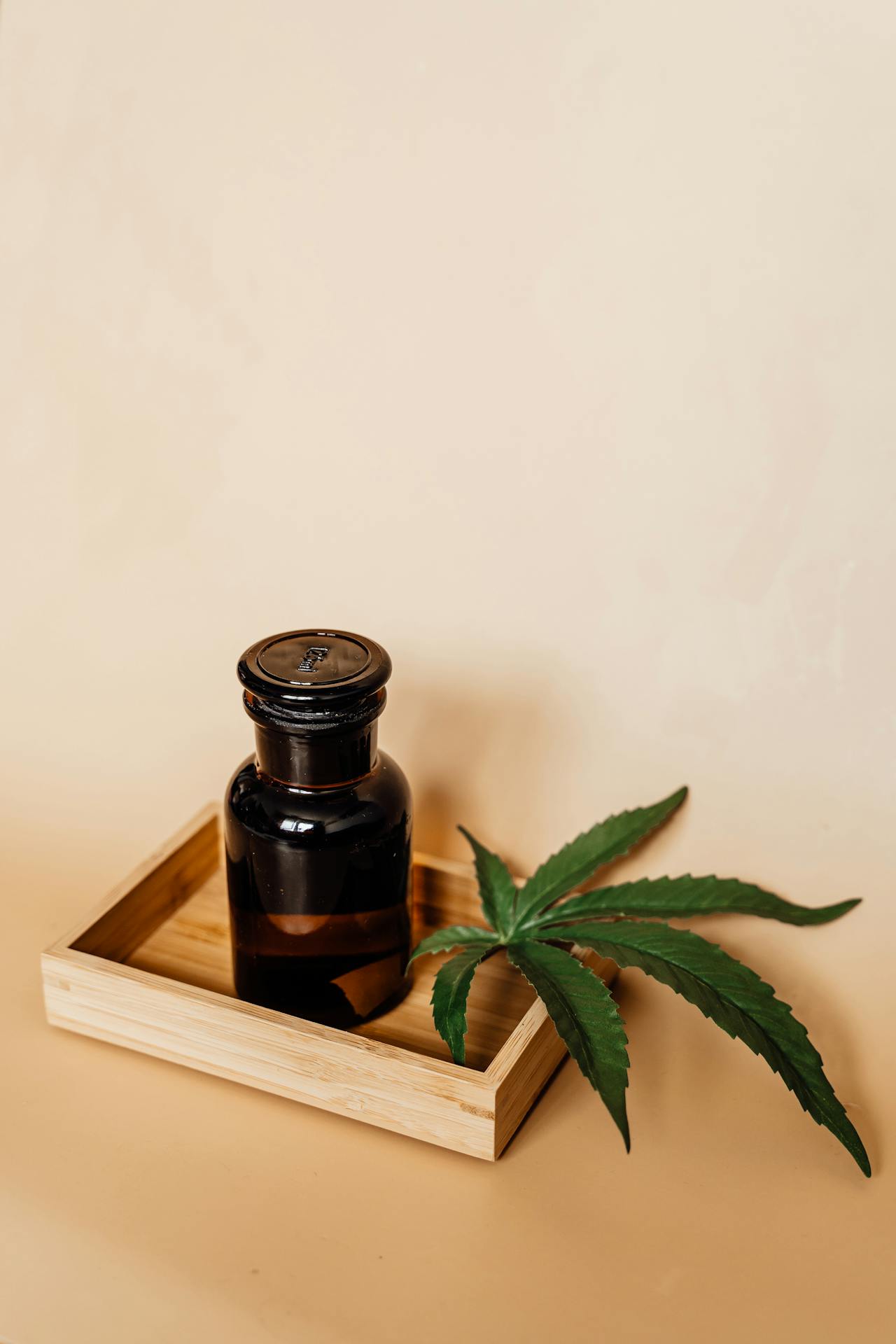
Full spectrum tinctures utilize all parts of the hemp plant whereas isolated tinctures contain only pure CBD. Each type operates a bit differently and has distinct characteristics. Full spectrum tinctures might include additional plant components like terpenes and other cannabinoids, frequently chosen by individuals seeking a whole-plant solution. Isolate tinctures remove everything except CBD, so there is no THC or other plant matter. Both types must adhere to rigorous testing standards and provide transparent labeling on their contents. Some choose full spectrum for a broader blend of plant components, while others prefer to isolate for zero THC. Knowing these facts can assist with obtaining the right tincture for your needs. The following sections explain these options in greater detail.
Key Takeaways
- Full spectrum tinctures contain a diverse range of cannabinoids and terpenes from the entire hemp plant, potentially offering enhanced wellness benefits through the entourage effect. Isolates provide only pure CBD, appealing to those with THC sensitivity or specific therapeutic goals.
- While the chemical profile and trace THC in full spectrum products can provide broader therapeutic effects and richer flavor, they are not fit for consumers who undergo frequent drug testing or have a low THC tolerance.
- What’s important to know is how the hemp is extracted and how the tincture is produced because clean and transparent processes result in a quality, safe, and effective product, no matter the type of tincture.
- Ultimately, your personal health goals, lifestyle, and cannabinoid sensitivity should dictate tincture choice. Consumers are advised to start with lower doses and gradually increase for best results.
- Examining labels and third-party lab reports is crucial for verifying cannabinoid levels, purity, and contaminants. This leads to safer and better buying.
- Depending on location, THC content and the legality of CBD differ throughout the world. It’s important consumers remain informed of laws in their area to ensure they comply and can access preferred products.
Defining Cannabis Oil Types
Cannabis oil products fall into three main groups: full-spectrum, broad-spectrum, and CBD isolate. Each has a different cannabinoid profile and supplies its own advantages. Full-spectrum oils use the entire hemp plant, harnessing a broad array of cannabinoids, terpenes, and even trace amounts of THC. Broad-spectrum oils are the same, but with THC removed. CBD isolate distinguishes itself as the purest form, containing over 99% CBD and no other plant substances. These distinctions impact user experience with each product and drive their decision to use them depending on efficacy, legality, and suitability.
The Whole Plant
Full-spectrum oil is sourced directly from the whole hemp plant, meaning it contains not only CBD but minor cannabinoids such as CBG, CBC, and trace amounts of THC, generally under 0.3%. Terpenes, the fragrant oils that are found in hemp, are present and purported to contribute to the oil’s effects. This chemical variation is significant. The entourage effect is the term used to refer to how all these compounds work together, potentially rendering the oil more effective than CBD in isolation.
Extracting the oil but conserving the plant’s original layout counts. Broad spectrum cannabis oil is typically processed with gentle extraction methods like CO2 or cold ethanol to keep the complete range of molecules intact. Any variation in the chemical blend can signify a difference in how the oil behaves.
A lot of users select full-spectrum CBD for its holistic characteristics. They pursue the potential lift in relief and wellness that comes from the entourage effect of cannabinoids and terpenes. A bit of science and loads of user anecdotes tell us this mix could assist with anxiety, pain, and sleep, though the precise effects might vary per individual.
The Single Molecule
CBD isolate is CBD with no THC, no other cannabinoids, and no terpenes. This is done by processing the hemp extract until only the CBD molecule remains, with a purity of over 99%. It leaves you with an odorless, flavorless powder or crystal, incorporated into tinctures or the like.
For those who want to avoid THC, maybe because of their job drug test or a hypersensitivity, isolate is an attractive option. There are no high and no legal issues from trace THC. Isolate enables users to measure precise doses of CBD, which is great for research or when a physician prescribes a specific dosage.
Isolates can lack the potential additional advantages of combining CBD with the other natural components of hemp. Most users find isolated effects to be milder than full-spectrum. For others, such as residents in high-regulation areas or folks with plant allergies, CBD isolate is the more secure, straightforward path.
Full Spectrum vs Isolate Tincture
Comparing full spectrum and isolated tincture, both popular in wellness regimens, they vary in chemical makeup, impact and experience. Knowing these differences is critical in helping you make educated decisions that align with individual wellness objectives.
Comparison Overview:
- Full spectrum tinctures contain CBD, minor cannabinoids, terpenes, flavonoids, and less than 0.3% THC. Isolate tinctures are typically made up of 90% or more CBD with very little else.
- Full spectrum tinctures can contain detectable THC, which may have legal or psychoactive implications. THC and other cannabinoids do not come with isolated tinctures.
- Full spectrum tinctures usually have richer, more complex flavors thanks to terpenes and flavonoids. Isolate tinctures are flavorless or mildly flavored.
- Full spectrum tinctures can activate the entourage effect, where several plant compounds co-mingle with the endocannabinoid system for increased potency. Isolates engage in a more direct but typically less potent manner.
Chemical Profile
Full spectrum tinctures emulate the natural hemp plant chemistry. They feature a blend of CBD, minor cannabinoids like CBG and CBC, and an array of terpenes. This profile is prized for its ability to promote various therapeutic benefits, with each component contributing its own effects. Terpenes contribute fragrance and can help influence the tincture’s effect.
Isolate tinctures are composed of only pure CBD, free from other compounds like cannabinoids and terpenes. This purity appeals to users who want to steer clear of THC completely or who prefer stable CBD dosing. The lack of secondary compounds could impede some of the wider wellness properties associated with the whole plant.
Some opt for the full spectrum for overall wellness. Others prefer isolates for specificity or THC-banning regulations.
The Entourage Effect
The entourage effect is the belief that cannabinoids and terpenes interact to amplify the advantages of hemp extracts. When together, these compounds can enhance the tincture’s effect on sleep, relaxation, or pain.
Research suggests that full plant extracts are more effective than isolates. For instance, full spectrum tinctures are popular for sleep support or chronic pain, where a variety of compounds could deliver a synergistic effect.
While those seeking maximum impact typically choose full spectrum or isolate tinctures, particularly when addressing intricate health requirements.
Production Process
Full spectrum tinctures are often extracted utilizing methods such as CO₂ or ethanol extraction to maintain the full array of plant compounds. Clean extraction is important to capture terpenes and minor cannabinoids while excluding contaminants. Isolate tinctures are further processed to eliminate everything except the CBD.
These impact cost and availability. Full spectrum tinctures tend to be more expensive because of the complexity, while isolates are much more common and, in some cases, cheaper.
User Experience
Because of its THC content, full spectrum tinctures may cause mild psychoactive effects in sensitive users, although the levels are less than 0.3%. Isolate tinctures do not have these effects.
Taste and smell vary significantly. Full spectrum tinctures come in flavors such as chocolate mint, strawberry lemonade, or cinnamon, while isolates are flavorless.
Your own tolerance is a factor. For some, they find they feel best with complex blends, while others want pure CBD for predictable results.
Intended Purpose
Full spectrum tinctures are popular for pain, stress, and sleep, utilizing the entourage effect of cannabinoids and terpenes. Isolate tinctures fit folks who want to avoid THC or require high CBD for specific objectives.
Selecting the appropriate tincture is contingent upon your specific health requirements, the legal framework in which you reside, and your taste preferences. Checking third-party lab results ensures that they are safe and accurate.
Which Tincture Suits You?
Ultimately, selecting between full-spectrum and isolated tinctures is about finding what works for you. Pairing the tincture’s characteristics with your body, your needs and your lifestyle is essential. Each tincture has its individual advantages, and understanding what you’re seeking will aid you in selecting it with assurance.
Key factors to weigh:
- How sensitive you are to THC or other hemp compounds.
- Your specific health or wellness goals
- The desired effects and dosing requirements
- Your daily routines, habits, and consumption preferences
- Any drug testing considerations at work or school
- If you want the pure CBD experience or the full plant effect
- Third-party lab tests for safety and accuracy are available to you.
Your Lifestyle
Those with hectic lifestyles or frequent travelers might choose CBD isolate tinctures. Isolate tinctures are nearly 100% CBD, typically 99.6%, and provide you the ability to measure your dosage with exactitude. This makes it easier to monitor precisely the amount of CBD you’re taking, which is beneficial if you need to remain sharp or maintain a clear head during the day. Isolates typically have no flavor, which some consumers prefer if they blend CBD into beverages or meals.
Full-spectrum tinctures might be a better fit for anyone who integrates wellness routines with relaxation, meditation, or sleep support. The mix of cannabinoids in full-spectrum products can create what is known as the ‘entourage effect,’ which some argue helps CBD work more efficiently for things like stress relief or sleep. If you’re no stranger to cannabis, the nuanced profile of full-spectrum tinctures may come more naturally.
Your Sensitivity
- Begin with small amounts, particularly if you’re new to CBD or are susceptible to THC.
- Isolate tinctures are perfect for those with THC or hemp sensitivities.
- Always check for potential allergens in tincture ingredients.
- If you’re subject to drug testing, keep in mind that full-spectrum could have residual THC.
Tip: Know your own cannabinoid reaction. Start with a pure CBD isolate if you don’t know how your body will react. Isolates are devoid of THC and other plant compounds, which reduces the risk of undesired side effects. Always keep an eye out for third-party lab tests to ensure purity and safety.
Your Goals
Your choice should be guided by health goals. For general wellness, stress, or chronic pain, a full-spectrum tincture could be more beneficial because of the entourage effect. They have a purpose for people with precise requirements, such as handling mild symptoms or seeking focused relief. Isolates might be more consistent.
Consider your long-term goals. If you appreciate holistic effects or use CBD for sleep, pain, or mood, full-spectrum may be worth experimenting with. If you have stringent dosing requirements or want to avoid even trace THC, stick to isolates.
What The Label Omits
Labels on tinctures often do not give the full story. Ingredient lists may look complete, but many brands skip details that really matter. This lack of transparency can make it tough to judge what you’re actually getting. Even when cannabinoid content is shown, the label may not mention minor cannabinoids like CBG, CBC, or CBN, which can change how the product works. The same goes for terpenes. These compounds shape the aroma, flavor, and possible benefits, but they rarely appear on packaging. It’s common for the label to leave out carrier oil types, potential allergens, and specifics about how the CBD is extracted. Without these details, it’s hard to know the real quality, purity, or even the “entourage potential,” which is the way cannabinoids and terpenes work together.
Reading Lab Reports
Lab reports, or Certificates of Analysis, are the best means of verifying what’s in a tincture. These sheets provide cannabinoid breakdowns, detailing major and minor compounds. A good lab report shouldn’t just indicate CBD and THC content, but should indicate CBN, CBG, and any terpenes found. Purity is reflected in results for contaminants such as heavy metals, pesticides, or solvents.
Verifying third-party testing is crucial. Brands that display easy-to-access lab reports indicate greater transparency. Seek out lab tests from the same batch as your product. Wherever possible, compare lab results from different brands for consistency.
Purity Nuances
Full spectrum tinctures can have trace THC. It may show up on a drug test. Isolate tinctures are meant to be pure CBD, but occasionally traces of other cannabinoids or solvents get through. For both types, purity influences how safe and potent it is. Allergy sufferers should watch for carrier oils such as coconut or hemp seed, as labels do not necessarily disclose this.
Consider your own requirements. If you want zero THC, check the lab report, not the label.
Brand Transparency
Reliable brands share where they source their hemp, how they extract CBD, and batch testing frequency. They post lab results and interpret them. Ethical brands hear you and take points and update practices based on your concerns. Researching reviews and transparency policies aids in finding the top choices.
Potency and Price Point
Both full spectrum and isolated tinctures are available in multiple strengths and price points. Potency indicates the amount of the active compound, typically CBD, in each milliliter. Isolates will typically have greater single-compound potency, whereas full spectrum tinctures contain a blend that affects efficacy among certain users. Pricing depends on potency, origin, and manufacturer. Higher potency typically translates into a reduced cost per milligram, but this varies based on your product type and daily requirements.
Product Type | Typical Potency (mg/mL) | Average Price (USD/30mL) | Cost per 25mg Dose | Cost per 75mg Dose | THC Content |
Full Spectrum | 10–50 | $40–$140 | $1.33–$4.67 | $4–$14 | Trace (<0.3%) |
| Isolate | 25–100 | $35–$120 | $0.88–$3.50 | $2.64–$10.50 | None |
Potency impacts price and value tremendously. For a 20 to 30 mg per day user, full spectrum tinctures can provide a wider experience. Isolates allow you to ramp up your dose more cost-effectively. If you require 50 mg or more a day, isolates tend to be cheaper per milligram. That’s because concentrated isolated bottles can extend to high doses, which keeps your monthly costs down. Always look at per milligram pricing, not just bottle price or serving size, as this can shift your annual spend by the hundreds.
Dosing Differences
- Begin with the smallest recommended intake for your tincture of choice.
- Add in small increments of 5 to 10 mg if you don’t feel it after a few days.
- Record the dose, timing, and your reaction daily.
- Consider your weight, metabolism, and health requirements as these alter the way your body processes each dose.
Dosing isn’t one-size-fits-all. Those with higher metabolisms or larger physiques may require additional doses. Keeping track of what works for you not only avoids waste but helps you get to your goals safely.
Cost-Effectiveness
While full spectrum tinctures may appear more expensive, for low daily dosage consumers they are actually more valuable thanks to the “entourage effect” of synergistic compounds. If your requirements are lower, say around 50 to 75 mg a day, isolate tinctures virtually always triumph on price. Purchasing a high potency isolate could save you money and avoid THC, which could be a concern if you’re subjected to workplace drug screening.
Potency and Price Point – Look at prices across brands and compare cost per mg at your required dose. Consider how long each bottle will last. If you require multiple doses per day, your expenses multiply rapidly, not just in dollars, but also in sugar and hassle. Always do the math on your daily consumption, not serving sizes.
Navigating Global Regulations
CBD tinctures can be full spectrum or isolated, and both are highly regulated. These regulations influence what you’re allowed to purchase, what you use, and how products should appear and be labeled. In the U.S., for example, hemp-derived full-spectrum CBD is legal if it contains no more than 0.3% THC by dry weight.
Understanding your local legislation is crucial prior to purchasing or utilizing a tincture. Regulations don’t just restrict THC; they require detailed labels, purity certificates, and sometimes special licenses. They can change quickly, so a tincture you purchase one year could be prohibited or modified the next. It is wise for consumers to stay informed and adapt as local rules shift. Certain professions, such as pilots and truck drivers, may prohibit CBD use because any THC could show on a drug test.
The sort of tincture you select—full spectrum, broad spectrum, or isolate—will determine which regulations apply to you. Full spectrum contains more plant compounds, which can create the entourage effect, but also means more regulations due to THC content. Isolate tinctures are typically the safest bet for zero-tolerance jurisdictions.
Conclusion
Full spectrum and isolated tinctures both offer true benefits. Full spectrum provides a variety of plant parts and cooperates with the body in multiple ways. Isolate keeps it clean and simple with a single main component. Labels love to avoid the important stuff, so getting past the front helps you select what suits. Potency and price vary by type, so verify both prior to purchasing. Rules move around by country and each establishes its own limits. To decide well, just go with what’s most important to you — flavor, potency, cost, or legality. If you want to hear more or trade tales from your own use, join our blog comments and join the conversation! Everyone’s contribution teaches us all.
Frequently Asked Questions
What is the difference between full spectrum and isolated tinctures?
Full spectrum tinctures have different cannabis compounds, such as cannabinoids and terpenes. Isolate tinctures contain only pure CBD or another single cannabinoid and no other plant compounds.
Are full spectrum tinctures stronger than isolated tinctures?
Full spectrum tinctures may provide a more robust effect because of the entourage effect, as plant compounds synergize with one another. Isolate tinctures provide a more direct, single-compound adventure.
Which tincture is better for beginners?
Isolate tinctures are a good choice for beginners. They enable you to dose accurately and limit the risk of adverse effects from other cannabis compounds.
Can full spectrum tinctures cause a positive drug test?
Yes, full spectrum tinctures are known to have trace amounts of THC as well. Depending on the product and how it is used, this can lead to a ‘positive’ drug test.
How do global regulations affect tincture availability?
Cannabis oil laws differ from country to country. Some states permit full spectrum tinctures, some limit them to isolates, and some outlaw them completely. Check local laws before purchasing or using these products.
Is there a price difference between full spectrum and isolated tinctures?
Full spectrum tinctures can sometimes be pricier because of complicated extraction processes and the inclusion of several compounds. Isolate tinctures tend to be cheaper.
What should I check on the label before buying a tincture?
Look for cannabinoid content, third-party lab testing, and ingredient lists. This guarantees safety, potency, and transparency in your purchase.
Experience The Power And Precision Of Cannabis Tinctures At Woodland Cannabis Dispensary
\Want a cleaner, more controlled way to enjoy cannabis? At Woodland Cannabis Dispensary, our premium cannabis tinctures give you exactly that, fast-acting, easy-to-dose, and completely smoke-free. Just a few drops under the tongue or mixed into your favorite drink, and you’re on your way to a smooth, predictable experience.
Whether you’re winding down after a long day, improving sleep, easing discomfort, or staying balanced throughout your routine, tinctures make it simple to dial in the results you want. Choose from THC, CBD, or perfectly balanced blends, all crafted for consistency and backed by third-party lab testing so you can trust every drop.
Not sure what fits your goals? That’s where we come in. Our team takes the time to understand what you’re looking for and helps you find the right tincture and dosage without the confusion.
Stop by our Woodland location or browse our online menu for quick, convenient pickup. At Woodland Cannabis Dispensary, finding your ideal cannabis experience is straightforward, reliable, and tailored to you.
Disclaimer
The materials available on this website are for informational and educational purposes only and are not intended to provide medical or professional advice. You should consult with a qualified healthcare provider for advice concerning any particular medical issue or condition. Do not act or refrain from acting based on any content included on this site without seeking appropriate medical or other professional advice. The information presented on this website may not reflect the most current medical developments or practices. No action should be taken in reliance on the information on this website. We disclaim all liability for actions taken or not taken based on any or all of the contents of this site to the fullest extent permitted by law.
