
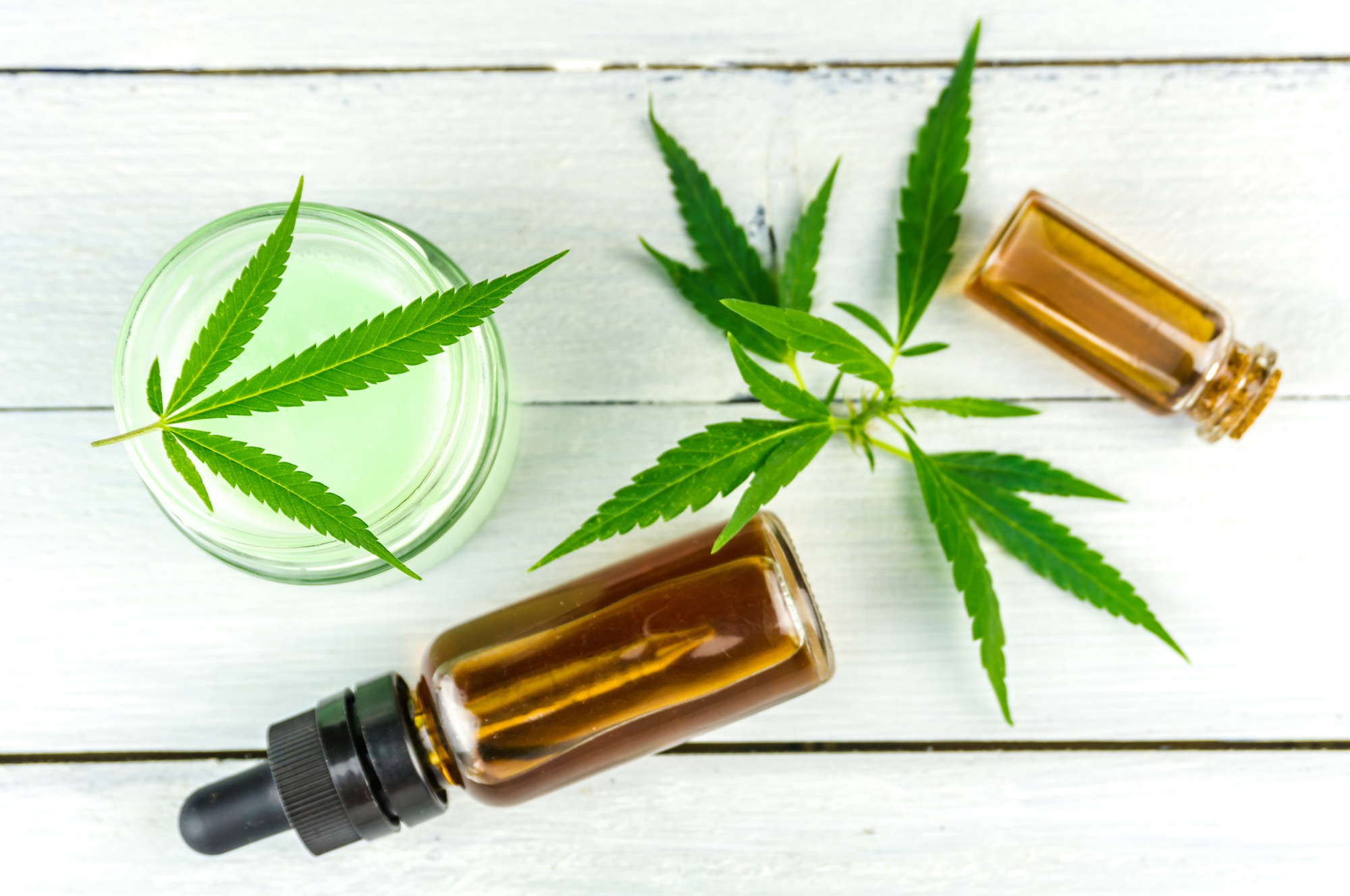
Cannabis topicals—such as creams, balms, lotions, and oils—can be highly effective for targeted relief, but only when used correctly. Many users unknowingly make simple mistakes that reduce effectiveness or even cause skin irritation.
Common issues include applying too much or too little product, skipping patch tests, ignoring label instructions, or using expired formulations. Some people also apply topicals to unclean, wet, or damaged skin, which can affect absorption and lead to discomfort.
To get the best results, it’s essential to understand proper application techniques, correct storage, and how your skin interacts with these products. In this guide, you’ll learn the most common mistakes people make when using cannabis topicals—and how to avoid them for safer, more effective results.
Key Takeaways
- One way to get the most out of cannabis topicals is to recognize what makes them tick, which is selecting a topical that aligns with your skin type, needs, and ingredient preferences.
- Topicals can be tricky. Applying them to clean, dry skin and abiding by recommended dosages and frequencies helps you avoid irritation and boost results.
- Do a patch test before full application, especially if you have sensitive skin, to make sure you are not allergic.
- Keeping a log of your regimen and your skin’s reaction to it lets you fine-tune usage for optimal results.
- Pairing cannabis topicals with other treatments and maintaining healthy skin habits may enhance benefits.
- Topicals are easy to get wrong. I cover the common mistakes when using topicals and how to avoid them.
Understanding Cannabis Topicals
Cannabis topicals, including creams, balms, oils, or gels infused with cannabinoids like THC or CBD, are designed for targeted relief. You apply these topical medications directly by rubbing a thin layer onto the skin in need of relief. They’re effective for localized pain, swelling, or various skin conditions, and they don’t get you “high.” Understanding what’s in your topical and how it works helps you identify what suits best for your skin and your needs.
The Mechanism
Cannabis topicals work by interacting with cannabinoid receptors located in the skin, rather than entering the bloodstream. These receptors are part of the body’s endocannabinoid system, which plays a role in regulating pain, inflammation, and skin health.
When applied, cannabinoids like CBD and THC bind to these local receptors to provide targeted relief in specific areas. This makes topicals especially useful for muscle soreness, joint discomfort, inflammation, and certain skin conditions.
Unlike transdermal products, most cannabis topicals do not produce psychoactive effects because they do not reach significant levels in the bloodstream. Instead, their effects remain localized, typically beginning within 10 to 30 minutes and lasting for several hours, depending on the formulation and individual response.
The Ingredients
The majority of cannabis topicals utilize either CBD or THC as primary actives. CBD is calming and de-reddening. THC, when legal, might assist more with acute pain. Both can relieve swelling.
Carrier oils such as coconut, olive, or shea butter assist cannabinoids to disperse and absorb more effectively. They help make the product more slick and enjoyable to apply.
- Possible allergens: fragrances, dyes, parabens, lanolin, preservatives, nut oils
- Look out for warning or “hypoallergenic” labels if your skin is sensitive.
Know your ingredients. Seek out easy, brief labels with transparent quantities of either CBD or THC. A patch test is wise. Test on a small area and wait 24 hours.
The Sensation
When applied, a cannabis topical could feel like a ‘cool chill’, a ‘warm tingle’, or simply soothing on the skin. This may be influenced by add-ons such as menthol for cooling or capsaicin for heating.
Creams feel light, absorb quickly, and are effective on oily skin. Balms are thick, have more longevity, and are good for dry or cracked skin. Oils may be slick but cover large areas.
Some individuals may experience sensitivity even with mild formulations.
If you start to sting, itch, or burn, stop and wash it off. Keep an eye on shifts whenever you try a new topical and switch things up if you notice an issue.
Common Application Mistakes
Most folks get into trouble with cannabis topicals, such as topical medications and creams, by bypassing simple steps or by not fitting products to their needs. Ignoring your skin condition or not tracking how your skin reacts can render the product much less effective. To maximize your topical relief, heed these common errors and modify your routine accordingly.
1. Wrong Dosage
Using too much or too little of a cannabis topical is one of the most common mistakes. Applying more product does not necessarily increase effectiveness and may lead to wasted product or skin irritation—especially for those with sensitive skin.
On the other hand, using too little may not deliver noticeable relief. The key is to start with a small amount—typically a thin, even layer—and gradually increase if needed.
Always follow the product’s recommended usage guidelines. Factors such as skin type, the size of the affected area, and the product’s potency all influence how much you should use. Consistency and moderation tend to produce the best results over time.
2. Wrong Frequency
Others apply topical medications too frequently, dreaming of accelerated benefits. This can backfire and actually worsen various skin conditions, sometimes causing irritation or diminishing the effectiveness of the topical steroid. If you apply too infrequently, you might not achieve consistent pain relief. So it’s best to develop a regimen that works for your skin and remain consistent with it.
3. Wrong Location
For topical pain relief products to be effective, you’ve got to apply them where you need relief. Applying them on the wrong area won’t do you any good, and using topical medications on sensitive spots, such as near your eyes or broken skin, can present complications. Always read the usage instructions. If you’re experiencing joint pain, for example, massage the topical steroid directly into the painful joint. If the sticker says don’t touch these areas, respect that.
4. Wrong Preparation
Clear skin makes your surface work more effective, especially when using topical medications. Dirt, oil, and sweat can prevent the product from reaching where it needs to go, so always wash and dry the area first. Don’t apply topical creams on open wounds unless a dermatologist says it’s okay, and allow the product to sink in before dressing to avoid rubbing off or staining clothing.
5. Wrong Expectations
Cannabis topicals aren’t magic; they take time, and results differ. Some experience topical pain relief products in minutes, while others require days. Skin type, health, and the problem you’re treating all contribute to the efficacy of topical medications. Have patience and take notes on what works for you. A journal can assist you in recording what you applied, when, and in what quantity, and how your skin reacted. Keep in mind that topicals are only one portion of treatment and may be most effective with other treatments.

Choosing Your Ideal Topical
Selecting the right topical involves more than just choosing a product off the shelf. Understanding how cannabinoids, base ingredients, and your personal goals work together will help you make a more informed and effective choice. Most of us just grab whatever is handy without considering what’s best. Smart selection of topical creams yields superior outcomes and a reduced chance of side effects. Here’s a step-by-step guide to picking a topical that works for you.
- Identify your primary objective: pain relief, hydration, or repair. Then seek out topicals formulated for that purpose.
- Look for the cannabinoid profile. Some provide more potent relief from THC. Some are better for daily use with CBD.
- Understand your skin type. Oily skin might fare better with the lighter bases, while dry skin typically requires richer oils.
- Here’s where you want to read the ingredient list. Natural oils and extracts do the trick for the majority. If you have sensitive skin, skip the harsh chemicals.
- Always patch test the product before full use.
- ABOUT SELECTING YOUR PERFECT TOPICAL – For steroid topicals, find out about potency levels and follow your doctor’s advice.
- About: Selecting your perfect topic.
By Cannabinoid
Cannabinoid | Main Benefit | Best Use Case | Psychoactive? |
CBD | Calms & soothes | Everyday skin health | No |
THC | Strong relief | Targeted pain, aches | No (topical use) |
Full-spectrum products contain more than one cannabinoid and can provide that synergistic or “entourage” effect. They can amplify relief compared to isolated formulas, which include only one compound. Isolates are ideal for anyone wishing to avoid trace cannabinoids or who is sensitive. Choose based on your results: do you want maximum relief or something milder for daily use?
Always check labels for cannabinoid content. Actual amounts swing wildly. This helps establish realistic expectations of effectiveness.
By Base Ingredient
Natural oils like coconut, jojoba, and shea butter deliver hydration and promote skin health, while plant extracts such as calendula or aloe vera can provide targeted relief from irritation. These natural bases frequently enhance the effectiveness of topical medications and are less prone to cause reactions. Steer clear of synthetic scents or rough chemicals, particularly if you have sensitive skin. Opt for lighter gels if you are oily or richer creams for dry patches.
By Your Goal
Begin by identifying your goal: pain, dryness, redness, or healing. For pain relief, seek out THC-rich balms or topical pain relief products. For moisture, CBD cream with plant oils assists. If you require repair, look for topical medications with extra vitamins or botanicals. Wedge your topical into your regular schedule for optimal effect, and reassess your objectives every couple of weeks.
Your Skin’s Crucial Role
Your skin, your body’s largest organ, shields you from UV rays, pollution, and germs. How your skin interacts with topical medications, particularly cannabis creams, is contingent on its type, health, and maintenance. The right decisions make your topical relief matter.
Skin Type
Oily, dry, and sensitive skin all behave differently. Oily skin is slick and breakout-prone, dry skin can flake or feel tight, and sensitive skin can experience redness or stinging after new products. This alters the way your skin absorbs lotions or salves.
Your skin should guide your topical. The lighter, non-comedogenic gels work best for oily skin, while rich, emollient creams are the choice for dry skin. Sensitive skin thrives on minimal ingredients and less perfume. Don’t forget to always do a patch test. Put a wee bit on your wrist or behind the ear and leave it for 24 hours to spot any reaction. Your skin can change with the seasons as well. Hot weather may grease up your skin, and cold, dry air can leave it dry. Tweak your topicals.
Skin Health
Fantastic skin resists everyday strain, traps hydration, and absorbs topicals more effectively. Bad sleep, bad diet, and high stress manifest as dullness, breakouts, or dryness. Eating a balanced diet, staying hydrated, and protecting against the sun with broad-spectrum sunscreen daily will help your skin perform at its peak.
A little gentle exfoliation goes a long way toward removing dead cells so actives can penetrate deeper. Oily skin can take it twice a week, but dry skin just once. Don’t forget your neck, hands, or that thin skin around your eyes—they’re aging quickly, and they need attention. An annual skin check with a dermatologist can help uncover lurking trouble.
Skin Absorption
About: Your Skin’s Essential Role
The thickness and health of your skin determine how much topicals absorb. Thicker skin, such as on your palms, absorbs less than thin skin, like beneath the eyes. Apply topicals with occlusive agents, like shea butter or oils, which trap active compounds in place so your skin has time to absorb them.
Always begin with clean, dry skin. Dirt or oil can prevent absorption. Once applied, wait a few minutes before dressing or touching. This break allows the topical to work and prevents it from getting rubbed off.
Maximizing Topical Benefits
Maximizing the benefits of topical cannabis products involves more than just applying a cream or balm; it requires a well-defined strategy, meticulousness, and some experimentation. Select the appropriate topical medication for your skin. Lighter gels tend to work better for oily skin, while richer creams are ideal for dry skin. If you have sensitive skin, be sure to patch the test on the inside of your wrist and wait 24 hours for any irritation. The effects of topical medications can endure for several hours, and everyone is different.
Consistency
Use regularly for best effect. Missing applications make it more difficult to notice the actual transformation. If you skip a day, your symptoms may return, or relief might not be as long-lasting. Set phone reminders or leave your topical somewhere you’ll see it every day, like on a bathroom shelf. Take a coin-sized amount, roughly the size of a dime or quarter, and apply it in a thin layer for optimal effectiveness.
Keep track of every application. Record when and where you put on the topical and if you notice any difference in how you feel. Modify your frequency according to these notes and your symptoms.
Combination
Cannabis topicals can be used alongside other wellness practices to enhance overall results. For example, combining topical use with stretching, massage, or physical therapy may help improve comfort and mobility in targeted areas.
Some users apply topicals before or after exercise to support muscle recovery, while others include them as part of a broader skincare routine.
If you plan to combine cannabis topicals with other treatments—especially medicated creams or prescription therapies—it’s best to consult a healthcare professional. This helps avoid potential skin irritation or unwanted interactions.
Environment
Temperature and humidity have a huge effect on topical efficacy. Heat can thin and help spread creams, but diminish strength if the preparation isn’t packaged or preserved well. Humidity can impact the absorption rate of topical products. For maximum topical goodness, store your topical in a cool, dry place out of direct sunlight.
In winter, dry air might necessitate thicker creams or more frequent application. In humid months, lighter gels can feel less greasy and soak in faster. Regardless of the season, shield your skin from punishing weather or pollution. This helps your skin maximize the benefits of each topical application.
Safe and Smart Usage
Appropriate use of topical medications can help you maximize each product and avoid pitfalls. Always begin by reading your topical’s instructions, which guide how much to use, how frequently to apply, and where it is safe. If you have sensitive skin or an allergy, show the leaflet to your doctor or dermatologist. They can assist you in verifying the ingredients and ensuring the product is compatible with your skin. No matter if you’re using creams, ointments, or topical steroids, all have different instructions and strengths, so don’t skip this step.
Proper Storage
Store cannabis topicals, such as topical creams and lotions, in a cool, dark place. This practice keeps the healthy parts robust and prevents rapid deterioration. Sunlight or heat can weaken the product and may alter its effects on your skin, diminishing the therapeutic effects of the topical medications.
Use your topicals safely and smart – keep them where kids and pets can’t reach! A high shelf or locked cupboard tends to work best. Look at the expiration date every couple of months. Using it beyond the expiration might yield bad results or cause skin issues.
About safe and smart use. Don’t store your topical in very hot or cold places. For instance, don’t store it in your car, next to a heater, or in direct sunlight. These areas can cause the item to lump, curdle, or go bad.
Patch Testing
Patch testing allows you to spot allergic reactions prior to applying a new topical to a large area. Sprinkle a dime-sized amount onto the inside of your wrist. Pause for 24 to 48 hours. Beware of any redness, itch, swelling, or rash.
If your skin still feels good after this period, use as directed. This step is particularly crucial if you’re sensitive or have an allergy history. Don’t skip this if you are uncertain about an ingredient, or it’s your first time using a cannabis topical.
Adverse Reactions
Typical problems with cannabis topicals are redness, burning, rash, or swelling. These indications signify that your skin might not favor the product.
Discontinue use of the topical if you notice or experience severe irritation. If it doesn’t improve in a day or two, see a dermatologist. For persistent issues, report your experience with the product maker for safety monitoring. Reporting helps other people avoid the same problems and makes future products better.
Conclusion
Cannabis topicals can be a powerful tool for targeted relief and skin support—but only when used correctly. Small mistakes like skipping patch tests, applying the wrong amount, or choosing the wrong product for your skin type can significantly impact your results.
By understanding how these products work, selecting the right formulation, and following proper application techniques, you can maximize their benefits while minimizing potential irritation.
Consistency, awareness, and attention to your skin’s response are key. When used thoughtfully, cannabis topicals can become a reliable part of your wellness routine.
Frequently Asked Questions
What are cannabis topicals used for?
You apply cannabis creams for targeted treatment of pain, inflammation, or various skin conditions. They’re not psychoactive and provide localized relief when applied to your skin.
Can you apply cannabis topicals to broken skin?
No, you don’t apply topical cannabis products to broken or irritated skin. This can potentially raise your risk for infections or irritation. Apply only on clean, intact skin.
How often should you reapply cannabis topicals?
Most cannabis products, including topical medications, can be reapplied every four to six hours for effective relief, so always follow your product instructions!
What is the most common mistake when using cannabis topicals?
The biggest mistake is applying too little topical medication or not massaging it in properly. Use liberally and rub in for best results.
How do you choose the right cannabis topical for your needs?
Choose a topical medication according to the effect you want, your skin type, and your sensitivity. Check labels for ingredients and potency options. If you’re unsure, consult a dermatologist.
Does skin type affect how cannabis topicals work?
It’s true, your skin type can influence absorption and effects, especially when using topical medications. Dry or thick skin might require additional product, so try a small patch first.
Can cannabis topicals interact with other skincare products?
Yes, certain topical medications can interact. Allow a few minutes between different products. If irritation occurs, discontinue use and consult a dermatologist.
Feel Targeted Relief With Cannabis Topicals At Woodland Cannabis Dispensary
Looking for a simple, effective way to relieve pain or tension without smoking or ingesting cannabis? At Woodland Cannabis Dispensary, our cannabis topicals are designed to deliver focused relief exactly where you need it. From soothing creams and balms to fast-absorbing lotions, these products work directly on the skin to support comfort, recovery, and everyday wellness.
Whether you’re dealing with sore muscles, joint discomfort, inflammation, or skin irritation, topicals make it easy to stay in control. Choose from THC, CBD, or balanced formulas, each crafted for consistency and backed by third-party lab testing, so you know exactly what you’re using every time.
Not sure which product is right for you? Our team is here to help. We’ll walk you through your options, explain how each topical works, and guide you toward the best fit for your needs and routine.
Stop by our Woodland location or browse our online menu for quick, convenient pickup. At Woodland Cannabis Dispensary, getting targeted relief is simple, reliable, and tailored to you.
Disclaimer
The materials available on this website are for informational and educational purposes only and are not intended to provide medical or professional advice. You should consult with a qualified healthcare provider for advice concerning any particular medical issue or condition. Do not act or refrain from acting based on any content included on this site without seeking appropriate medical or other professional advice. The information presented on this website may not reflect the most current medical developments or practices. No action should be taken in reliance on the information on this website. We disclaim all liability for actions taken or not taken based on any or all of the contents of this site to the fullest extent permitted by law.
