

How cannabis supports better sleep for people with insomnia is by interacting with the endocannabinoid system to reduce arousal and ease sleep onset. Clinical research indicates specific cannabinoids, particularly low-dose THC and CBD combinations, reduce time to sleep and nighttime awakenings among adults with chronic insomnia. Impacts differ based on strain, dosage, and consumption method, with inhalation taking effect in minutes whereas oral products linger. In the short term, side effects include daytime sleepiness and altered memory, and long-term use can change sleep architecture. Clinicians and patients monitor benefits and risks with measured dosing, sleep diaries, and actigraphy. The main part examines supporting evidence, dosing guidance, and implementation for safety.
Key Takeaways
- Cannabis works with the endocannabinoid system to balance the sleep-wake cycle. Selecting products with suitable cannabinoid and terpene profiles can significantly decrease the time it takes to fall asleep and enhance sleep continuity.
- THC frequently accelerates sleep onset and enhances sedation, but can lead to next-day drowsiness and REM suppression. Stick to low-to-moderate doses and keep an eye on tolerance.
- CBD can alleviate anxiety and induce relaxation without intense intoxication. This provides an option for users seeking non-psychoactive sleep assistance.
- Terpenes like myrcene and linalool synergize with cannabinoids to amplify sleep effects. Opt for full-spectrum products and check labels for terpene content.
- Start low and go slow with dose and timing. Favor inhalation for immediate relief or edibles for sustained effects. Maintain a dose log and complement cannabis with regular sleep hygiene.
- Pay attention to short-term symptoms like dry mouth and dizziness, long-term dangers including tolerance, and mixability with medications. If you’re ever uncertain, consult a savvy clinician.
How Cannabis Influences Sleep
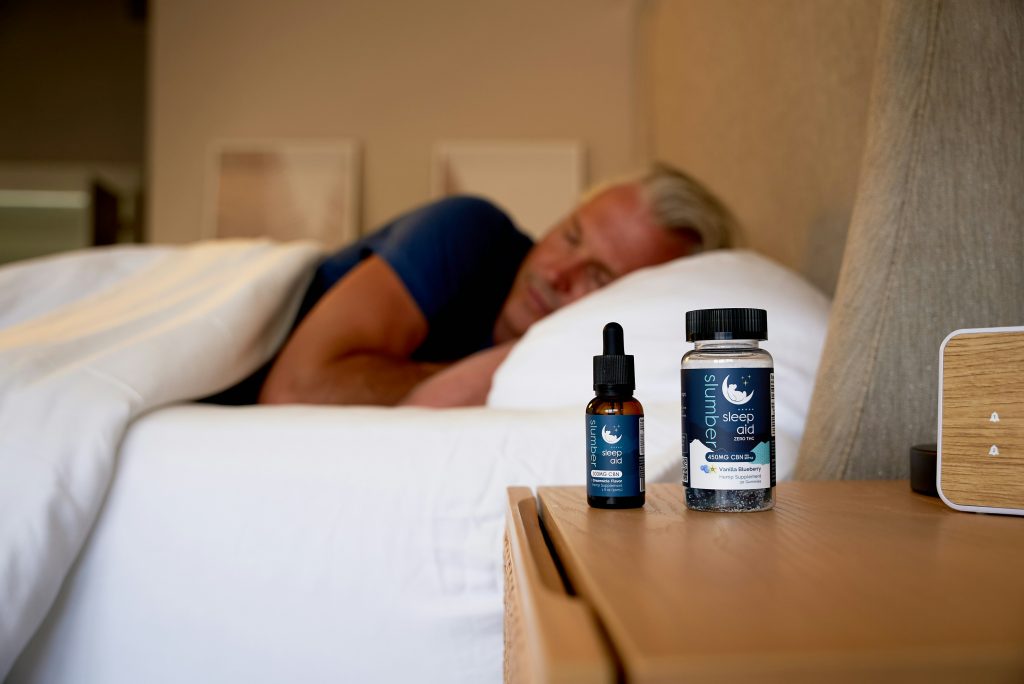
Cannabis changes the sleep-wake cycle by targeting circadian systems that monitor time, arousal, and stress. Cannabinoids are known to act on receptors connected with the circadian clock and on neural circuits that gate wakefulness. That interaction may shift sleep latency, change the balance of sleep stages, and modify nighttime awakenings.
1. Endocannabinoid System
The ECS fine-tunes sleep by regulating neurotransmitters like GABA and glutamate and modulating hypothalamic and brainstem centers that set circadian rhythm. Endocannabinoids such as anandamide wax and wane throughout the day to affect sleep pressure. Plant cannabinoids mimic or boost these ligands. THC binds to CB1 receptors, while other compounds alter enzyme activity that controls endocannabinoid levels. The ECS connects mood and stress to sleep. When stress pushes cortisol up, ECS tone can change and damage sleep. Restorative sleep requires a well-modulated ECS for slow-wave sleep and REM to be steady. Without moderation, users experience disrupted sleep or difficulty sleeping. Daily cannabis users tend to report more sleep problems than occasional or non-users, underscoring that ECS modulation can be a boon in the short term but dysregulation can creep in with frequent use.
2. THC’s Sedative Role
THC can shorten sleep onset latency, as multiple studies have indicated higher THC concentrations are associated with quicker sleep entry. THC’s sedative properties can lead to decreased time to sleep onset and an increase in total sleep time in the immediate term. Greater doses contribute to drowsiness but increase the danger of next-day hangovers and diminished cognition. Low doses might aid in sleep onset without creating morning grogginess, while high doses could enhance sedation and build tolerance. A 2023 randomized, double-blind, placebo-controlled crossover trial observed that an oral oil combining THC and CBD enhanced sleep in chronic insomnia, providing controlled evidence for THC’s impact.
3. CBD’s Calming Effect
CBD reduces anxiety, which commonly inhibits sleep, and does so without pronounced intoxication. Research indicates that CBD can increase deep sleep phases and even diminish nightmares for certain individuals. Approximately 27% of respondents have used CBD at least once as a sleep aid. CBD appeals to the non-intoxicating crowd and can pair with THC or shine solo for anxiety-driven insomnia.
4. Terpene Synergy
Terpenes such as myrcene, linalool, and terpinolene contribute sleep-supporting fragrance and pharmacology. They modulate receptor signaling and can enhance cannabinoid effects. Myrcene seems sedating, linalool is anxiolytic, and terpinolene is mildly sedative. Coupled with cannabinoids, terpenes create a powerful, precision-targeted sleep impact. CBN looks promising; a 2023 study found that 20 mg enhanced nighttime awakenings. Legalization trends line up with decreased OTC sleep aid sales, indicating shifting user preferences.
Practical Cannabis Application
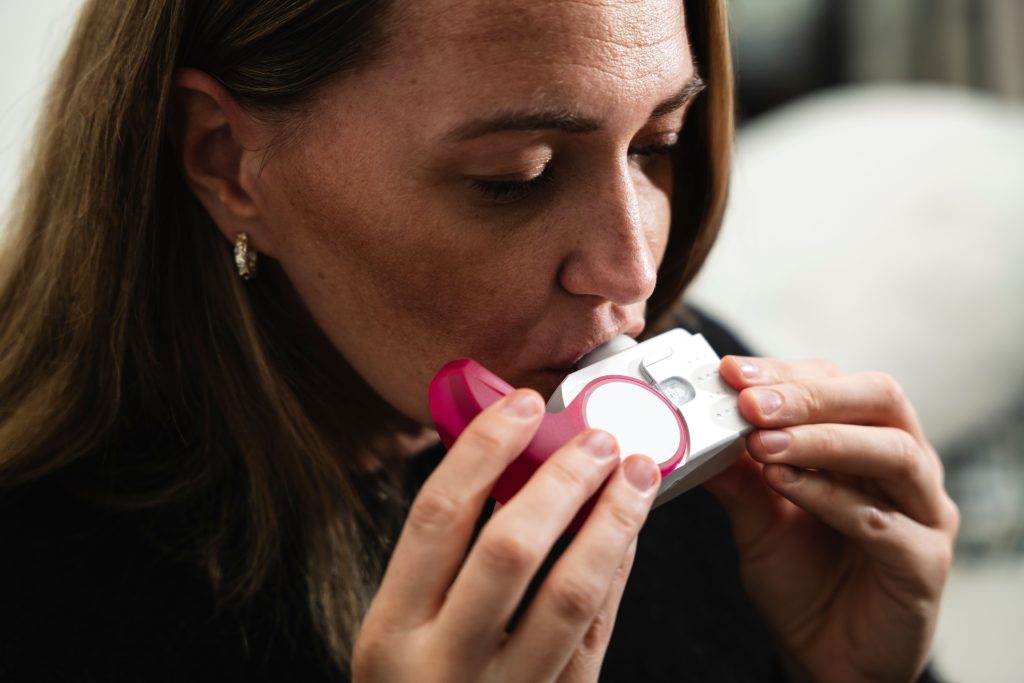
Practical context: Cannabis can be a tool in a sleep plan, not a standalone cure. We see reports of ongoing sleep benefit long term for some individuals, as well as targeted formulations such as ZTL-101 administered sublingually for two weeks reducing symptoms of insomnia. Apply practical, quantitative methods to incorporate weed responsibly into rituals and record impact and side effects.
Consumption Methods
Smoking and vaping get cannabinoids to you fast, within minutes, and last one to three hours. Inhalation fits individuals who are looking for quick relief to fall asleep. Edibles deliver a slower onset, usually 45 to 120 minutes, but have effects lasting six to ten hours, working well for those who suffer from difficulty staying asleep. Tinctures and drops act faster than edibles, often 15 to 45 minutes, and ZTL-101 is a great example. Topicals don’t usually impact sleep unless they are designed for systemic absorption, as they are mostly used for localized pain that disrupts sleep.
Onset times and duration:
- Inhalation: fast onset, short-to-moderate duration.
- Sublingual/tincture: moderate onset, moderate duration.
- Edibles: slow onset, long duration.
- Topicals: local effect, minimal systemic sleep effect.
Select route by aligning onset and duration to the sleep issue. If you fall asleep easily but wake often, go with longer-lasting forms such as edibles. If you’re looking to sleep, inhale or use sublinguals.
Dosage And Timing
Begin low and slow. Several trials used fixed daily doses and permitted physician-directed dose escalations. The ideal dose is still being studied. Start low, wait the full onset window for your method, then increase on separate nights instead of the same.
Dosage: cannabis 30 to 60 minutes before intended sleep for sublingual and inhalation methods; less timing necessary for sublingual and inhalation methods, earlier for edibles. Too large a dose can disrupt sleep architecture and create hangover symptoms the following day. Record dose, time, sleep latency, WASO, TST, and any side effects such as dry mouth, nausea, dizziness, or ataxia in an easy-to-use log.
Strain Selection
Indica strains are sometimes described as more sedating. Sativa strains tend toward stimulation. Hybrids differ by balance and can be customized.
- Indica: more sedative, useful for sleep onset and maintenance.
- Sativa: more stimulating, not usually recommended for insomnia.
- Hybrid: targeted profiles, pick based on cannabinoid/terpene content.
Check labels for THC/CBD ratios and sedative terpenes such as myrcene and linalool. Track personal reactions because the impact differs and some won’t observe any difference.
Potential Risks And Side Effects
It can be effective for some in inducing sleep, but it carries several risks and side effects that are dependent on dosage, frequency of use, product composition, and individual susceptibility. Consider short- and long-term harms, drug interactions, medical contraindications, and practical monitoring steps before habitual use.
Short-Term Effects
- Dry Mouth: Common and benign, it can lead to throat irritation and increased thirst, particularly with smoked or vaporized products.
- Dizziness: Especially at higher THC doses or in people with low blood pressure, this can increase fall risk on nighttime trips to the bathroom.
- Impaired Memory and Attention: Acute THC exposure can reduce short-term memory and slow reaction time, which may affect morning functioning.
- Grogginess and Next-Day Lethargy: Some users report feeling more sleepy, anxious, or irritable the morning after cannabis use compared to other sleep aids or no aid.
- Anxiety or Paranoia: Sensitive users or those on high-THC products can experience heightened anxiety or transient paranoia, which can disrupt sleep rather than help it.
Long-Term Concerns
It can cause tolerance with daily use, meaning higher doses are needed for the same effect and potentially increased risk of physiological or psychological dependence. Daily cannabis users report more sleep problems than infrequent users or non-users, indicating diminishing returns and possible rebound insomnia. Heavy, long-term use has been associated with cognitive changes, mainly attention and memory, but causality is unclear, and it’s not clear if such changes are reversible. Chronic overuse may degrade sleep quality by shifting sleep architecture and decreasing restorative stages. Scheduled vacations and planned abstinence windows can reset tolerance and potentially keep effectiveness high while minimizing addiction risk.
Medication Interactions
Checklist: benzodiazepines, non-benzodiazepine hypnotics (z-drugs), sedating antihistamines, opioids, certain antidepressants (MAOIs, SSRIs), antipsychotics, and anticoagulants like warfarin. Cannabis may increase sedation when combined with other sleep aids and elevates fall risk and respiratory depression in at-risk individuals. Antidepressants and antianxiety medications have the potential to interact with cannabinoids in unexpected ways, impacting their efficacy or side effects. Blood thinners may be impacted by cannabinoids through cytochrome P450 alterations, increasing bleeding risk. As with any supplement, always check interactions with a clinician or pharmacist and consider conservative dosing or avoiding combined use if risks exist.
Cannabis Versus Conventional Aids
Here’s what separates cannabis from conventional sleep aids: mechanistically, experientially, and population-level trends. All of these are important when selecting an insomnia option. Below, efficacy, safety, and lived experience are contrasted to assist in balancing trade-offs for various situations.
Efficacy Comparison
The data is mixed but impressive. Among them, it indicates that 63.2% of cannabis users attain six to eight hours of sleep with cannabis alone, versus less than 20% for prescription and over-the-counter sleep aids. Fewer and often small clinical trials exist, but several randomized and observational studies observe decreased sleep latency and increased subjective sleep quality with THC-dominant products. Response varies widely; genetics, tolerance, dose, timing, and product composition (THC: CBD ratio) change outcomes. High-THC products are favored by around 60% of users for sleep, consistent with more potent sedation but increased next-day grogginess for some. Areas where cannabis beats conventional drugs include patients intolerant to benzodiazepines or z-drugs and those wanting less daytime grogginess. There is underperformance in daily heavy users who endorse more chronic sleep issues. Consider individual factors such as comorbid anxiety, substance use history, and occupational safety needs.
Outcome | Cannabis (user-reported/clinical) | Prescription/OTC Sleep Aids |
6-8hr sleep achieved | 63.2% (survey) | <20% (survey) |
Sleep latency | Frequently reduced by THC | Often reduced short-term |
Consistency across users | High variability | More predictable in trials |
Sedative strength preferred | High THC prevalent | Varies by drug class |
Side Effect Profiles
Side effects differ in type and frequency. Cannabis users experience relaxation (83% mind, 81% body) but more next-morning sleepiness, anxiety, and irritability than mornings following PSAs, OTCs, or no aid. Dependency and withdrawal are reportedly less with certain cannabis versus benzos, yet paradoxically, daily cannabis consumers report more insomnia than less frequent or non-cannabis users. Prescription aids have risks of tolerance, cognitive impairment, and falls in the elderly and have distinct withdrawal syndromes. Unique risks include cannabis, which has impaired driving, cognitive effects, and variable dosing, while prescription and OTC aids have respiratory depression when combined with opioids or alcohol and complex drug interactions.
Side Effect | Cannabis | Prescription/OTC |
Dependency reports | Lower for some products | Higher for benzodiazepines |
Next-day sedation | Common for high-THC | Common for many PSAs |
Cognitive impairment | Possible, dose-dependent | Evident with several classes |
Withdrawal risk | Variable | Established for many PSAs |
Patient Experiences
Cannabis vs. Traditional Helpers: Anecdotally, many patients decrease or eliminate PSAs and OTCs following medical cannabis. More than half of medical users report substituting cannabis for prescriptions. Happy reviews mention better sleep and fewer synthetic drugs. Bad news encompasses morning fog and mood swings, while long-term daily users frequently experience exacerbated sleep disturbances. Gathering structured testimonials with details such as dose, product type, and timing enables clinicians and analysts to find patterns and customize suggestions.
The Impact On Dream Cycles
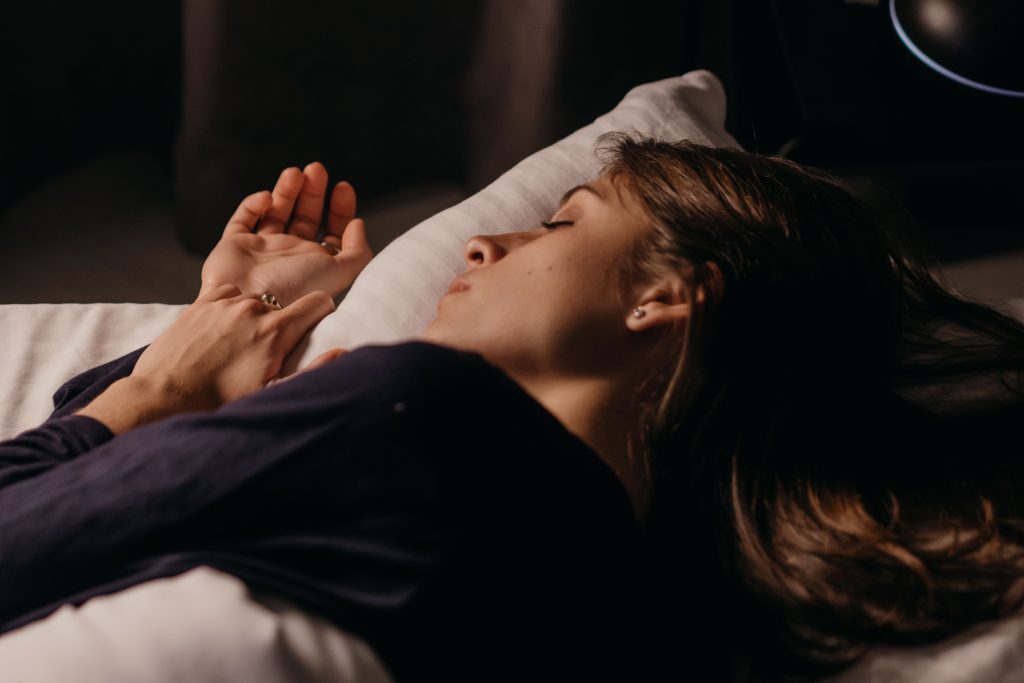
Cannabis messes with normal dream cycles by tipping the scales of sleep stages, mainly via influence on the endocannabinoid system and on neurotransmitters that balance sleep-wake cycles. Users frequently experience fewer dreams while using cannabis regularly, which aligns with observable decreases in REM sleep in numerous studies. That shift can decrease bad dreams for a few, but it reconfigures the pattern of deep and light sleep cycling through the night, occasionally causing more wake-ups or reducing overall sleep time in intense or long-term users.
REM Sleep Suppression
THC reduces REM sleep by acting on CB1 receptors and altering cholinergic and monoaminergic signaling that normally promotes REM. Clinical and polysomnography data reveal dose-dependent REM suppression, with heavier or daily use causing greater REM reductions. For people with nightmares or PTSD, lower REM can be beneficial. Fewer nightmares and reduced dream-related distress are commonly reported outcomes, and some open-label trials have documented short-term symptom drops.
Downsides to less REM. REM affects emotional processing, memory consolidation, and mood regulation. Continuous REM suppression can damage certain types of memories and increase susceptibility to mood instability. Daily users more frequently experience sleep issues and fragmented dream cycles than less frequent users, indicating that persistent REM alteration may negatively affect sleep quality. About: The effect on your dream cycles. Monitor your dream cycles and daily functioning when using cannabis for sleep, as well as your memory, mood, and daytime sedation. Cannabis may cause grogginess and impair driving.
Dream Rebound
Stopping cannabis often triggers dream rebound: a period of increased dreaming and vivid, intense dreams as REM returns to baseline and sometimes overshoots. This rebound generally manifests within days of cessation and can last anywhere between a week and a few weeks, but duration varies with use history and dose. They’re vivid and can derail sleep, so if you go off, anticipate this.
Prepare by tapering, not cold turkey, where possible, keeping sleep hygiene strong, and notifying clinicians if vivid dreams exacerbate mood or daytime function. Research is mixed: some studies find no long-term sleep quality improvement over months of use, and evidence gaps remain. More controlled trials are needed to map rebound timing, intensity, and functional impact.

Navigating Your Personal Path
Cannabis may assist some individuals in falling asleep more quickly. The cannabis-sleep connection is complicated. Along with immediate benefits, it carries risks such as decreased overall sleep quality, increased night-time awakenings, and potential psychiatric symptoms in vulnerable populations. Your own data-driven plan is going to be the best way to navigate whether cannabis assists your insomnia without introducing new issues.
Start Low, Go Slow
Start with the smallest effective dose and maintain that dose for a few nights before adjusting. Minimal dosing minimizes acute side effects like daytime grogginess, lightheadedness, or next-day brain bangers.
Take dose escalations in measured increments and note the precise quantity and timing. Space your adjustments by several nights, ideally a week, so you can detect actual trends rather than noise from single nights.
Set clear goals: faster sleep onset, fewer awakenings, longer total sleep time, or reduction in racing thoughts. Go with concrete goals like falling asleep within 30 minutes or having less than 2 awakenings per night.
Note that daily use may provide early gains but become less effective as you go. Non-daily users often experience less sleep trouble than daily or no users.
Mindful Observation
Monitor sleep quality, duration, latency, and nighttime awakenings daily. Pay attention to side effects such as impaired dream recall or morning sedation.
Use a basic sleep diary or popular app that records bedtime, wake time, subjective sleep quality, and cannabis consumption. They identify tolerance, rebound insomnia, or diminishing return.
Record mood, daytime energy, anxiety, and cognitive sharpness. These domains identify if sleep benefits are offset by mood alterations or psychiatric symptoms in vulnerable individuals.
Check the data regularly, weekly or biweekly, to adjust dose, timing, and type of product. If you notice patterns of worsening sleep quality or daytime issues, stand down from use and reevaluate.
Professional Guidance
Consult with clinicians or cannabis-literate wellness experts who are versed in pharmacology, sleep physiology, and psychiatric risk. They can assist in matching strains, delivery methods, and dosing schedule to your objectives.
Custom advice cuts trial-and-error time and can catch sketchy signs early, like addiction, rebound insomnia during cessation, or developing depression.
Make intermittent check-ins to measure progress and safety. Continued support stabilizes gains, resets tolerance, and lays out step-down plans to prevent rebound cycles.
Final Remarks
Cannabis can facilitate sleep in most insomniacs. In the short term, it could reduce time to fall asleep, increase deep sleep, and reduce night wakings. A few example options work well: low-dose CBD for mild anxiety, a balanced THC: CBD blend for sleep onset, and indica-leaning strains at night for longer deep sleep. Side effects can pop up. There’s daytime grogginess, tolerance, and alterations to dream recall. Older adults and those on blood thinners require caution. Record dose, strain, and timing in a basic log. Give yourself two to three nights on a plan before you switch it. Discuss interactions and long-term plans with a clinician. If you’d like, I can lend a hand constructing a trial plan or tracking template.
Frequently Asked Questions
1. What Types Of Cannabis Help With Insomnia?
Higher-CBD, balanced-THC strains often aid sleep. Indica-dominant or high-CBD items tend to be relaxing but are not strongly stimulating. Check product labels and talk to your provider for personalized options.
2. How Should I Dose Cannabis For Better Sleep?
Start low and go slow: try a small dose of 2.5 to 5 mg THC or 10 to 25 mg CBD at bedtime. Step up slowly only if necessary. Track the effect for a few nights, then modify.
3. How Long Before Bed Should I Use Cannabis?
Apply cannabis 30 to 90 minutes before your intended sleep. Onset varies by method: inhalation acts faster, taking minutes, while edibles take longer, requiring 60 to 120 minutes.
4. What Delivery Methods Work Best For Sleep?
Inhalation provides quick relief for sleep onset. Edibles and capsules last longer for sleep maintenance. Tinctures allow you to customize dose and onset.
5. Can Cannabis Affect Dreaming Or REM Sleep?
Yes. THC can suppress REM sleep and vivid dreaming, particularly in higher doses. CBD’s effects are less clear. Changes are typically reversible upon discontinuation.
6. Are There Safety Concerns For Long-Term Cannabis Use For Insomnia?
Chronic use leads to tolerance, dependence, and morning grogginess for certain individuals. Consult a clinician if you use cannabis every night or have mental health issues.
7. How Does Cannabis Compare To Prescription Sleep Aids?
Cannabis can assist certain individuals in dozing off with reduced next-day grogginess compared to certain sedatives. The science is inconsistent, but prescriptions have defined dosing and control. Talk options with your doctor.
