
Key Takeaways
- Cannabis capsules provide accurate dosing and convenient consumption, which appeals to many types of users aiming for measured impact and portability.
- Start with a low dose and work your way up, recording each experience to get the most out of your cannabis capsule doses while avoiding side effects or discomfort.
- Eating can affect cannabinoid absorption. Consuming capsules with a fatty meal can enhance potency, and stay away from either high-fat or sugary foods.
- Monitor your dose, schedule, and reactions in a dosing journal to optimize your approach and match results to your objectives, whether for relief, rest, or activity.
- Know potential interactions and consult healthcare professionals as required for safe and effective use of cannabis capsules.
- Knowing something about your own body chemistry, tolerance, and goals is key to optimizing results and minimizing side effects with cannabis capsules.
Cannabis capsule dosing refers to using a pre-measured THC in pill form to achieve consistent effects. THC capsules provide a measured amount, which allows them to be convenient and easy for the majority of users. Most are properly labeled, listing the THC content of each pill in milligrams, making it easier to monitor your consumption. Taking THC capsules is as simple as swallowing a pill with water and waiting for effects, which often begin within 1 to 2 hours. They are used for pain, stress, or sleep, and the dosage can vary depending on what you need or how your body responds. The latter will demonstrate more on how to select the appropriate dosage and take them properly.
What Are Cannabis Capsules?
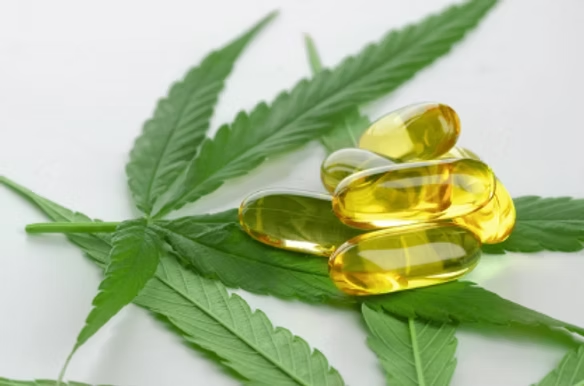
Cannabis capsules offer a contemporary, precise method of cannabis consumption. These are tiny pills packed with cannabis oil or extract, providing a measured amount of cannabinoids. Consumers will encounter them in a variety of strengths, from 2.5 mg up to 50 mg or higher per capsule. We love cannabis capsules for their convenience, precise doses and discreet delivery. They’re discreet and convenient, ideal for medical or recreational consumption. These effects may persist anywhere from 4 to 8 hours, a blessing for individuals who require extended relief from ailments such as chronic pain or anxiety.
The Composition
Each cannabis capsule has two main parts: the outer shell and the core ingredients. The shell is usually gelatin or plant-based. Inside, there’s cannabis oil or extract, usually combined with a carrier oil like MCT or coconut oil. Carrier oils are significant as they assist the body in taking in cannabinoids more effectively, increasing both the bioavailability and the impact. A good capsule utilizes high-quality cannabis extracts, which can be derived from different strains and need to be obtained from a trustworthy, tested vendor ensuring safety and potency. Certain capsules, like soft gels, have additional ingredients—herbs, vitamins, or emulsifiers—that may alter the strength or efficacy of the capsule.
The Mechanism
Capsules work by digesting. Once swallowed, the capsule breaks down in the stomach and the cannabinoids are absorbed in the gut before going through the liver. This first-pass metabolism can alter the intensity and duration of the effects. Cannabinoids like THC and CBD, when consumed, bind to CB1 and CB2 receptors within the body’s endocannabinoid system to elicit different responses. Unlike inhalation, capsules have a slower onset, typically ranging from 30 minutes to 2 hours, and their effects persist for an extended period. Capsule manufacture, dose, and carrier oil all affect the timing and potency of onset.
The Spectrum
Cannabis capsules come in different types: full-spectrum, broad-spectrum, or isolate. Full-spectrum capsules contain a diverse array of cannabinoids and terpenes, whereas isolated capsules target a single compound, like pure CBD or THC. Balanced capsules, which combine both THC and CBD, can provide more comprehensive medicinal relief and possibly reduce adverse effects. Terpenes, cannabis’ aromatic compounds, help to shape the effects and experience, working with cannabinoids to create what’s called the “entourage effect.” Knowing the ratio of THC to CBD in a capsule is key for selecting the appropriate product for your objectives, whether you’re looking for pain relief or to minimize anxiety.
How to Dose Cannabis Capsules
Dosing cannabis capsules is a personalized endeavor that depends on diligent record keeping, patience, and regular introspection. Everyone is different, with body size, metabolism, age, and previous experience with cannabis all playing a role. Capsules can take 30 minutes to 2 hours to take effect, so waiting before changing the dose is critical. The checklist below supports users in setting an initial dose, tracking outcomes, and refining their approach over time:
Cannabis Capsule Dosing Checklist
- Start low, usually 2.5 to 5 milligrams of THC or CBD.
- Note the time and context of intake.
- Dose observing effects after two hours before further dosing.
- Divide the daily dose into 2 to 4 portions throughout the day for more even effects.
- Step up 1.25 to 2.5 mg every two days if necessary.
- Maintain a dosing journal. Record the time, dosage, effects, and side effects.
- Check dosage charts for goals such as mild relaxation, pain relief, and others.
- Review and update dosing strategy regularly.
- Consult your doctor, particularly if dosing close to the daily 40 mg THC limit.
1. Start Low
Starting with a low dose, say 2.5 to 5 mg THC or CBD, enables them to measure their body’s response. This conservative method is essential for beginners or those with low tolerance. Incrementally increasing the dose, no more than 1.25 to 2.5 mg every two days, minimizes the risk of side effects such as dizziness or anxiety. A lower starting dose makes it easier to find your minimum effective dose for the effect you want, be it relaxation, pain relief, or sleep support.
2. Consider Food
Taking capsules with food can enhance cannabinoid absorption. Moderately fatty meals, like yogurt, eggs, or nuts, facilitate stronger uptake than fasting. High-sugar or greasy fare could slow or dilute the impact, so plain, balanced meals are optimal. The stomach’s condition alters cannabinoid metabolism, and effects can be more potent or begin earlier after a meal.
3. Time Intake
Timing impacts not only how soon the dose kicks in, but its potency. For constant relief, split the dose during the day, for example, morning and night. Matching consumption to your daily schedule, such as dosing near sleep for rest or near a stressful meeting for anxiety management, can assist in achieving wellness objectives. Consistent timing establishes a reliable routine and makes effects more predictable.
4. Document Everything
The dosing journal is really insightful. Record the dose, time, meals, and activities. Keep a log of effects and any side effects to notice patterns. Apps or basic spreadsheets make tracking a snap. Over time, this record assists you in dialing in the dose and timing for optimal results.
5. Increase Slowly
Small, slow changes are safest. After each dosage increase, wait a minimum of two days before evaluating effects. Fast jumps in dose will induce undesired reactions. Hear your body and tinker just when necessary. This slow, mindful approach reduces risk and increases success.
Factors Influencing Your Dose
There are a few different factors that influence your dosage. The following table summarizes some of the most critical dosage factors:
Factor | Influence on Dose |
Body size | Larger body mass often requires a higher dose |
Age | Older adults may require lower doses |
Metabolism | Faster metabolism can lead to quicker effects |
Product potency | Higher THC % needs careful dosing |
Product type | Capsules, edibles, and oils can change onset and effect |
Tolerance | Long-term users often need higher doses |
Sensitivity | Some feel effects more strongly than others |
Food intake | Full stomach slows THC absorption |
Strain and formula | THC:CBD ratio alters effect profile |
Time of use | Day or night dosing shifts desired effects |
Health goals | Therapeutic targets change ideal dose |
Your Body
Your body’s unique characteristics play a crucial role in how cannabis affects you. Factors like weight, age, metabolic rate, body fat, hydration, and existing health conditions all influence absorption, distribution, and elimination of cannabinoids. Understanding these elements helps ensure safe, effective dosing and a more predictable experience with cannabis products.
- Body size and weight
- Age
- Metabolic rate
- Body fat percentage
- Hydration level
- Presence of health conditions
THC and other cannabinoids are fat-soluble, so body fat is a big factor in how long they remain in your system. Individuals with higher levels of body fat tend to store cannabinoids for extended periods, potentially resulting in a slower, extended release. Hydration status is important. If you’re well-hydrated, your body can digest and flush cannabinoids more efficiently. If you’re not, effects can seem more intense or linger. Medical concerns such as liver function or bowel disorders will affect your body’s processing of THC, so take these pre-existing conditions into account when dosing.
Your Tolerance
Tolerance is how your body adjusts to consistent cannabis consumption. With continued use, habitual users typically require more to achieve the same sensations. If you use it daily, your tolerance is likely higher than someone who samples it once a month.
Alternatively, if you find you require more capsules for the equivalent outcome, that’s an indicator of increasing tolerance. Taking regular breaks from THC, sometimes called “tolerance breaks,” can help your body reset, making your dose go farther when you return.
Your Goal
Dose is determined by your goals. If you want pain relief, your dose may be different than if you seek relaxation or sleep support. Be clear on what you want so you can tailor your dose to your needs.
Certain items are higher in THC, others are a hybrid with CBD. For example, if you want to avoid feeling “high,” a balanced THC to CBD product might suit you better. Always read the label and adjust as your needs cycle. Checking back in on your goals regularly will help keep your dosing plan on track.

The Capsule Experience
Cannabis capsules provide a more discreet, consistent alternative to smoking or vaping, which may resonate with consumers focused on metered dosing. Distinct from inhaled methods, capsules administer cannabinoids via the digestive tract, producing a slower, sometimes more consistent effect that can be easier to manage for novice and experienced users alike. I recommend everyone begin with a low dose of 2.5 to 5 mg of THC or CBD per capsule and slowly increase until it suits their personal preferences and therapeutic requirements. This methodology minimizes the danger of excessive dosing and facilitates monitoring impact over time if paired with a journal to record dose, timing, and qualitative results.
Onset
The onset after consuming a cannabis capsule is sluggish and can last between 30 minutes and 2 hours, a wonderful counterpoint to the near immediacy of inhaled products. This lag is primarily because of digestion and metabolism, both of which can differ widely from person to person. A prior meal may slow onset, and a faster metabolism could get you there sooner. More importantly, patience is key. A second dose taken too quickly, before the effects are even being felt, generally results in nausea or stronger-than-intended trips. Waiting at least 2 hours before thinking about more is recommended by most. A few users notice that tracking onset times uncovers how their bodies metabolize capsules, which can guide future sessions.
Duration
Capsules typically take longer, with durations often extending from six to eight hours. The actual length varies based on the capsule’s formulation, cannabinoid content, and individual factors such as body weight and metabolism. For busy people, planning around this window is essential if you want to avoid this process disrupting key tasks. Like other psychedelics, effects such as mild drowsiness or focus shifts can linger after the primary experience, so caution and foresight are required when scheduling activities or responsibilities.
Intensity
Intensity differs dramatically by dose and individual tolerance. These low to moderate doses, around 2.5 to 7.5 mg, might spike creativity or lift mood, but without a burdensome level of psychoactivity. Greater doses may provide more intense perceptions and to some, undesired feelings of anxiety or drowsiness. Understanding your boundaries is essential, as is finding that the most desirable, most controllable experience for most people is a moderate, predictable effect achieved by beginning with low doses and monitoring closely. Setting a schedule, such as taking capsules at the same time each day and logging results, can help further tailor the experience to one’s goals.
Strategic Capsule Timing
Timing has a lot to do with how cannabis capsules behave in the body. Unlike inhaled cannabis, capsules need to be digested, so the effects begin later and persist longer. Most people experience sensations at around half an hour to two hours, which can persist between four and eight hours, contingent on individual metabolic processes and the dosage. By dosing at consistent times each day, users establish habits and can anticipate when its effects will max out, generally between four and eight hours after swallowing. Some divide up their daily dose into two or more pieces for gentler relief, and waiting a couple days before increasing the dose helps prevent overdose. The table below shows some common timing strategies and their benefits:
Timing Strategy | Description | Key Benefit |
Morning Dosing | Take on waking | Daytime relief, steady energy |
Pre-Activity | Before exercise or events | Enhanced focus or motivation |
Evening Dosing | Before bedtime | Better sleep, relaxation |
Split Dosing | Two to four times across the day | Smoother, controlled action |
For Sleep
Cannabis capsules in the evening are usually optimal for patients seeking sleep assistance. Capsules with higher CBD or balanced THC:CBD profiles can help promote calm and settle the mind before bedtime. Strategic capsule timing is essential. The gradual onset implies that advance planning is necessary. Ingesting a capsule an hour or two before bed allows the effects to kick in just as you’re ready to sleep.
Even better, pairing capsule use with a nightly routine, such as dimming lights, staying off screens, and reading, can give its benefits a boost. Monitoring your sleep, whether in a journal or with a sleep app, allows you to identify trends and determine if the timing or dosage needs to shift. If the initial attempt doesn’t assist, wait a few nights before increasing the dose.
For Activity
Others enjoy cannabis capsules pre-physical activity, such as a hike or an artistic session. Opt for sativa-leaning or balanced cannabinoids to provide an energetic, motivated boost. Because capsules are slower to work, timing is crucial. Taking them one hour prior to scheduled activity helps align the high with peak performance.
Begin with a minimum activity dose. Observe the reactions of your mind and body. Too much may bog you down instead of assisting. Experiment with timing and strain, observing what optimizes your energy and focus throughout your routine.
For Relief
Strategic capsule timing Taking the capsules at the beginning of pain or discomfort can provide extended relief. There are several high-THC or CBD-dominant profiles that work well for pain, but everyone is different. Capsule timing is important. Capsules taken at consistent times throughout the day maintain relief on an even keel, which is often required for long-standing problems.
Some monitor sore or painful areas in a daily journal, contrasting it against when capsules are consumed. This straightforward log can assist both you and your care team in fine-tuning timing and dosage. Split the dose into morning and evening for smoother coverage. Never make changes to a new routine until you have given it at least a couple of days.
Managing Potential Risks
Knowing what risks you may face is crucial for someone who’s thinking about dosing with cannabis capsules. Capsules provide a discreet and precise method of taking THC. Patients have several considerations to balance in order to avert undesirable results. These issues underscore the importance of responsible dosing, awareness of your own health, and up-to-date knowledge to ensure safe and effective use.
Side Effects
Everyone responds to THC capsules differently, depending on dose and individual tolerance. For example, while 2.5 mg THC may have a powerful effect on a new user, the seasoned user might require more. There are some caveats worth mentioning. Thinner or slower metabolisms might have longer or stronger effects.
- Dry mouth
- Drowsiness
- Dizziness
- Anxiety
- Paranoia
- Increased heart rate
- Impaired coordination
- Delayed reaction time
Knowing about unwanted side effects before they escalate. Recording dosage, timing, and effects provides a reality check on what is and isn’t effective.
Anyone experiencing serious or lingering side effects should consult a medical professional. This step provides prompt assistance and enables continued safe use.
Interactions
Cannabis capsules can interfere with many prescription drugs. Typical examples include blood thinners, sedatives, and certain antidepressants.
THC and CBD can alter how the liver processes other medications, potentially modifying their potency or risk profile. This can lead to more side effects or reduce the effectiveness of certain medications.
Mixing cannabis with alcohol or other substances escalates the dangers. When combined with other sedatives, it can cause increased sleepiness or disorientation.
A pharmacist or healthcare provider can provide guidance specific to your individual medical history. This is crucial for anyone taking medication over a prolonged period of time or with complicated medical requirements.
Overconsumption
Too much can cause anxiety, panic, a racing heart or even panic attacks. Dosage is key. You shouldn’t take more than 2.5 mg at a time and need to wait 2 hours before taking more. For most people, keeping it under 40 mg THC per day is prudent unless otherwise directed by a physician.
Managing overconsumption starts with simple steps: drink water, rest, and avoid stressful environments. Recognizing those early symptoms, such as feeling jittery or overwhelmed, can assist users in intervening before the situation escalates.
Inform yourself and be patient. Always titrate the dose up gradually, take good notes, and never hurry.
Conclusion
Cannabis capsules provide a direct means of dosing THC. Each pill has a fixed dosage, so you know what you’re getting. To begin, select a low dose, pause, then evaluate your ‘feel’. Consider your body type and what you consumed that day. Everyone experiences the high at a different rate. Capsules work slow, with some taking up to two hours to hit. Record the duration of effects so you can schedule your day. Always look out for signs that feel funny or too strong. If you want to inquire, consult with a medical professional.
Frequently Asked Questions
1. What are cannabis capsules?
Capsules for cannabis are pills that have a pre-measured dose of either THC or CBD. They provide a smokeless and discreet method of consuming cannabis with reliable potency.
2. How do I choose the right dose for THC capsules?
Begin low, typically with 2.5 to 5 mg THC. Wait at least 2 hours to feel effects before increasing the dose. Everyone has a different tolerance, so be careful and ask your doctor if necessary.
3. How long do THC capsules take to work?
THC capsules typically take 30 to 90 minutes to become effective. It can take up to eight hours for the effects to wear off. Be patient and hold off before dosing again.
4. Can I take cannabis capsules on an empty stomach?
Enjoyed with a meal, capsules absorb even better and stomach upset is decreased. When taken with a fatty meal, the effects can be stronger and more consistent.
5. Are THC capsules safe for everyone?
THC capsules aren’t for everyone, including pregnant or breastfeeding individuals or people with some health conditions. Of course, always consult a healthcare professional prior to use.
6. What should I do if I take too much THC?
Try to remain calm and relax in a safe location. If you want, have a sip of water. Don’t drive. The effects will fade with time. Request medical assistance if you become ill or anxious.
7. Can I use cannabis capsules for medical purposes?
Most people use cannabis capsules for medical purposes, like pain or sleep. Talk to your doctor to be safe and to find the right dose for your condition.
Discover Your Trusted Weed Shop at Woodland Cannabis Dispensary
Are you on the hunt for a reputable weed shop offering top-tier cannabis products and expert guidance? Look no further than Woodland Cannabis Dispensary. Our shelves are fully stocked with premium flowers, edibles, concentrates, vapes, and more—all thoroughly lab-tested to ensure both quality and potency. Whether you’re new to cannabis or a seasoned enthusiast, our knowledgeable staff is here to make recommendations tailored to your preferences, needs, and desired effects.
At Woodland Cannabis Dispensary, we’re committed to creating a safe, welcoming atmosphere where you can explore our wide selection with confidence. Come visit us in-store for a relaxed and enjoyable shopping experience, browse our online menu at your convenience, or take advantage of our express ordering for quick and easy pickup. With a focus on customer satisfaction, diverse product options, and exceptional service, your ideal cannabis journey starts right here. Discover the difference a trusted weed shop can make—visit Woodland Cannabis Dispensary today!
Disclaimer
The materials available on this website are for informational and educational purposes only and are not intended to provide medical or professional advice. You should consult with a qualified healthcare provider for advice concerning any particular medical issue or condition. Do not act or refrain from acting based on any content included on this site without seeking appropriate medical or other professional advice. The information presented on this website may not reflect the most current medical developments or practices. No action should be taken in reliance on the information on this website. We disclaim all liability for actions taken or not taken based on any or all of the contents of this site to the fullest extent permitted by law.
