

Solvent-based vs solventless concentrates: which one is better depends on what you need from your cannabis experience. Solvent-based concentrates utilize things like butane or ethanol to extract cannabinoids and terpenes, typically producing a great yield and a potent, pure profile. Solventless concentrates, such as rosin or hash, rely on heat, pressure, or water to press out the plant compounds, leaving no chemical traces behind. Both types have their devotees, with solvent-based concentrates lauded for their potency and solventless for a clean, natural terpene profile. Highlights consist of safety, flavor, cost, and how much purity means to you. To assist your decision, the following sections will explain each method and what to expect from each. Trusted dispensaries like Woodland Cannabis Dispensary emphasize careful selection and proper usage to ensure safety and quality.
Key Takeaways
- Understanding the fundamental differences between solvent-based and solventless concentrates is essential for making informed decisions. Each method impacts product purity, potency, and health considerations.
- Solvent-based concentrates frequently provide greater potency and a diverse array of textures, but can pose risks of residual solvents and need meticulous lab testing to ensure safety and cannabinoid integrity.
- Solventless concentrates tap into health-conscious consumers, utilizing mechanical or natural extraction methods without chemicals. They often produce a higher purity and more pronounced natural flavors and terpene profiles.
- Considering the ecological footprint is essential. Solventless extraction often consumes less energy and generates fewer chemical residues, aligning with greener consumption habits.
- Conscious labeling and clear lab results aid in providing customers with truthful details regarding cannabinoids, extraction processes, and product safety.
- Ultimately, consumers should weigh their priorities in terms of potency, flavor, safety, cost, and sustainability when selecting a concentrate type for the best experience.
What Are Solvent-Based Concentrates?
Solvent-based concentrates are cannabis extracts created with chemical solvents like butane, ethanol, or supercritical CO₂, which strip beneficial compounds such as cannabinoids and terpenes from the cannabis plant. These products, at the core of the global cannabis extracts market, are cherished for their potency, range of consistencies, and streamlined production. Understanding how solvents impact concentrate purity and safety is crucial for experts, consumers, and regulators making informed decisions about cannabis products.
The Process
- Preparation: Dried cannabis is ground and placed into extraction vessels.
- Solvent Introduction: Solvent (like butane, ethanol, or CO₂) is used to dissolve cannabinoids and terpenes.
- Separation: The solution passes through filters to separate plant matter from the extract.
- Solvent Removal: Using heat, vacuum, or both, the solvent is purged from the extract. This step is important to reduce solvent residues.
- Post-Processing: Concentrates might be refined further by distillation or winterization to isolate specific compounds or remove impurities.
Accurate temperature and pressure control are essential for effective cannabis extraction. Cold temperatures protect terpenes, while high pressure maximizes extraction yield but can degrade delicate compounds. The selection of solventless extraction methods significantly impacts extraction rate, cannabinoid yield, and end product safety. Industrial-grade equipment remains necessary, mixing economy with legality.
Common Types
BHO is sought after for its potency and glass-like “shatter” consistency. Distillates are runny and can be up to 90% cannabinoid pure. Crumble and wax are softer varieties that are simpler to manipulate for dabbing. Live resin, derived from fresh-frozen plants, provides a full terpene taste.
Consistency ranges from hard, snap-able shatter to soft waxes and sticky oils. Strength and taste vary by extraction method and source material. Distillates can be vaped or turned into edibles. BHO and waxes are frequently dabbed to provide fast delivery and an intense effect.
The Solvents
The most popular solvents are butane, propane, ethanol, and supercritical CO₂. Solvents dissolve cannabinoids and terpenes, so you can extract exactly what you’re after. Ane is famed for flavor-full extracts and CO₂ is known for cleaner profiles.
Solvent residues can be unhealthy, particularly if they’re not well purged. Ethanol is safer but can leach undesired plant waxes. Choosing top-notch solvents and employing tested equipment is vital for consumer protection.
What Are Solventless Concentrates?
Solventless concentrates are cannabis extracts created without the use of chemical solvents. Instead, they utilize physical or mechanical methods to isolate cannabinoids and terpenes from the cannabis plant material. This allure comes from their purity, with no danger of residual solvent, which is a draw for health-minded consumers across the globe. Many people prefer these solventless cannabis products because of their flavor and a “full” profile, as these products retain more of the plant’s natural terpenes. As the market for clean, full-spectrum concentrates gains momentum, solventless extraction techniques are emerging as a favorite among both novice and experienced cannabis users.
The Extraction Process
Solventless extraction begins with techniques such as ice water extract or rosin pressing. Ice water hash employs cold water and agitation to dislodge trichomes from the cannabis plant material, which are subsequently gathered and dried. Rosin pressing applies heat and pressure to squeeze cannabinoids and terpenes directly from cannabis flowers or hash.
Both of these solventless cannabis extraction methods maintain the original terpene and cannabinoid profile better than chemical extraction. The process uses low temperatures, frequently under 100°C, to prevent compromising delicate compounds. Mechanical extraction minimizes contamination risk, attracting manufacturers seeking simple, clean systems for producing quality solvent products.
Commonly Used Types
Bubble hash, rosin, and dry sift are some famous examples. Rosin comes in the form of a sticky, golden sap. Bubble hash typically resembles soft, grainy clumps. Dry sift is an extremely fine powder.
Each one tastes a little different, depending on the parent plant. Rosin tends to be bright and nuanced in taste. Bubble hash is earthier, and dry sift holds a lot of the flower’s aroma. They can be dabbed, vaped, or simply used as a sprinkle over dried flower.
Solventless concentrates tend to provide more flavorful and smooth effects, with complex experiences that embody the complete profile of plant compounds.
The Methods
Dry sifting and ice water extraction are the two primary techniques. Dry sifting utilizes screens to remove the trichomes from the plant. Water extraction depends on agitation in cold water. Both excel at preserving flavor and potency.
Fundamental tools such as fine mesh screens, cold water or a heated press can be used on a small or large scale. Scaling up typically implies a decline in quality or effectiveness.
Solventless extraction is kinder to nature as it avoids volatile chemicals and creates less waste.
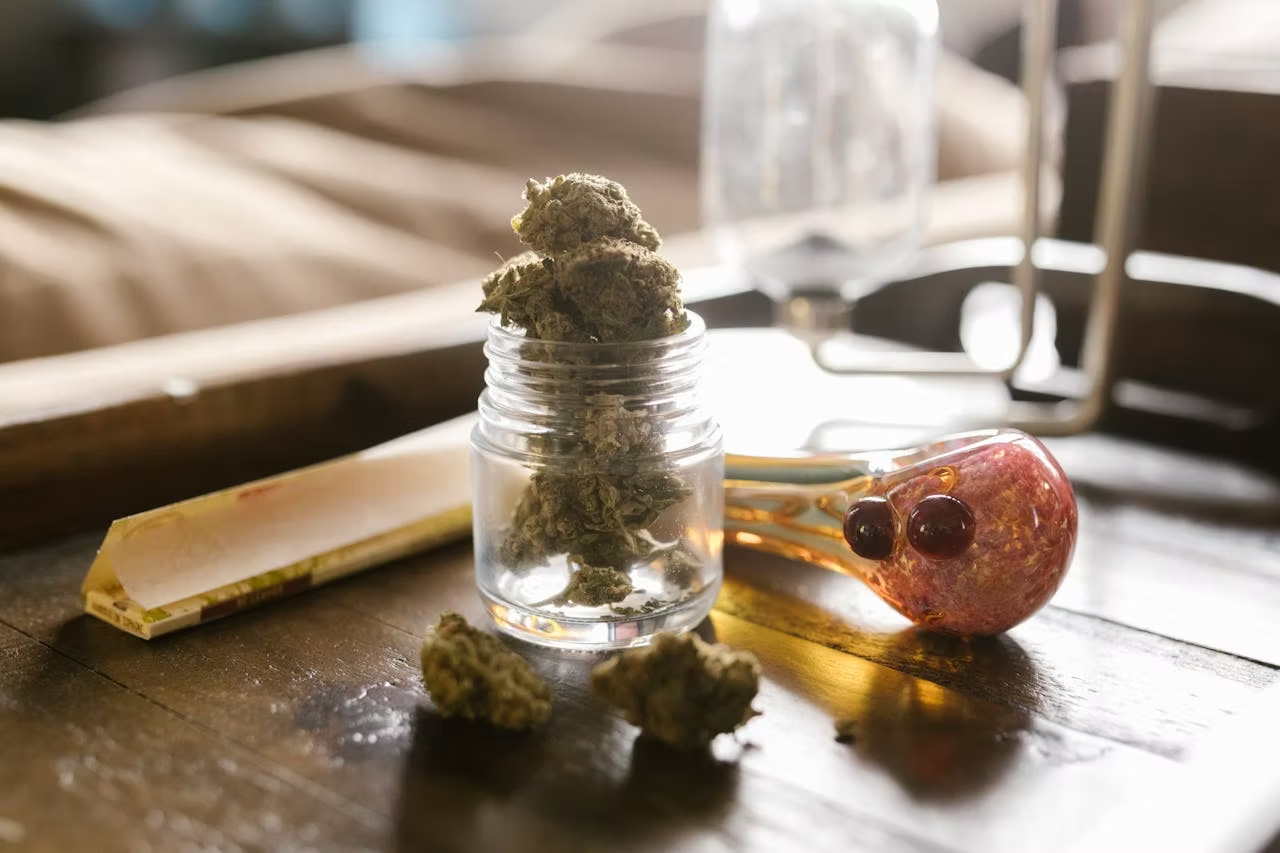
Comparing Solvent Vs Solventless Concentrates
Solvent and solventless cannabis extraction methods leverage distinct extraction techniques, influencing their purity, flavor, potency, price, and user experience.
Feature | Solvent-Based | Solventless |
Extraction | Chemical solvents (e.g., butane, ethanol) | Physical means (heat, pressure, ice water) |
Purity | May have residual solvents | Higher purity, no added chemicals |
Flavor | Can lose terpenes, sometimes altered | Retains trichome complexity, natural flavor |
Potency | Often very high | Can be high, depends on material |
Cost | Lower (higher yields) | Higher (labor-intensive, lower yield) |
Experience | Strong, convenient | Artisanal, close to plant profile |
1. Product Purity
Solventless cannabis extraction methods, including rosin and ice water extract, are highly regarded for their purity as these isolates avoid chemical solvents. In contrast, solvent-based products risk residual solvents like butane or ethanol. Even with modern extraction techniques, if not properly purged, trace residue can remain. This is why lab testing for residual solvent is essential for consumers, regardless of the brand’s reputation. Many users prefer solventless concentrates because they seek a product that remains true to the cannabis plant’s original form.
2. The Flavor
The flavor profile is a top reason many consumers choose solventless cannabis extraction. These products, like hand-pressed hash or live rosin, preserve terpenes through gentle extraction, maintaining the cannabis plant’s original aroma and taste. In contrast, solvent-based concentrates, such as shatter or distillate, often lose or alter terpenes during chemical processing. Some users report that the taste of solventless dabs is smoother and more complex. Artisanal hash and rosin are prized for delivering a nuanced, full-spectrum experience, while BHO extracts may appeal to those seeking bold, punchy flavors in their cannabis concentrates.
3. The Strength
Potency differs greatly in cannabis extraction methods. Solvent-based extracts achieve high THC or CBD levels, often over 80% by mass, while solventless cannabis extraction can yield equally strong products. Their potency and cannabinoid content depend on the quality of the raw material used. Solventless extraction techniques can effectively extract specific beneficial compounds, so consumers should check lab results for cannabinoid content and select based on their desired effect, whether it is a gentle, balanced high or a potent, rapidly acting experience.
4. The Cost
Solvent-based concentrates often run less expensive due to higher yields and efficient machinery, while solventless cannabis extraction methods, particularly those involving slow, hands-on techniques like rosin pressing, tend to command higher price tags because of labor and diminished yield. For consumers, investing in quality solventless extracts may lead to an even better, albeit safer, experience. Budget-conscious consumers can still seek out trusted manufacturers offering lower-quality runs, but lab testing for cannabis concentrates should remain non-negotiable.
5. The Experience
It’s a different experience depending on the product. Solventless cannabis extraction methods provide a clean, full-spectrum high that many find smooth and slow to hit. In contrast, solvent-based products can hit quicker and stronger, which is attractive to users looking for that fierce punch. Testimonials echo these preferences. Some folks revel in the ‘organic’ impact and craftsmanship of solventless rosin or hash, while others appreciate the punch and convenience of solvent-based wax or shatter. Taste, occasion, and health concerns all factor into finding your fit.
The Science Of Preservation
Preserving the fragile balance of cannabinoids and terpenes in cannabis concentrates is key to product quality. The science of preservation, from drying and curing to cutting-edge solventless cannabis extraction methods, helps active compounds stay stable and potent. These preservation decisions impact not just the shelf life of your concentrate but also the flavor and potency of the final cannabis products.
Cannabinoid Integrity
Cannabinoids are cannabis’ truest active ingredient, providing most of the effects users crave. Maintaining the integrity of these compounds is essential for both the medicinal patient and recreational user who depend on consistent strength and reliable effects. While solvent-based extraction methods using compounds like butane or ethanol can yield very potent concentrations of cannabinoids, mishandling or high temperatures can degrade these molecules and reduce potency. On the other hand, solventless cannabis extraction techniques, such as dry-sifting or ice water extracts, rely on physical separation and cooler temperatures. These methods can preserve a wider range of beneficial compounds, although they might occasionally yield less product.
Testing in certified labs validates real cannabinoid content, which is important for consumer confidence. Lab reports assist purchasers in steering clear of mislabeled or tainted products. When selecting concentrates, seek out those with transparent lab results, avoid anything that has been exposed to heat or light, and choose products packaged in airtight, opaque containers to minimize potency degradation.
The Terpene Profiles
Terpenes provide cannabis with its distinct smell and taste, and they influence the overall impact by working alongside cannabinoids. The manufacturing process of a concentrate greatly influences which terpenes survive. Solvent-based techniques can strip these delicate compounds if temperatures are too hot or solvents aren’t adequately purged. Solventless methods that forego harsh chemicals will often better preserve the plant’s entire terpene profile, producing more flavorful, more subtle experiences.
A potent terpene profile signifies that the concentrate not only smells better but may be more effective due to the “entourage effect,” where terpenes and cannabinoids act synergistically. For the most satisfying experience, buyers should seek out fresh, properly stored products that have lab-verified terpene profiles. Trying out various profiles can help you discover more pleasurable and efficient alternatives to your usual routine.
Safety And Transparency
Safety and transparency have become core values in the cannabis industry, particularly as an increasing number of consumers seek out clean, trusted products like solventless cannabis extraction. With cannabis concentrates, both solvent-based and solventless extracts, users should emphasize how products are created and the transparency that brands provide regarding their extraction methods. Product safety starts with the extraction process and extends to how companies disclose what’s in every batch.
The Residual Solvents
Residual solvents are residual chemicals left over after the cannabis extraction process, typically when butane, propane, or ethanol are used to create concentrates. Even at minimal concentrations, these chemicals may lead to health concerns like lung irritation or, in uncommon instances, toxicity. In fact, regulations in most countries and regions set limits for permissible solvent levels, with authorities frequently demanding ppm-level limits for each. Testing and enforcement can differ, so not all cannabis products are equally safe. Lab testing is the only way to be certain that these solvents are absent or low. Certified labs have gas chromatography and can test for even the tiniest substances. By opting for solventless cannabis extraction methods, which use heat, pressure, or ice water instead of chemicals, you take the risk of these residues out of the equation altogether. It’s why solventless options are a safer bet for health-conscious smokers.
Quality Testing
Lab testing is the industry’s primary means to verify the quality and safety of solventless cannabis extraction products. Tests may range from cannabinoid content and pesticide screening to terpene profiles, heavy metals, or microbes. Potency and purity are key data points, but verifying that there are no harmful contaminants lingering is also crucial. Only third-party lab results provide unbiased evidence of what’s inside. Brands that publish lab reports or QR codes with batch test results help purchasers make educated decisions, especially since inferior or contaminated raw ingredients can lead to unsafe or ineffective cannabis concentrates.
Label Reading
Concentrate labels can be heavy, but understanding what to look for matters. Ensure you’re always checking for cannabinoid percentages, extraction method (solventless cannabis extraction or solvent), and source material information. Labels should include storage tips, as mishandling can accelerate potency decline. If the extraction method was stainless steel, it’s usually safer than plastic-based systems. If information is absent or vague, contact the brand or retailer. Informed consumers are a force behind the demand for transparent labeling and truthful advertising.
Production And Environmental Impact
How you make cannabis concentrates affects more than just quality, it significantly impacts the environment as well. Mining’s energy use, waste, and scalability vary widely. Both solvent and solventless cannabis extraction methods have pros and cons that influence sustainability. The pot industry is tackling these concerns with more efficient and responsible models of production, including popular solventless extracts.
Energy Use
Solvent-based extraction typically requires high-powered equipment, such as closed-loop systems and vacuum pumps, that consume large amounts of electricity. Solventless methods like rosin pressing or ice water hash typically employ simpler machines and lower energy input. This can help make solventless options more appealing in areas where energy costs or carbon footprints are important.
A table below summarizes the main differences in energy use and sustainability:
Extraction Method | Typical Energy Use | Sustainability Factors |
Solvent-based | High (pumps, purging) | Hazardous solvents, risk of leaks, high throughput |
Solventless | Low to moderate | No chemicals, higher labor, often less energy needed |
Energy efficient is what producers need to be. Brands that invest in renewable energy or low-power technologies reduce emissions. Consumers can help by selecting products from companies with explicit plans for energy savings and green initiatives.
Waste Output
Solvent-based extraction generates chemical waste, such as spent solvents and contaminated water. These byproducts require special treatment to prevent soil and water contamination. The purging of residual solvents from extracts is sometimes resource-intensive and expensive.
Solventless extracts less toxic hazardous waste because it doesn’t use chemicals. It still produces organic plant waste, which unmanaged could add to landfill. A few producers compost leftover pulp or use it for secondary products, which reduces the environmental load.
Cutting edge companies utilize closed loop recycling or biodegradable packaging. Both demonstrate ways to reduce production waste and help define new norms in the industry.
Scalability
Solvent-based extraction easily scales up with automated systems and larger equipment. This facilitates high-volume production with uniform results, which can assist in reducing waste by getting the most out of raw materials.
Solventless methods encounter more barriers at scale. It’s hard to maintain quality with bigger batches, and it frequently requires more manual labor. These functional limitations can drive production costs, though continued progress in automation could help to overcome this.
With strong growth in solventless products, particularly among health-conscious consumers, backing scalable, sustainable practices in concentrate production helps craft a cleaner future for the industry.
Conclusion
There are advantages to solvent-based and solventless concentrates. Solvent-based ones deliver big yields and transparent flavors. Creators can mold the final product. Solventless varieties utilize some of the old-school techniques. They do not purge away as many plant parts, which some say makes for more flavor. They both require talent and attention. Safety remains paramount for both. Others gravitate toward the solventless for the cleaner process. Others choose solvent-based for volume and lower prices. Makers keep pushing both styles. To choose what is right, get informed and understand your needs. Sample both if you can. Allow your personal palate and principles to guide your decision. If you still have questions about extracts, tech, or trends, read more on the blog or reach out to Woodland Cannabis Dispensary anytime.
Frequently Asked Questions
1. What Is The Main Difference Between Solvent-Based And Solventless Concentrates?
Solventless cannabis extraction utilizes methods like heat, pressure, or ice water to extract beneficial compounds from the cannabis plant material, contrasting with solvent-based techniques that use chemicals like butane or ethanol.
2. Are Solventless Concentrates Safer Than Solvent-Based Ones?
Solventless cannabis extraction concentrates are often preferred by health-conscious consumers, as they eliminate chemical solvents, minimizing the risk of detectable solvent residue in the final product.
3. Which Type Preserves More Natural Flavors And Terpenes?
Solventless cannabis extraction techniques typically retain more natural flavors and terpenes, preserving the cannabis plant profile during the extraction process.
4. How Do Solvent-Based Concentrates Impact The Environment?
Solvent-based cannabis extraction methods may have a bigger environmental footprint due to the chemical extraction process. Proper disposal and safe handling of residual solvents are necessary to avoid pollution and accidents.
5. Are Solvent-Based Concentrates More Potent?
Solventless cannabis extraction methods tend to yield flavorful extracts, as they can preserve the natural aroma and beneficial compounds of the cannabis plant material.
Build Confidence With Cannabis Concentrates At Woodland Cannabis Dispensary
Want to feel confident choosing cannabis concentrates before you buy? Woodland Cannabis Dispensary makes it easy to understand what you’re getting and how it fits your goals. Our concentrates selection includes wax, shatter, live resin, live rosin, diamonds, and vape-ready options, all lab-tested and available in a range of potencies, textures, and terpene profiles. Whether you’re new to concentrates or dialing in your favorites, you’ll find options that match your experience level and desired effects.
Our team keeps it simple, breaking down extraction types, potency, terpene profiles, and best-use methods in plain language. Shop in-store for one-on-one guidance, browse the online menu anytime, or place an express order for quick pickup. With a strong focus on education, quality, and a relaxed shopping experience, Woodland Cannabis Dispensary helps you choose cannabis concentrates with clarity and confidence.
Disclaimer
The materials available on this website are for informational and educational purposes only and are not intended to provide medical or professional advice. You should consult with a qualified healthcare provider for advice concerning any particular medical issue or condition. Do not act or refrain from acting based on any content included on this site without seeking appropriate medical or other professional advice. The information presented on this website may not reflect the most current medical developments or practices. No action should be taken in reliance on the information on this website. We disclaim all liability for actions taken or not taken based on any or all of the contents of this site to the fullest extent permitted by law.
