
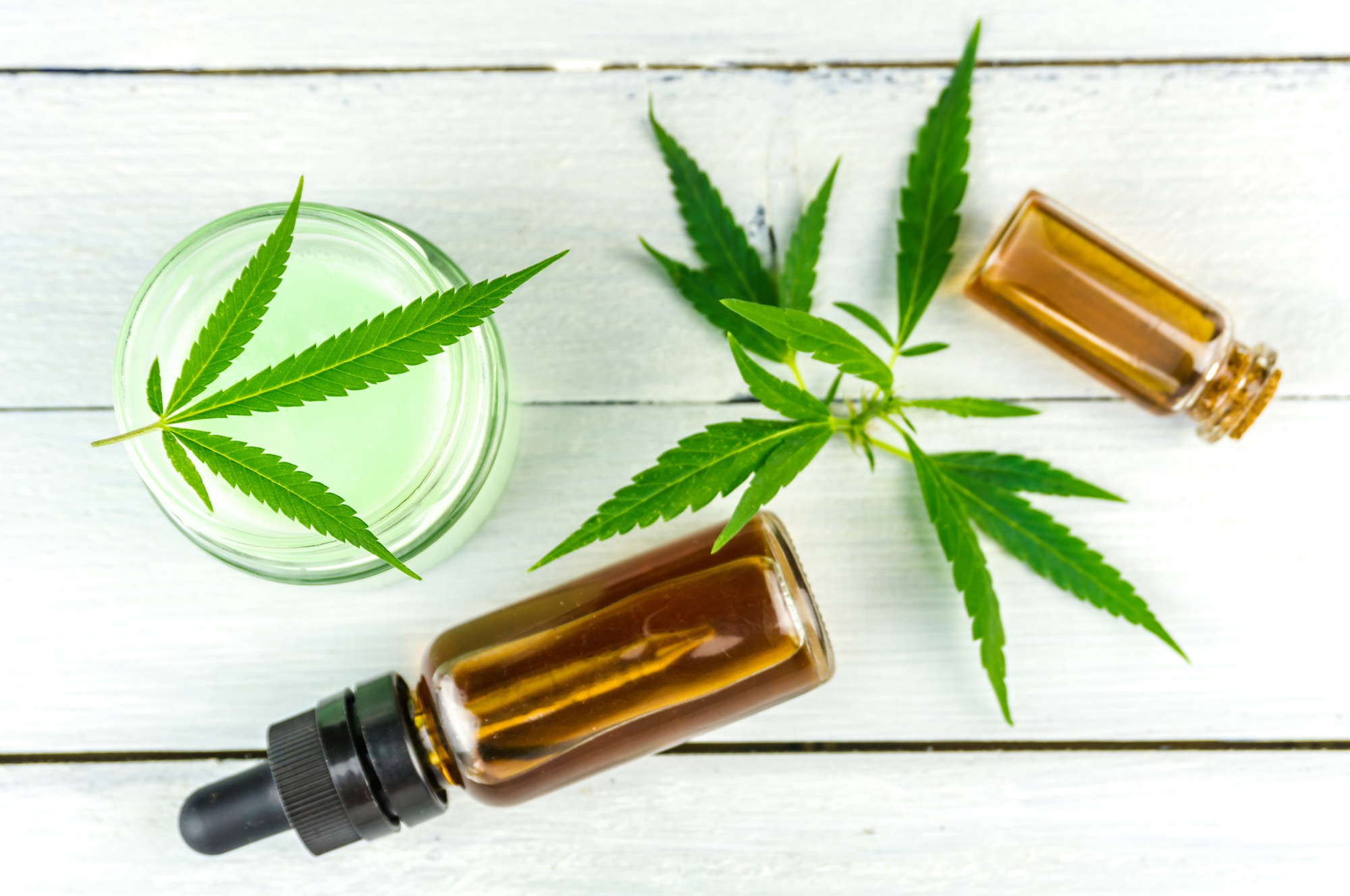
Cannabis topicals are creams, balms, oils, and lotions applied directly to the skin. They are infused with cannabinoids like THC or CBD, which interact with the body’s endocannabinoid system to support localized relief. Unlike inhaled or ingested cannabis, these products are designed to stay within the upper layers of the skin and typically do not produce psychoactive effects.
People commonly use them to help manage sore muscles, joint discomfort, dry skin, or irritation. Many formulations also include ingredients such as menthol, eucalyptus, or essential oils to enhance their soothing properties. If you’re looking for a simple, smoke-free way to incorporate cannabis into your wellness routine, topicals offer a convenient and targeted option. Below, we’ll explore how they work and what you can expect.
Key Takeaways
- Cannabis topicals provide non-intoxicating relief by applying cannabinoids directly to your skin. They are ideal for everyday health and targeted symptom relief.
- From creams to balms, oils, and even patches, there’s a topical for everyone and every occasion.
- Topicals work by engaging with skin receptors, offering localized benefits such as pain relief, decreased inflammation, and enhanced skin health without influencing the rest of your body.
- Pairing cannabinoids and terpenes in your topical can amplify the therapeutic effect thanks to the entourage effect, which can be especially useful for harder-to-treat conditions.
- Regular application, technique, and dosage are key to cannabis enjoyment.
- Your own body chemistry and product quality factor heavily into your results, so continue to experiment and choose reliable brands.
What Are Cannabis Topicals?
Cannabis topicals are skin products made with cannabinoids, including THC and CBD, designed for external use only. These topical products don’t cause a psychoactive effect, allowing you to wear one for relief without feeling high. Available in forms such as creams, lotions, balms, gels, salves, and patches, each type has its own formulation and application, with onset times of 15 to 30 minutes and durations of up to six hours. Topicals are particularly effective for targeted relief, addressing issues like achy joints, skin inflammation, or itching. Some are specifically designed to tackle skin disorders such as eczema or acne.
Today’s cannabis topicals can be personalized to meet your needs. Certain products focus on pain relief, while others target inflammation or skin health. They may be infused with various cannabinoid profiles; for example, a balm could combine THC and CBD, whereas a lotion might exclusively use CBD. This choice affects the potential health benefits you may experience, as CBD is often used for its calming properties, while THC can alleviate deeper aches. With a rich history dating back to ancient Egypt, topical cannabis products are gaining renewed interest in wellness and skincare, although it’s important to note that a 2022 study found many products are mislabeled, with over half containing more CBD than indicated.
Beyond The High
Cannabis topicals allow you to experience potential benefits without the intoxicating effects commonly associated with cannabis use. Because they are applied to the skin and generally do not enter the bloodstream in significant amounts, they are unlikely to produce a “high.”
CBD is commonly used in topical formulations for its calming and anti-inflammatory properties, while THC may contribute to deeper localized relief when included. These products are especially appealing for individuals who prefer to avoid psychoactive effects or who cannot consume cannabis through other methods.
As interest in wellness and self-care continues to grow, topicals have become a popular addition to daily routines. Many people use them for muscle recovery, skin hydration, or targeted relief after physical activity.
Topical vs. Transdermal
|
Feature |
Topical |
Transdermal |
|
Where it works |
Skin surface |
Through skin, into bloodstream |
|
Effects |
Local, targeted |
Systemic can affect the whole body |
|
Psychoactive risk |
None |
Possible, if THC is present |
|
Use case |
Pain, inflammation, skin issues |
Chronic pain, systemic relief |
|
Forms |
Cream, balm, gel, lotion, salve |
Patch, gel, specialized cream |
Topicals, such as CBD lotions and creams, work primarily on the upper layers of your skin, providing the perfect pick for direct relief. You can apply a balm to an aching elbow or a topical cannabis product to dry patches. These formulations don’t penetrate deep enough to reach your bloodstream, ensuring their effects remain localized.
Transdermal cannabis products, like patches, are designed to deliver cannabinoids all the way through your skin’s layers and into your bloodstream. This method can produce whole-body effects and even induce a high if you’re using THC. If you require relief for a chronic, diffuse problem, transdermal options may be a better fit.
For most everyday aches, minor injuries, or skin disorders, a topical product is typically the safer and more targeted method. Choose a transdermal if you want sustained body-wide impact, but be cautious of the potential psychoactive effect if THC is included.
How Cannabis Topicals Work
Cannabis-infused topicals interact with your skin’s endocannabinoid system to help manage discomfort, inflammation, and certain skin concerns. These products are designed to work on the surface and just below the skin, delivering targeted relief without causing intoxicating effects.
Available in forms such as creams, salves, lotions, and patches, each option is formulated to address specific needs while offering localized support.
1. Skin’s Receptors
Your skin contains CB1 and CB2 receptors, which are components of your endocannabinoid system. Cannabinoids like THC and CBD can bind to these receptors to help soothe pain and reduce inflammation directly where you apply the topical cannabis. Skin cells, such as keratinocytes and melanocytes, have these receptors. Once you apply a topical THC product, cannabinoids interact with these cells, providing relief from inflammation, itching, and even redness. Understanding the way these receptors operate lets you select the appropriate product for your specific use, particularly if you’re looking to alleviate pain or repair skin damage.
2. Localized Action
Topicals only work where you apply them, allowing you to experience pain relief or assistance with swelling without impacting your entire body. If you have sore muscles, stiff joints, or a rash, you can direct your topical cannabis products to exactly that area. There are fewer side effects compared to consuming cannabis orally. For optimal benefits, apply a thin layer of topical CBD and massage it in. Dosing and application are important because too much or too little alters effectiveness.
3. Cannabinoid Synergy
A lot of topical cannabis products blend CBD, THC, and other cannabinoids for an enhanced impact known as the entourage effect. When combined with other cannabinoids, these topical products are often more powerful, providing better pain relief or reduced inflammation. Others are specifically designed for issues like joint or muscle pain. For instance, if you are looking to assist with arthritis or chronic pain, seek out well-balanced topicals among cannabinoids.
4. Terpene Enhancement
Terpenes are fragrant oils in cannabis that provide aroma and can enhance the efficacy of topical cannabis products. Some, such as limonene and linalool, can assist in decreasing inflammation or soothing the skin. Selecting a product with specific terpene profiles allows you to tailor your experience, for instance, for pain relief or skin healing. It’s this perfect balance of cannabinoids and terpenes that creates a more rounded effect.
5. Carrier Ingredients
Carrier ingredients like coconut oil, shea butter, or aloe vera enhance the efficacy of topical cannabis products by allowing cannabinoids to absorb into your skin. These ingredients make the product smooth and soothing, relieving dryness or skin fissures. Good carrier oils are essential as they improve both the therapeutic benefits and sensation of topical application.
Exploring Topical Varieties
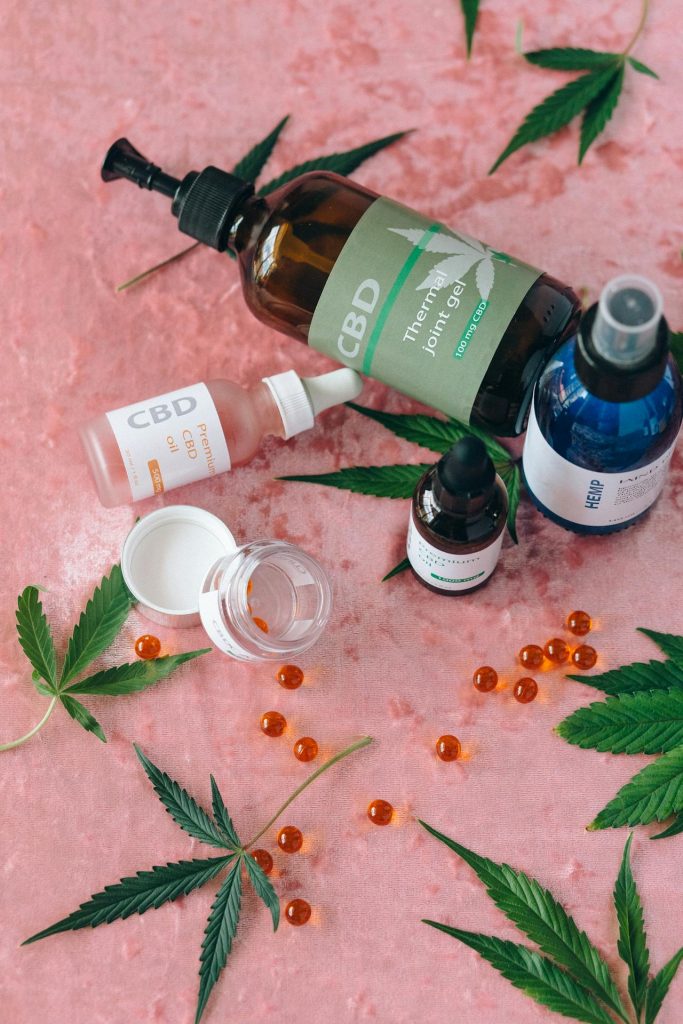
Cannabis topicals come in a wide range of options designed to meet different needs. Historically, cannabis-infused balms and salves were used to address pain and inflammation, and today’s formulations continue that tradition with more advanced ingredients and delivery methods.
These products are commonly used to help soothe sore muscles, calm irritated skin, and support recovery from everyday physical strain. You’ll find topicals with different cannabinoid profiles—some containing CBD, others THC, or a combination of both—each offering unique potential benefits.
Choosing the right type depends on your goals, whether that’s hydration, targeted relief, or longer-lasting support. Exploring different formats can help you find what works best for your routine.
Balms & Salves
Balms and salves are thick, dense, and cling to the skin longer than creams. Their surface allows you to focus the massage on trouble areas, such as knotted muscles or inflexible joints. The barrier they create helps seal in actives, enhancing relief and promoting skin health.
For those with persistent pain, arthritis, or sore joints, balms and salves make an excellent option. Many folks take them for morning and bedtime relief, as the effects can last for up to six hours.
Oils & Serums
Oils and serums provide you with a potent, quick-acting alternative. They absorb fast and allow you to spot, treat, or incorporate them into your skin care. You can even incorporate a few drops into your daily moisturizer or massage oil into post-workout sore muscles.
Their flexibility allows you to tailor both the intensity and location of your application, which is ideal for both generalized and targeted relief.
Patches
Patches give you a dose of cannabinoids through your skin, slow and steady. They’re phenomenal if you’re after all-day relief. Some patches continue working for as long as 12 hours. You simply slap one on and get on with your day.
If you need a quick, mess-free option or want to tackle pain or inflammation without reapplying creams, patches can help keep symptoms at bay without the spotlight.
Potential Therapeutic Uses
Cannabis topicals are gaining significant attention lately, thanks to their non-intoxicating effects and straightforward application methods. These topical cannabis products allow you to target specific areas on your body without the psychoactive effects associated with consuming or smoking weed. Here’s how these topical CBD and THC products can enhance your well-being and how to incorporate them into your self-care.
- About: Possible Medicinal Applications
- Research indicates that topical cannabinoids can lighten inflammatory skin conditions such as eczema, acne, or psoriasis.
- Cannabinoids in topicals exhibit antimicrobial impacts, which could aid in controlling some skin infections.
- THC and CBD topicals are being considered for potential therapeutic applications, including migraines, neuropathic pain, and joint stiffness.
- A lot of users incorporate cannabis topicals into their wellness routines, pairing them with habits like exercise, sleep, and nutrition.
- You want to align your topical with your needs, as different products have different potencies, ingredients, and effects.
- Trying out different approaches allows you to discover what’s most effective for your specific condition.
For Pain
Cannabis topicals, such as CBD lotions and THC creams, are effective for local pain relief, targeting issues like sore joints from arthritis or overworked muscles. When applied topically, these products can reduce symptoms without entering your bloodstream significantly, so you won’t feel high. This makes them a preferred option for those wishing to avoid psychoactive effects. The cannabinoids in these topical cannabis products attach to skin receptors, inhibiting pain signals and alleviating discomfort where needed. You may want to experiment with various formulations, such as balms, patches, or oils, to find which provides the most effective relief.
For Inflammation
Others utilize topical cannabis products to reduce inflammation from eczema or psoriasis. The anti-inflammatory properties are due to cannabinoids and terpenes, both present in these topical products. These substances can assist in soothing inflammation or itching, leading to less swelling or irritation. If you suffer from skin flare-ups, scan the label for ingredients that have clinically verified anti-inflammatory properties. This can assist you in choosing a formula that fits your requirements.
For Skin Health
Cannabis topicals can be taken to promote skin health, with topical CBD or hemp oil products increasing moisture and repairing damaged skin. Even more promising are the potential health benefits of these topicals, which often contain antioxidants to protect against stress from the sun or pollution. Reports indicate benefits for acne-prone skin or dry patches, making a cannabis topical an excellent addition to your routine for keeping skin smooth and healthy.
Your Application Ritual
Establishing a consistent ritual with topical cannabis ensures you maximize the benefits of every application. A schedule provides you with more consistent days off and allows you to hear your body. Mindfulness—focusing on the moment for each stage—can make the process more soothing and even enhance the effect of the topical products on you. From topicals for muscle aches, skin care, or joint pain, the right ritual fits your lifestyle and goals. Every day, particularly as a morning and bedtime ritual, is typical and tends to create the most powerful effects.
The Right Amount
Start with a small amount—typically a pea-sized portion—and apply it to the affected area. You can gradually increase the amount as needed based on how your body responds.
Keep in mind that product labels often list total cannabinoid content (e.g., 500 mg or 1000 mg per container), not the amount per application. Because of this, the effective dose can vary depending on the size of the area and the product’s formulation.
Factors such as skin type, body chemistry, and the severity of your symptoms can all influence how much you need. After applying, allow at least 20 to 30 minutes to assess the effects before reapplying. Some people find relief with a single application, while others may benefit from more frequent use throughout the day.
The Right Technique
Wash the spot off with gentle soap and warm water to remove any oils or grime, as this helps your skin absorb the topical cannabis more efficiently. Dip the cream or balm into your palm, warm it up, and massage it into your skin with slow, firm circular motions. Make sure to massage for a minimum of 60 seconds to assist the active ingredients soak in, particularly over tight muscles or joints, enhancing the therapeutic benefits.
The Right Frequency
- Chronic pain or arthritis: apply every four to six hours
- Sports injuries, sprains, or sore muscles: morning and bedtime, and after heavy use
- Skin irritation or itch: symptoms may occur up to three times per day.
Commit to your routine with topical cannabis products, as that’s your best chance at lasting relief. While most experience effects for up to six hours, some individuals will require more frequent reapplication of their topical CBD or THC products depending on the severity of their symptoms or how their skin responds. If you feel pain returning earlier, adjust the timing to fit your day and needs.
The Unspoken Variables
How cannabis topicals, such as topical CBD and THC products, work for you is not a cookie-cutter affair. Many factors influence how your body absorbs and utilizes these topical products, including your skin type, body chemistry, and health needs. These little things all change how effective a topical cannabis product is for you, so keep an open mind when you experiment!
Your Unique Body
Your body’s chemistry is unique to you, which is particularly important when using topical cannabis products. Factors such as your skin’s natural barrier, how oily or dry your skin is, and even your natural pH can affect how much of the product your skin absorbs. Individuals with thinner skin or certain health conditions may experience effects from topical CBD sooner or more deeply. Genetics play a significant role in how your body responds to cannabinoids, and for some, a heavy dose of topical THC products is necessary for relief, while others find that a little goes a long way.
Your lifestyle may matter as much as your genes when it comes to the effectiveness of topical application. If you’re active, your blood flow and hydration can accelerate or decelerate the absorption rate of the topical products. Onset for most is rather rapid, with relief from pain or inflammation often felt within 15 to 30 minutes. Some users may also find respite from skin conditions such as eczema and acne, although results can be inconsistent. To optimize your regimen, keep a minimalist log of what you take, how much, and how you feel, aiding in identifying the most effective tactics and their impact on your performance.
Product Quality
Not all cannabis topicals are created equal. High-quality products are typically made with carefully sourced ingredients and undergo proper processing to preserve their effectiveness.
Factors such as how the cannabis is grown, extracted, and formulated can all influence the final product. Reputable brands often provide transparent labeling, third-party lab testing, and clear ingredient lists so you know exactly what you’re using.
Choosing well-made products can make a noticeable difference in both safety and results, especially when using topicals regularly.
Realistic Expectations
Topicals aren’t magic; while they can provide therapeutic benefits for pain, swelling, or skin problems for up to six hours, they may not replace your primary therapies. What works for one person may not work for you, and even the same topical cannabis product can yield different results on two individuals. Prepare for experimentation with various topical CBD formulations. If you don’t see the desired result initially, consider switching up the variety or brand, as these products can complement your care, not replace it.
Conclusion
Cannabis topicals offer a practical, targeted way to support skin health and manage everyday discomfort. Whether in the form of creams, balms, oils, or patches, these products are designed to work directly where they’re applied—without producing intoxicating effects.
With a variety of formulations available, it’s important to choose products with clear labeling, quality ingredients, and cannabinoid profiles that match your needs. Starting with a small amount and adjusting based on your response can help you get the most out of each application.
As with any wellness product, results may vary. If you’re unsure where to begin or have specific concerns, consulting a knowledgeable professional or licensed retailer can help guide your choices and ensure a safe, effective experience.
Frequently Asked Questions
What are cannabis topicals?
Cannabis topicals, such as CBD lotions or THC lotions, are balms or lotions infused with cannabis extracts applied to the skin for localized effects.
How do cannabis topicals work on your body?
Topical cannabis products stimulate your skin’s cannabinoid receptors, delivering relief to targeted areas without entering your bloodstream, thus avoiding psychoactive effects.
Can cannabis topicals make you feel high?
No, topical cannabis products won’t get you high. They operate locally on the skin and are unlikely to reach the bloodstream in significant amounts or produce psychoactive effects.
What types of cannabis topicals can you find?
Within these categories, you’ll discover topical cannabis products like lotions, balms, and salves, which come in various consistencies and absorption rates to suit your needs.
What are the main benefits of using cannabis topicals?
Topical cannabis products effectively relieve pain, inflammation, and skin irritation, focusing on localized therapeutic benefits without affecting the entire body.
How should you apply cannabis topicals?
Prep the area first. Next, rub the topical cannabis product into your skin. Apply as labeled.
Are there any factors that affect how cannabis topicals work?
Indeed, factors such as your skin type, the product’s ingredients, and the cannabinoid content in topical cannabis products can all impact efficacy. Be sure to read the label and begin with a small quantity.
Feel Targeted Relief With Cannabis Topicals At Woodland Cannabis Dispensary
Looking for a simple, effective way to relieve pain or tension without smoking or ingesting cannabis? At Woodland Cannabis Dispensary, our cannabis topicals are designed to deliver focused relief exactly where you need it. From soothing creams and balms to fast-absorbing lotions, these products work directly on the skin to support comfort, recovery, and everyday wellness.
Whether you’re dealing with sore muscles, joint discomfort, inflammation, or skin irritation, topicals make it easy to stay in control. Choose from THC, CBD, or balanced formulas, each crafted for consistency and backed by third-party lab testing, so you know exactly what you’re using every time.
Not sure which product is right for you? Our team is here to help. We’ll walk you through your options, explain how each topical works, and guide you toward the best fit for your needs and routine.
Stop by our Woodland location or browse our online menu for quick, convenient pickup. At Woodland Cannabis Dispensary, getting targeted relief is simple, reliable, and tailored to you.
Disclaimer
The materials available on this website are for informational and educational purposes only and are not intended to provide medical or professional advice. You should consult with a qualified healthcare provider for advice concerning any particular medical issue or condition. Do not act or refrain from acting based on any content included on this site without seeking appropriate medical or other professional advice. The information presented on this website may not reflect the most current medical developments or practices. No action should be taken in reliance on the information on this website. We disclaim all liability for actions taken or not taken based on any or all of the contents of this site to the fullest extent permitted by law.
