
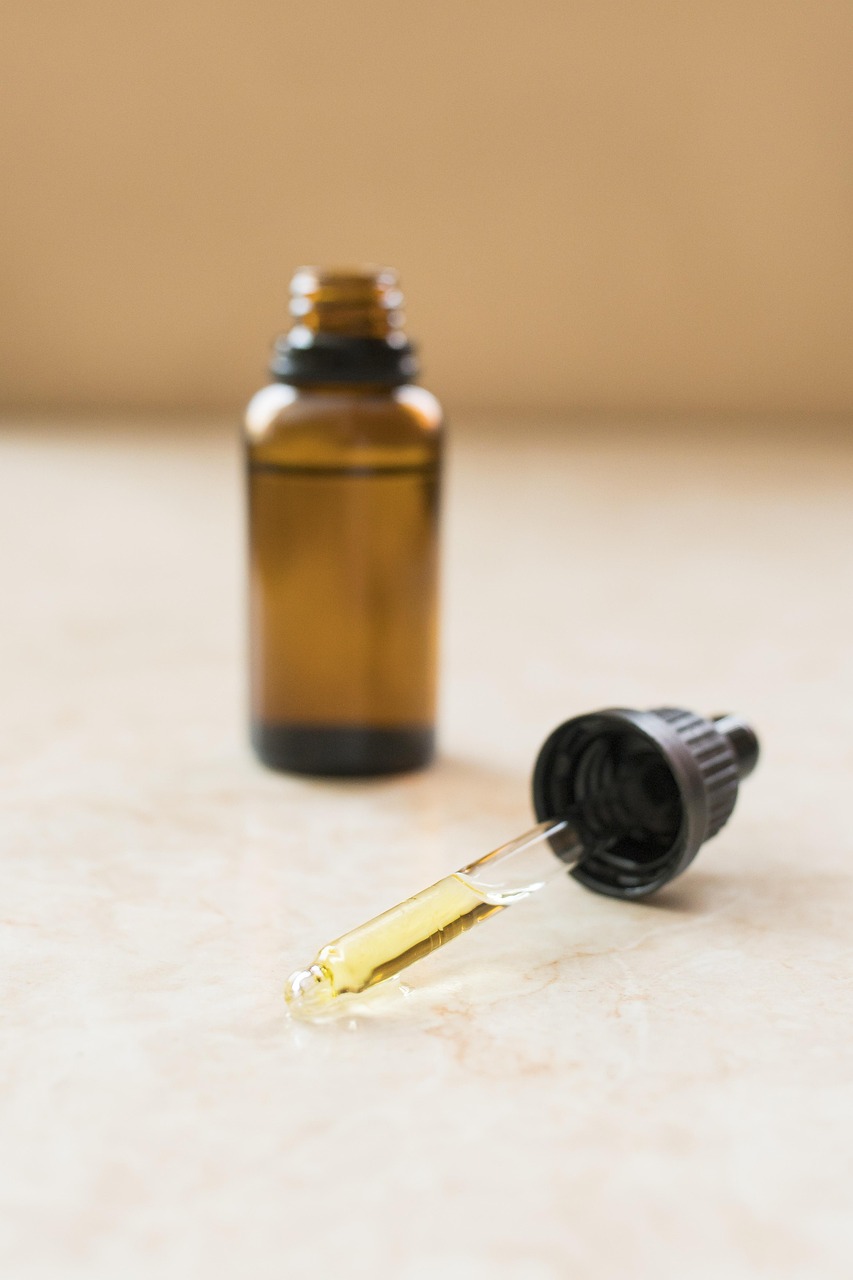
Top cannabis tinctures for anxiety, insomnia, and pain are liquid concentrates formulated to address anxiety, insomnia, and pain. We all love a good tincture for calm and relief. They’re super-easy to take and do. Most blends utilize CBD or THC, or a blend for optimal balance and efficacy. Brands display lab tests and transparent labels so consumers understand what they’re receiving. A few tinctures include herbs or flavors for taste and additional benefits. Most users desire quick-acting and gentle effects for daily use. For newcomers to tinctures or wanting to change things up, understanding the top picks and how each operates can provide relief and clarity.
Key Takeaways
- Cannabis tinctures provide a dose-controlled, discreet, and fast-acting wellness solution for anxiety, sleep, and pain among other things across the globe.
- By knowing how to interpret tincture makeup from cannabinoid profile and spectrum type to terpene synergy and carrier oil and extraction method, you can select the most effective product for your specific goals.
- Choosing tinctures with customized cannabinoid and terpene profiles can optimize focused effects like soothing anxiety, inducing sleep, or alleviating pain.
- Creating a dosage plan that begins with low doses and increases gradually while maintaining a journal can help you get the most out of tinctures in the safest way possible.
- With mindful timing and consistent use, incorporating tinctures into your daily routine can help you get the most out of their benefits, particularly when combined with other wellness rituals.
- We ask that our readers look for quality tinctures made with safe extraction methods and seek medical advice for personalized recommendations, particularly when addressing chronic or severe conditions.
Why Choose Tinctures?
Cannabis tinctures are one of the most effective and flexible liquid extracts around. Why choose tinctures? Because these products provide higher levels of plant compounds than water-based extracts, making them a potent option for individuals looking for relief from anxiety, sleep issues, or pain. Tinctures are noteworthy because they integrate effortlessly into your daily lifestyle, either on their own or stirred into meals and beverages.
- Rapid onset: Relief can begin in 15 to 45 minutes and last 4 to 6 hours.
- Discreet and portable: easy to carry, odorless and simple to use.
- Precise dosing: Adjust intake drop by drop to meet personal needs.
- Versatile: works well for both daytime and nighttime use
- High bioavailability: Sublingual absorption is more effective than swallowing capsules.
- Suitable for sensitive users: an option for those with allergies to certain oils or alcohol.
Precise Dosing
Tinctures are delivered in dropper bottles, giving users precise control over consumption. You’re able to dose exactly the amount you need without the risk of overuse. It’s simple to begin with a low dose and raise it incrementally, which is beneficial for beginners or users with fluctuating requirements. Tracking effects makes it easy to dial in your personal dosing strategy, adapting as your body changes. More and more, people are finding this method less daunting than other forms of cannabis, especially when trying to handle stress or pain in a controlled manner.
Faster Relief
Method | Onset Time | Duration |
Tinctures | 15–45 min | 4–6 hours |
Edibles | 45–120 min | 6–8 hours |
Capsules | 30–90 min | 6–8 hours |
Inhalation | 2–10 min | 2–4 hours |
They work faster than edibles or capsules. They’re absorbed sublingually (under the tongue), and effects begin within minutes, which makes tinctures handy during acute anxiety or pain. This rapid onset is particularly crucial for patients in need of fast relief, such as prior to a stressful situation or therapy. A lot of people find tinctures to provide just the right amount of calm to make cognitive behavioral tricks stick.
Discreet Use
They’re easy for users to take in public without raising suspicion. They have no scent, unlike smoking or vaping, so they pair great with on-the-go or office use. The packaging is small, allowing you to store a bottle in a bag or pocket. Tinctures preserve discretion while tending to wellbeing needs, too, providing both ease and confidence.
Decoding Cannabis Tinctures
Cannabis tinctures are liquid extracts that allow for precise dosing and rapid absorption. Their allure is in versatility, from microdosing to custom mixes for anxiety, sleep, or pain. To use cannabis tinctures effectively and safely, it is important to understand tincture properties and formulations.
Terpene Synergy
Terpenes impact the aroma, taste, and potency of tinctures. Linalool and myrcene are associated with relaxation and sleep. Beta-caryophyllene might assist with pain or stress. The right terpene blend can enhance anxiety relief or sleep. Terpenes mix with cannabinoids, boosting or tempering their impact. The top tinctures list terpene content, so you can tailor the blend to your needs.
Extraction Method
CO2 extraction delivers clean, potent tinctures without chemical residue. Ethanol extraction is safe, preserving a wide profile of cannabinoids and terpenes. Good tinctures list their process, as this affects potency and safety. Stay away from anything heated past 60ºC (140ºF), which can degrade cannabinoids.
Cannabis Tinctures for Anxiety
Cannabis tinctures are liquid extracts designed to provide cannabinoids and terpenes in a precise, dosed amount. If you’re looking for anxiety relief, these tinctures provide a versatile delivery method with a fast onset and great shelf life. They are specially formulated for unique needs, utilizing different cannabinoid ratios and terpene profiles. Folks go with tinctures to avoid smoking because you can feel something within 15 to 45 minutes when dropped sublingually. Most users begin with 10 to 25 mg CBD, but your individual requirements shift this spectrum.
Calming Cannabinoids
CBD is the cannabinoid most commonly associated with anxiety relief. Its non-intoxicating nature makes it preferred for daytime use and for those who want to avoid the psychoactive effects of THC. CBG, while less researched, is rising in popularity for its softer soothing qualities and appears in formulas labeled as relaxing. A few tinctures with low-THC, about 0.3% or less, offer mild relaxation without impairment. This is a great option for those who need to be on point at work or out socially.
Varying the CBD, CBG, and THC ratios can alter the experience. For example, a tincture with a ratio of 20 parts CBD to 1 part THC is soothing with minimal psychoactivity, while a tincture with a 1 part CBD to 1 part THC ratio may be better for those needing stronger effects but with some risk of mild intoxication. Begin low, using 1 to 2 drops, and wait at least an hour before increasing.
Soothing Terpenes
Terpenes are aromatic compounds that can enhance the relaxing effects of cannabinoids. Linalool, like the kind found in lavender, along with myrcene, found in hops, are both relaxing. Limonene is another terpene that can uplift mood and relieve tension. When terpenes like these mingle in tinctures, they can target anxiety more directly. Several tinctures now publish their terpene profiles, which can assist patients in selecting the right tincture for their symptoms. Opting for tinctures with these profiles and incorporating them into a daily regimen can provide more consistent relief. Terpenes are most effective in combination with cannabinoids and with regular use.
My Personal Approach
I’ve experimented with tinctures that have different cannabinoid and terpene profiles, and each creates a different impact. Certain formulas worked more for social anxiety, while others worked for general stress through hard workdays.
Finding the right tincture takes time. More often than not, it requires sampling a few formulas and doses to determine what’s optimal. I still begin at a low dose, monitor results in a notebook, and make gradual weekly adjustments.
Consistency counts. Effects are usually most potent and consistent after one or two weeks of daily use. I suggest journaling your own outcomes to identify patterns and optimize.

Tinctures for Better Sleep
Cannabis tinctures have become a go-to for better sleep with precise dosed quantities and longer durations. Dosed sublingually, tinctures generally kick in within 15 to 45 minutes and can persist for 4 to 6 hours, which is helpful for those who awaken in the night or desire consistent sleep support. A variety of tinctures exist to address your body’s natural melatonin cycles, enabling you to drift into a deep sleep, stay snoozing, and wake up refreshed.
Popular Sleep Tincture Formulations
Sleep-focused tinctures typically include combinations such as:
- CBD + CBN blends
- Full-spectrum high-CBD formulas
- High-CBN with minimal THC oils
- CBD combined with melatonin
- Balanced CBD:CBN:THC mixes
These formulations are designed to support different sleep needs, from falling asleep quickly to sustaining restorative sleep throughout the night.
Restful Cannabinoids
Cannabinoids like CBD and CBN help soothe the mind and alleviate late-night anxiety, promoting restorative sleep. CBN is particularly known for its sedative effects and is often combined with CBD to enhance relaxation. Some tinctures contain modest levels of THC, which can affect REM sleep but may increase deeper, restorative sleep phases in chronic cases. Full-spectrum tinctures mix these cannabinoids with trace compounds, occasionally improving sleep support via the entourage effect. The cannabinoid mix can be tailored to individual needs: CBD-heavy for those sensitive to THC or balanced ratios for deeper, longer sleep.
Sedative Terpenes
Certain terpenes are known to aid in relaxation and sleep onset. Linalool (lavender) and terpinolene have calming effects, while nerolidol is a natural sleep aid with sedative properties. Combined with cannabinoids, these terpenes may enhance sleep by alleviating tension and reducing stress. This synergy often makes full-spectrum tinctures more effective than isolates.
Your Nightly Ritual
To maximize the benefits of tinctures, incorporate them into your pre-sleep routine. Begin with a small dose, such as 0.25 ml, about 30 minutes before bedtime, and wait at least 45 minutes before a second dose if needed. Some users mix tinctures into a warm beverage or include them in a post-workout or relaxation ritual. Pairing tincture use with good sleep hygiene habits, such as dimming lights, reducing screen time, and practicing mindfulness, can further enhance their effectiveness.
Cannabis Tincture for Pain
Cannabis tinctures for pain are popular due to their rapid onset, dosing flexibility and extended shelf life. These liquid extracts, held under the tongue for 30 to 60 seconds, seep directly into the bloodstream and work fast. Relief often comes within 15 to 45 minutes. For those suffering from chronic or acute pain, the dosage control and lack of inhalation make tinctures a tempting choice. They last four to six hours, and if stored away from heat and light, tinctures keep for years. Sublingual is ideal, but low doses in the beginning, especially with THC, minimize unwanted effects and help users find their sweet spot.
Analgesic Cannabinoids
CBD and THC are the most recognized for their ability to combat pain. THC microdoses of 1-2.5 mg blunt severe pain without overpowering psychoactivity. This is especially true in cases like neuropathy or arthritis where pain is chronic and difficult to manage. CBD relaxes inflammation and relieves pain associated with muscle soreness or injury. When combined into a formula, both cannabinoids can potentially be synergistic and amplify one another’s potency. Formulas with a balanced CBD to THC ratio are preferred by users who want both clarity and relief.
Certain tinctures are formulated with specialized cannabinoid ratios for particular pain profiles. For example, a one-to-one CBD to THC product may help those with both chronic aches and inflammation, while a high-CBD, low-THC option may be better for those sensitive to THC’s effects. The correct ratio is frequently a factor of pain source and intensity, as well as personal tolerance.
Anti-inflammatory Terpenes
- Myrcene
- Beta-caryophyllene
- Limonene
- Pinene
- Humulene
Terpenes, of course, do more than scent and flavor. They reduce inflammation and enhance cannabinoid activity as well. Tincture with myrcene or beta-caryophyllene can help relieve pain, particularly when inflammation is a factor. Formulators like to mix these terpenes with cannabinoids for more synergy. Supplementing your daily wellness routine with tinctures infused with anti-inflammatory terpenes can help promote long-term comfort.
Targeted Relief
Certain tinctures are customized for pain types, like joint or muscle pain. For muscle aches, balanced cannabinoid and terpene-infused tinctures, such as those containing limonene, can be taken sublingually or even applied topically for targeted relief. Joint pain might work with higher CBD tinctures combined with PT or other pain management techniques. Regular dosing at the same time each day keeps comfort balanced. Do not heat tinctures over 60°C as this can make them less effective. Try to avoid fats around dosing to help absorption. Tinctures slot perfectly into larger pain management plans, providing convenient, controllable relief.
Your Personal Dosage Guide
Cautious cannabis tincture dosing is key to safety and results. Everyone reacts differently, depending on your body chemistry, the strength of the product, and your reason for using it, whether it is calming nerves, sleep, or pain. Your own personal dosage schedule, founded on patience, journaling, and medical supervision, provides the most likely path to consistent success. The checklist below outlines each step for crafting a unique strategy:
- Please see your healthcare professional before the initiation or modification of your regimen.
- Begin with a low dose, particularly if you’re not familiar with cannabis.
- Just small accuracy with a standard dropper of 1 ounce, which is around 30 milliliters.
- Calculate dosage: Total THC in milligrams divided by bottle milliliters equals milligrams per milliliter.
- Consume at the same time each day and retain drops under the tongue for 30 to 60 seconds.
- Don’t even think about a second dose until you have waited 45 minutes.
- Document every session and note effects and side effects.
- Adjust only after several days of steady results.
Keep a Journal
Journal your experiences — what product, how much, when you took it, how you felt. List any side effects, good or unwanted. Tracking this data over days or weeks allows you to notice trends and adjust your dose with exactness. Others discover that exchanging tips with comrades in cyber or support circles provides an additional degree of education. Your journal turns into not only your own dosage guide but a valuable reference for other tincture explorers.
Conclusion
To choose the right cannabis tincture, understand what you’re trying to remedy. A lot of people take these drops to relieve anxiety, sleep more, or reduce pain. Each type works its own magic, and each body responds in unique ways. Start slow, observe how you feel, and monitor your sleep or pain fluctuations. Check labels for transparent dose information and lab reports. Consult a healthcare professional if you have significant health concerns or are on medication. Tinctures are popular among many people during the evenings to help relax or before bed for sleep. Tell us your stories or tips below. Your voice guides the rest of us to what works. Be careful and make every step count.
Frequently Asked Questions
What are cannabis tinctures?
Cannabis tinctures are liquid extracts derived from cannabis plants. They are typically administered under the tongue for rapid and convenient absorption.
Are tinctures effective for anxiety?
The effects vary based on the cannabinoid variety and dosage.
Can cannabis tinctures help with sleep?
Some tinctures, particularly those with more CBD or indica, can support sleep. They are frequently selected for their sedative properties.
How do tinctures relieve pain?
Cannabis tinctures can reduce pain as they interact with the body’s endocannabinoid system. They provide a quick-acting option compared to other types of cannabis.
How should I dose a cannabis tincture?
Begin with a low dosage, like 1 ml, and enhance gradually. Everyone’s tolerance is different, so keep an eye on your body.
Are tinctures safe to use?
Cannabis tinctures are usually safe when used as directed. Talk to a doctor before beginning, especially if you’ve got health concerns.
How long do the effects of tinctures last?
The impact of cannabis tinctures typically kicks in within 15 to 45 minutes and can endure for hours, depending on the dose and individual metabolism.
Experience The Power And Precision Of Cannabis Tinctures At Woodland Cannabis Dispensary
\Want a cleaner, more controlled way to enjoy cannabis? At Woodland Cannabis Dispensary, our premium cannabis tinctures give you exactly that, fast-acting, easy-to-dose, and completely smoke-free. Just a few drops under the tongue or mixed into your favorite drink, and you’re on your way to a smooth, predictable experience.
Whether you’re winding down after a long day, improving sleep, easing discomfort, or staying balanced throughout your routine, tinctures make it simple to dial in the results you want. Choose from THC, CBD, or perfectly balanced blends, all crafted for consistency and backed by third-party lab testing so you can trust every drop.
Not sure what fits your goals? That’s where we come in. Our team takes the time to understand what you’re looking for and helps you find the right tincture and dosage without the confusion.
Stop by our Woodland location or browse our online menu for quick, convenient pickup. At Woodland Cannabis Dispensary, finding your ideal cannabis experience is straightforward, reliable, and tailored to you.
Disclaimer
The materials available on this website are for informational and educational purposes only and are not intended to provide medical or professional advice. You should consult with a qualified healthcare provider for advice concerning any particular medical issue or condition. Do not act or refrain from acting based on any content included on this site without seeking appropriate medical or other professional advice. The information presented on this website may not reflect the most current medical developments or practices. No action should be taken in reliance on the information on this website. We disclaim all liability for actions taken or not taken based on any or all of the contents of this site to the fullest extent permitted by law.
