
To choose the right cannabis topical for your lifestyle and needs, you need to know your goals, skin type, and frequency of use. Cannabis topicals are available in various forms, including creams, balms, and oils, containing different combinations of cannabinoids like CBD or THC. Some use them for muscle aches, some for skin issues, and some for everyday comfort. Focusing on added scents, texture, and THC content can assist you in selecting a product that complements your lifestyle. Determining whether you want a fast-absorbing gel or a thick balm plays a role. Reading labels and searching for third-party lab testing brings safety. The following points describe the important considerations to help pair a topical with your needs.
Key Takeaways
- Cannabis topicals provide targeted, non-psychoactive relief that caters to a wide range of lifestyles and requirements across the globe.
- Choosing the right product is all about evaluating your objectives, learning about cannabinoid compositions, and selecting formulas that fit your lifestyle and desired application methods.
- Base ingredients like carrier oils, waxes, and essential additives matter, as they impact absorption, skin compatibility, and effectiveness.
- Incorporate cannabis topicals into your day-to-day life for sustained advantages, whether for pain relief, skin nourishment, or post-workout rejuvenation, and customize application to your personal rhythm and lifestyle.
- Maximize effectiveness by following proper application techniques, conducting patch tests for sensitivity, and monitoring onset and duration to adjust your regimen.
- No matter where you are, be sure to check product labels for ingredient transparency, manufacturing standards, and usage warnings.
Understanding Cannabis Topicals
Cannabis topicals are designed to provide relief or manage pain directly on the skin, with no intoxicating effects. These topical cannabis products come in various forms, such as creams, balms, salves, lotions, and oils, each with their own specific use. Infused with CBD or THC, the two primary cannabis cannabinoids, these products cater to different needs. CBD topicals, derived from hemp, contain under 0.3% THC and are non-psychoactive, while THC creams can produce a psychogenic effect, though this is unusual for most topicals. Their chief draw lies in the capacity to provide rapid, localized relief, often experienced within 10 to 30 minutes and lasting up to 3 hours. The endocannabinoid system, a network of receptors in the skin, is crucial for the mechanism of these topical products, allowing cannabinoids to specifically target pain, inflammation, or skin problems.
Focused Pain Relief
Topical Type | Main Use | Onset Time | Typical Duration | Psychoactive? |
Cream | Moisturizing | 10-30 min | 1-3 hours | No |
Balm | Deep joint relief | 10-20 min | 1-2 hours | No |
Lotion | Light hydration | 10-15 min | 1-2 hours | No |
Salve | Focused pain | 10-30 min | 1-3 hours | No |
Oil | Massage therapy | 10-30 min | 1-3 hours | No |
THC and CBD both alleviate pain when applied to sore areas, such as joints or muscle tension. Patients suffering from arthritis or neuropathy frequently reach for cbd topicals to relieve day-to-day pain. For inflamed skin, a balm with a high CBD level can calm irritation without mind-altering side effects. The relief is related to how much topical cannabis is in the product, as more cannabinoids can provide more powerful, longer relief.
Transdermal Effects
Transdermal patches differ from other topicals in that they penetrate through the skin directly into the blood. The impact disseminates through the body, not just where you slap the patch.
If you’re dealing with chronic pain or muscle recovery, these patches can provide consistent relief for hours, sometimes all day. A patch can assist with post-workout soreness or chronic back pain. Unlike creams or lotions that act on the surface, transdermal patches provide longer-lasting and more consistent effects. They dry the skin less, and their effect is more controlled.
The Skin’s Role
Your skin serves as both a barrier and a gateway. The outer layer of our skin, the epidermis, prevents most substances from entering, allowing only tiny cannabinoid molecules to penetrate. For those with skin conditions like eczema or psoriasis, topical cannabis products can either soothe flare-ups or, in cases of broken skin, lead to irritation. Individuals with oily skin may benefit from lighter lotions or gels, while those with drier skin might find richer cannabis creams or balms more effective.
How to Choose Your Cannabis Topical
The way to choose your cannabis topical is to find the right match for your needs, lifestyle, and skin type. Every topical is a little different, with its own blend of cannabinoids, base ingredients, and ways of delivering. The right choice enables you to get the relief you’re after in a way that suits your lifestyle.
Steps to choose the right cannabis topical:
- Define your goal for using a topical.
- Select preferred cannabinoids and ratios.
- Pick a suitable formulation and texture.
- Check how ingredients work together.
- Match the product to your lifestyle and habits.
1. Define Your Goal
Determine your expectations from a topical cannabis product. Are you seeking to alleviate joint pain, relax muscle stiffness, or calm skin irritation? Determine whether you require relief for a small spot, such as a sore knee, or something more general. Knowing what you are aiming for will help trim your options and avoid products that don’t align. Manage your expectations for onset time. Effects typically arrive in 10 to 45 minutes, so don’t expect a flash! Topical cannabis products are optimal for localized pain and not for whole-body use.
2. Select Cannabinoids
CBD versus THC are the two main cannabinoids commonly found in topical cannabis products, and they exhibit very different effects. CBD is particularly effective for inflammation and muscle soreness, while THC can offer additional pain relief. Some topical CBD products may also contain minor cannabinoids like CBG or CBN, enhancing the overall therapeutic potential. If you prefer to keep your head clear, opt for a non-intoxicating blend. Full-spectrum formulas, rich in plant compounds, may provide wider benefits through the entourage effect.
3. Choose A Formulation
Determine whether you want a cream, balm, oil, spray, or even a stick. Topical cannabis products like creams and lotions absorb fast and are good for daily use. Balms, being thicker, last longer on the skin, making them more appropriate for chronic aches. Oils and sprays are simple to use for bigger areas. For more extended relief, you can wear transdermal products out of sight. Experiment with various textures to find your comfort, and of course, always perform a patch check to ensure there’s no irritation.
4. Consider Ingredient Synergy
Check out what else is in it. Essential oils like lavender or eucalyptus can add soothing properties. Botanicals like arnica or calendula can soothe the skin or assist in reducing inflammation. Carrier oils such as coconut or jojoba increase absorption and nourish skin, making them ideal for medical marijuana topicals. Opt for premium, minimal ingredient lists to minimize side effects and maximize therapeutic benefits from cannabinoids.
5. Match Your Lifestyle
Select a topical cannabis product that matches your lifestyle. If you want rapid relief post-gym, a portable stick or spray is convenient. Creams, such as topical CBD creams, with speedy absorption, are great for hectic mornings. Inspect for allergens or dietary restrictions in the ingredients list. Some medical marijuana topicals are more convenient for travel or on-the-go usage. Pick products that are right for your lifestyle.
The Importance Of Base Ingredients
The base ingredients in topical cannabis products influence not only the skin’s feel but also the efficacy of cannabinoids. Every component, from carrier oils and waxes to specialized additives, affects the absorption of cannabinoids and your skin’s response. Good natural bases can amplify the therapeutic potential of those cannabinoids, making the ideal cannabis topical more effective and enjoyable to use. Selecting the appropriate base ingredients is crucial for individuals with sensitive skin and those seeking specific relief.
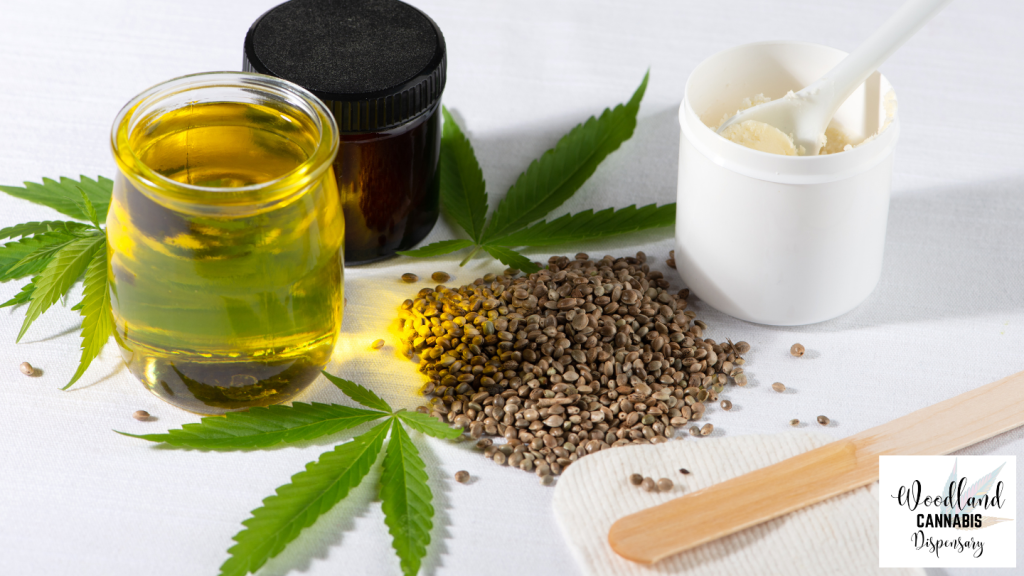
- Base ingredients: Carrier oils (coconut oil, jojoba, and grapeseed) accelerate the absorption of cannabinoids into the skin and can help calm or hydrate.
- Natural waxes (beeswax, lanolin) and butters (shea, cocoa) not only develop a stable texture but also act to seal in moisture and protect the skin’s barrier.
- Wholesome extras such as essential oils and herbal extracts can infuse anti-inflammatory, antimicrobial, or calming benefits for a more well-rounded experience.
- They do, in my opinion, because base ingredients matter. They affect the safety and effectiveness of your product, and impurities can lower both.
- Certain bases, such as aloe vera, are soothing and great for sensitive skin. Others may be incompatible with certain people.
Topical Base Oils
Carrier oils, such as coconut oil and jojoba oil, serve as the primary medium for cannabinoids in topicals. These oils make cannabinoids able to penetrate through the surface layer of the skin to deeper layers, where they are most effective. It’s the best of the bunch when it comes to being moisturizing and soothing. It calms dry or irritated skin. Jojoba oil, which has a molecular structure similar to natural skin oil, is lightweight and unlikely to clog pores, so it’s great for sensitive or oily skin.
Some folks react to certain oils, so it’s a matter of checking ingredient lists and comparing oils to your needs. Grapeseed absorbs fast, while olive oil feels heavier and nourishing. Those with sensitivities may opt for almond oil or even aloe vera-based blends for the least irritation.
Waxes And Butters
Natural waxes and butters lend structure and assist in locking in the cannabinoids. Beeswax and lanolin create a barrier on the skin, inhibiting water loss and increasing the duration of relief. Shea butter provides intense moisture and is a proven soother of rough patches or eczema.
Cocoa butter provides a smoothness and a faint fragrance. The melting point of these ingredients is important. Those that melt at skin temperature tend to spread more easily and absorb better. Seek out creams that are equally firm and spreadable, particularly if you’re in a warm or humid climate.
Essential Additives
Essential oils such as lavender, tea tree, or eucalyptus provide more than just a scent. They can offer anti-inflammatory or antimicrobial properties. If your skin tends to redden or become irritated, some chamomile or calendula extracts will help soothe it.
A few key additives may cause allergies. Always be aware of potential irritants, particularly if you have sensitive skin. Mixing additives can create a well-rounded impact, such as combining peppermint for that coolness factor and arnica for muscle relief.
Integrating Topicals Into Your Routine
Incorporating topical cannabis products into your routine can enhance your skin health. A consistent regimen, the right CBD topical, and a focus on the small stuff are the secrets to getting these products to work effectively for you. Begin with a trial phase to understand your skin’s response. Always read the label for ingredients and instructions. Try to store your topicals in a cool, dry spot to keep them fresh. Observe how your body reacts and be prepared to adjust if necessary.
For Athletes
Athletes are no strangers to muscle pain and joint aches, particularly following rigorous workouts or matches. Cannabis topicals provide a direct means to calm these areas. Add a quick rub of topicals into your post-workout routine to any areas feeling sore or tight. Cooling gels can assist immediately, while warming balms can relax tension as you relax.
When incorporating topicals into your routine, consistency is key. Some athletes apply topicals pre-activity to help avoid light injuries or strains. Over time, this consistent application can assist your body’s healing and even optimize performance throughout extended training sessions.
For Skincare
There are a lot of reasons that cannabis topicals can slot into your skin routine. Most are designed to combat redness and dryness, so that’s beneficial if you have eczema or acne. Seek out creams or lotions with moisturizing oils and soothing herbal extracts. They absorb ultra fast, leaving skin supple and not greasy.
Use your topical as close to the same time every day as possible, for instance, after washing your face or before bed. Mix a cannabis cream with your regular moisturizer for an extra skin boost without irritation. Be sure to allergen check and patch test to protect your skin.
For Daily Relief
If you suffer from nagging aches or low-level pain, cannabis topicals can be integrated into your lifestyle as part of your overall wellness routine. Identify the ache and apply a topical balm or cream to wherever you need it. Some enjoy it on their neck, back, or dabbed across their fingertips at various times throughout the day. Because topicals are not psychoactive, they are easy to use at work or on the road.
Select products that fit your lifestyle, from quick-absorbing lotions you can apply during the day to thick balms for deeper relief at night. Modify the quantity and frequency of application to your preference and continue to observe your symptoms.
Maximizing Topical Effectiveness
Selecting the right topical cannabis product and ensuring its efficacy involves understanding how you employ it and your body’s reaction to it. A careful approach to using cannabis products goes a long way toward safety and ensures you reap the benefits when addressing pain, inflammation, or skin health issues. By employing a checklist and mastering the application’s technical nuances, all users can achieve better and more consistent results.
Right Application Method
Wipe the skin where you’ll apply the topical cannabis product. Dirt or oil can inhibit the product from working optimally. Read and follow the manufacturer’s instructions, which outline the right dosage size and application method for that particular formula. Begin with a low dose of topical CBD to monitor efficacy and potential side effects. It’s optimal to take the same dosage each time, simplifying the determination of the proper dose for relief. Don’t use it on broken or irritated skin unless the product states that it is safe. Topical cannabis options scratch the itch for specific issues. They don’t get you high, making them a solid option for localized pain or discomfort. Some formulas combine both CBD and THC in a one-to-one ratio, which studies suggest may help with pain, but everyone reacts a bit differently.
The Patch Test
Before fully applying a new topical cannabis product, it’s crucial to do a patch test. Apply a small amount to a discreet area of skin and wait 24 hours. Be vigilant for any redness, itching, or symptoms of an allergic reaction. This precaution is particularly important due to the more than 200 terpenes found in cannabis, as you might be sensitive to one. If the test area remains calm, the product is likely safe to use. Always adjust your selection if you observe any reaction, especially with delicate skin.
Onset And Duration
The effectiveness of topical cannabis products largely depends on your skin type and the specific product used. Most individuals report experiencing effects within 10 to 45 minutes, with relief durations varying significantly. Keeping track of this information helps you determine when to reapply your cbd topical. If relief fades too quickly, consider applying more frequently or trying a different formula. Both THC and CBD in topical products can aid in pain relief, but THC in topicals typically won’t induce a high. Observing your body’s response and maintaining a journal can help you adjust your application schedule for optimal results.
What Product Labels Reveal
Product labels tell us a lot of critical information about what’s inside a cannabis topical and how it might perform for you. Reading a label isn’t effortless, but the specifics can assist you in selecting a product that complements your lifestyle and behaviors. Here is a quick look at key data you might see on a label:
Feature | What You’ll Find On Labels | Why It Matters | Example |
THC (mg) | Per serving, per package | Shows psychoactive strength, guides dose | 10 mg per serving, 100 mg total |
CBD (mg) | Per serving, per package | Non-intoxicating; may help with pain/relaxation | 15 mg per serving, 150 mg total |
Total Cannabinoids | Sum of all active compounds | Overall potency | 200 mg per package |
Strain Type | Sativa, Indica, Hybrid | Suggests effect profile (uplifting, relaxing, balanced) | Hybrid |
Terpenes | Limonene, Myrcene, Pinene, etc. | Adds scent, may affect effect | Limonene for citrus scent |
CBD: THC Ratio | 1:1, 5:1, etc. | Helps balance psychoactive and calming effects | 2:1 (CBD:THC) |
Intended Use | Topical, Edible, Flower | Tells you if it’s for skin, food, or smoking | Topical |
Testing/ | Third-party lab results, batch numbers | Shows safety, purity, and origin | Lab-tested, batch #12345 |
Potency/THC % | Percentage by weight | Guides strength: low (under 10%), moderate (10-20%) | 5% THC |
Serving Size | How much to use at one time | Helps avoid overuse or waste | 2 grams per serving |
Others list additional components such as herbs, carrier oils, or preservatives. These can amplify or dilute the principal impact. For example, menthol or arnica can boost skin cooling or soothing benefits, while fragrances or parabens may cause skin reactions for some users. They have things like coconut oil or shea butter to make them soft, but there’s always someone who’ll be allergic. It’s a great way to peek for any ingredient you’re trying to avoid or find!
Trust is everything when selecting a product. Seek evidence of independent lab testing. They test for heavy metals and pesticides and reveal whether the product is as potent as stated. A batch number helps to trace the product’s origin and the date of production. Labels such as ISO or GMP indicate that the manufacturer adheres to high safety standards.
Labels warn of dangers or unique applications. A few topicals caution against use on broken skin. Others say to steer clear of the eyes. Pregnant or nursing people might get special warnings. This information is important to anyone with diet or allergy issues.
Final Remarks
Selecting the appropriate cannabis topical requires a bit of consideration. Look at your needs and lifestyle. See what’s in each one. Some folks require immediate muscle pain relief post-workout. Others desire skin care for dry or rough skin. Select a cream, balm, or oil that matches your lifestyle. If you’re exercising, go for a menthol rub for rapid cool relief. If you’re looking to treat dry skin, choose a thick balm with shea butter. Labels don’t lie, but always check them for transparency on strength and ingredients. It takes some trial and error to really find the best fit. Make sure to share your own tips or questions in the comments to help others find what works.
Frequently Asked Questions
1. How Do I Select The Best Cannabis Topical For My Needs?
Determine what you want to achieve, such as pain relief or skincare, by selecting the right CBD topical or topical cannabis product. Look at the product’s ingredients, cannabinoid profile, and purpose to ensure it complements your way of life.
2. Why Are Base Ingredients Important In Cannabis Topicals?
Base ingredients impact absorption, skin compatibility, and allergies, making the choice of ideal cannabis topical crucial, especially for those with sensitive skin.
3. How Can I Add Cannabis Topicals To My Daily Routine?
Use topical cannabis products on clean, dry skin in the areas where relief is desired for self-care or post-workout bliss.
4. Will Cannabis Topicals Make Me Feel High?
No, marijuana topicals can’t get you high, but instead, they offer therapeutic benefits by working locally on targeted areas without any psychoactive effects.
5. What Should I Look For On Product Labels?
Look for cannabinoid content, ingredients, instructions, and lab testing on marijuana topical labels for safety.
Experience The Healing Power Of Cannabis Topicals At Woodland Cannabis Dispensary
Looking for relief that works without the high? At Woodland Cannabis Dispensary, we specialize in premium cannabis topicals designed to soothe, restore, and rejuvenate. Our collection includes carefully formulated balms, lotions, salves, and transdermal patches that deliver targeted comfort right where you need it.
Whether you’re easing sore muscles, calming joint pain, or caring for your skin, our topicals offer the natural benefits of cannabinoids without psychoactive effects. Every product is third-party lab tested for purity and potency, so you can trust what you’re putting on your body.
Which product is best for you? Our knowledgeable staff is here to help you find the right match for your goals—whether it’s faster recovery, relaxation, or everyday wellness.
Visit our welcoming store in Woodland or browse our online menu for convenient ordering and express pickup. At Woodland Cannabis Dispensary, we make finding effective, plant-based relief simple and stress-free. Come see why so many choose us for their cannabis topicals.
Disclaimer
The materials available on this website are for informational and educational purposes only and are not intended to provide medical or professional advice. You should consult with a qualified healthcare provider for advice concerning any particular medical issue or condition. Do not act or refrain from acting based on any content included on this site without seeking appropriate medical or other professional advice. The information presented on this website may not reflect the most current medical developments or practices. No action should be taken in reliance on the information on this website. We disclaim all liability for actions taken or not taken based on any or all of the contents of this site to the fullest extent permitted by law.
