Key Takeaways
- You benefit from a more rapid onset with sublingual tinctures, as they absorb directly into your bloodstream via tissues under your tongue and bypass your digestive system.
- With ingested tinctures, effects take longer to manifest, but tend to last longer because of the digestive and metabolic process called the first-pass effect.
- Sublingual tinctures have higher bioavailability, which means more of the active cannabinoids are available for your body to utilize than traditional edibles.
- Your decision to take a sublingual vs. ingested tincture should consider how quickly and for how long you need the effects to hit, your personal tolerance with cannabinoids, and your lifestyle.
- To optimize, you need to use the right administration method with sublingual tinctures and take into account how food and carrier oils affect absorption and experience.
- By starting with low doses and paying close attention to how you respond, you can discover what method and dosage works best for your medicinal or recreational needs.
Sublingual and ingested tinctures operate differently within your body. If you opt for a sublingual tincture, you place drops under your tongue, and the liquid goes directly into your bloodstream. With ingested tinctures, you swallow the drops, and then your stomach and liver dismantle the liquid before it enters your bloodstream. You may experience quicker effects with the sublingual method, whereas the ingested method takes more time but can have a longer duration. Your needs and your body will lead you to whatever feels right. Understanding how each method works aids you in choosing the one that fits your aims. Below, you’ll get definitive information and helpful pointers that will assist you in making an informed decision.
The Core Difference: Sublingual Vs. Ingested
Understanding how your body absorbs and processes sublingual cannabis drops is essential in discovering what works for you. The core distinction between sublingual administration and ingested forms revolves around how cannabinoids enter your system, their onset speed, and the duration of effects.
1. Absorption Pathway
Sublingual cannabis drops work by allowing the active compounds to absorb directly into your bloodstream through the tissue under your tongue. Holding these drops for 30 to 60 seconds enables your sublingual gland to absorb cannabinoids rapidly, bypassing the stomach and liver. This creates a direct line to your bloodstream, making the effects of sublingual cannabis more immediate and dependable.
Oral ingestion is a different route. When you consume a cannabis tincture orally, it passes through your digestive tract and liver, undergoing first-pass metabolism. This process can degrade the cannabinoids before they reach your bloodstream, making it less efficient than sublingual administration.
Sublingual cannabis products are more effective at delivering cannabinoids immediately. Their rate of absorption is at least three times higher than that of traditional cannabis edibles, which is a significant advantage for those needing swift or reliable therapeutic effects.
2. Onset Speed
Sublingual tinctures take effect quickly. The majority of people notice effects within 15 to 30 minutes of the dose. That’s because the compounds don’t have to take the scenic route through your gut.
Edibles and other ingested forms are slower. You might not feel the impact for one to two hours. This lag occurs because cannabinoids have to go through the entire digestive tract.
Metabolism plays a part. Your age, weight, and even what you ate that day can all accelerate or decelerate how quickly the effects are felt, regardless of route.
For instance, when you’re looking for rapid relief or want to manage your experience, sublingual drops are typically the better option.
3. Bioavailability Rate
Bioavailability is the percent of a dose that makes it into your blood. For sublingual tinctures, it is about 13% to 19%. For oral ingestion, it is broader, ranging from 4% to 20%, but most people receive lower rates because of breakdown by the liver.
Tincture potency, formulation, and dosage will all alter these figures. Quality tinctures with explicit guidelines will usually push you toward the top end of the range.
Selecting tinctures from a reliable provider can help your body utilize more of what you consume.
4. Effect Duration
Sublingual cannabis lasts anywhere between 4 to 6 hours. Edibles can last 8 hours, sometimes longer.
If you need a longer window of relief, ingested tinctures may be more ideal. If you want to modulate or abort effects earlier, sublingual is easier to control.
Duration depends on your tolerance. If you frequent cannabis, you may experience the window as shorter than a newbie.
Aim for differing lengths depending on your method and tweak as you discover what suits you.
5. Potency Experience
Potency can seem stronger or lighter, depending on how you take tinctures. Sublingually provides a crisper but more fleeting experience, whereas swallowed is more languid and usually more consistent.
Cannabinoids and terpenes team up to define the experience and potency of the dose. How you take them shifts that balance and affect how you experience the psychoactive effects.
To control strength, begin low and go slow, particularly with edibles. You can add more, but you can’t subtract once you’ve dosed.
The Sublingual Method
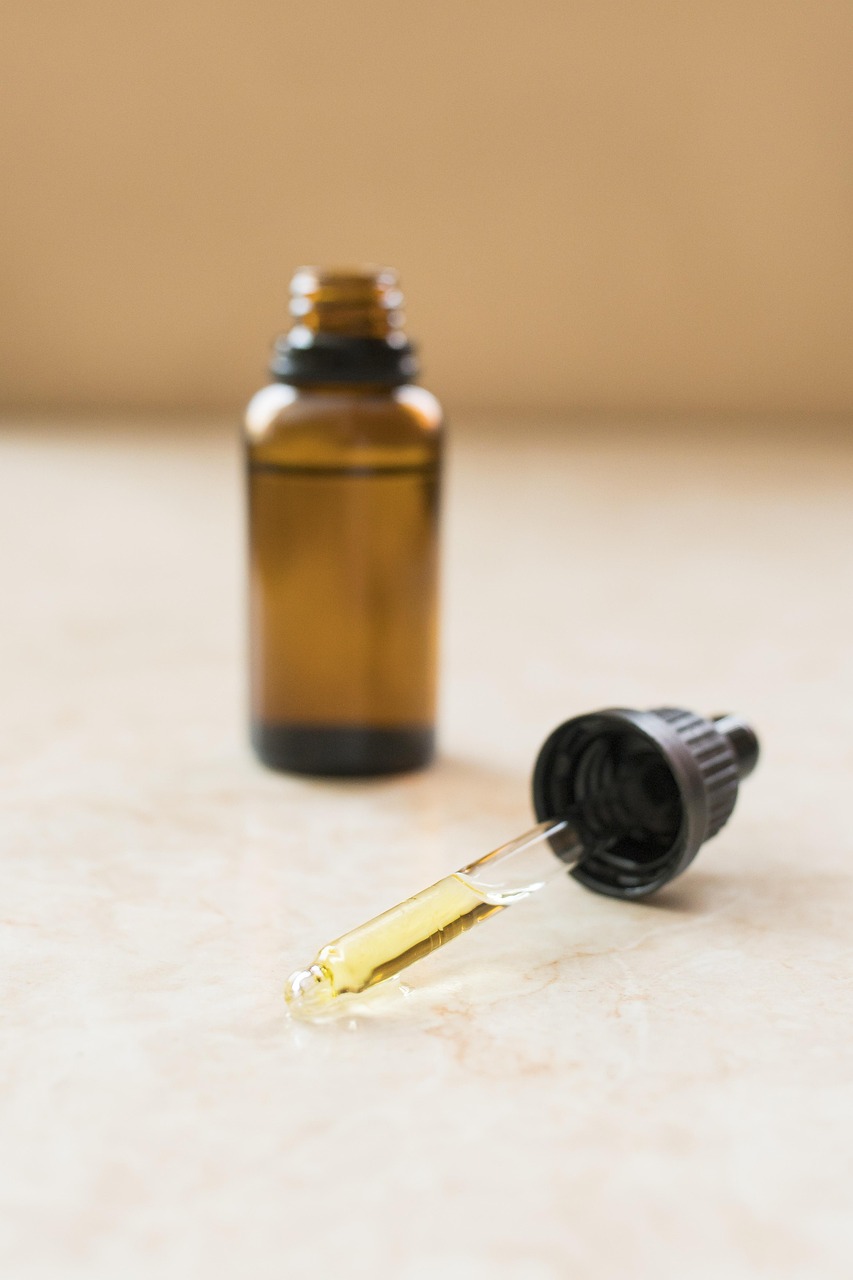
The sublingual method refers to placing sublingual cannabis drops, strips, or oils beneath your tongue, where the tissue is thin and highly vascularized. This technique is typical of cannabis tinctures, as it allows chemicals like THC and CBD to slide directly into your bloodstream through sublingual absorption. You may find them in mini glass bottles with droppers, dissolvable strips, or even sprays. All of these sublingual cannabis products are made for speedy delivery, so you experience the benefits quickly, typically in under 30 minutes, often within just a few. Whether you use cannabis for pain, anxiety, or just to chill, sublinguals are a hit because they are fast working, convenient, and provide a smokeless, discreet alternative.
The Upside
You get quick results with the sublingual cannabis drops method. The drugs go through the tissue under your tongue directly into your blood. That means you don’t have to wait an hour or more, like with cannabis edibles. You may experience shifts in your mood or symptoms within 15 to 30 minutes. For those seeking comfort or relief immediately, this can level the playing field. The bioavailability, or how much of the active compound your body can actually use, is higher, often between 13 percent and 19 percent. That’s superior to pills or foods.
Sublingual administration is discreet. You don’t have to smoke or vape, so there’s no odor or puff of vapor. If you travel or have to take a dose at work, a small drop under your tongue is fast and nearly transparent. This means that lugging around a little bottle of tincture or a couple of strips in your bag is easy and non-stressful, not conspicuous.
Precise dosing is a major appeal of sublingual cannabis products. With a dropper, you can dose by the milliliter or smaller. That way, you can start low and go slow, which is a key strategy if you’re new or just looking to avoid getting too high. A few even have explicit instructions right on the label, so you know precisely what you’re acquiring.
Sublingual drops translate into fewer inactive metabolites. THC goes directly to your blood, bypassing the liver’s enzymes. It crosses into your brain as THC, not as 11-hydroxy-THC, which is a more potent metabolite produced when you consume cannabis. For those seeking a more consistent, easy-going experience, this is a legitimate advantage.
The Downside
Taste is an issue. Most use alcohol as a base, and you may taste a pungent, bitter flavor that hangs under your tongue. Even with flavorings, the aftertaste can be harsh for some.
Dry mouth, perhaps. When you administer tinctures like this, you may experience a sticky or dry mouth. This is typical with cannabis overall. Sublingual drops can bring it to the fore, particularly if you consume them frequently.
Figure out your dose, which can be tricky. Because effects come on fast, it’s easy to take too much before you know how strong it feels for you. That’s why it’s wise to begin with a small dosage and pause for a minimum of 15 minutes before supplementing. Thoughtful dosing keeps you from becoming overwhelmed or anxious.
You’ll discover that flavor options are scarce. A few brands provide mint or citrus, but quite a few tinctures adhere to basic or natural flavors. If you crave diversity of flavor, you may be disappointed. Some folks acclimate to it, but it’s not inherently a breeze.

The Ingested Method
The ingested method, or oral consumption as it’s frequently referred to, involves eating or drinking cannabis products, including cannabis edibles like gummies, cookies, and chocolates. Unlike sublingual cannabis drops that sit under your tongue, oral items must travel through your digestive tract. This journey causes the effects to be significantly delayed, often requiring 30 to 60 minutes to take hold. Once they do, they can linger for as long as eight hours, making them appealing to those who prefer familiar snacks like chips or candy over sublingual cannabis intake or inhalation methods.
The Upside
The primary benefit is the enduring effects you experience post-cannabis consumption. The effect is not only longer lasting than sublingual or smoked but can seem more profound. That’s due to your liver transforming THC into 11-OH-THC, a more potent compound that crosses the blood-brain barrier with greater ease. If you’re seeking relief or advantages that persist through a workday or night’s rest, cannabis edibles should be on your radar.
Edibles exist in a variety of flavors, forms, and potencies. You can choose from sweet gummies, salted caramels, cookies, energy bars, and even infused beverages. This flavor allows you to select what suits your appetite or requirements best. If you want to ditch the sugar, sugar-free or vegan options are available, too.
Yet another allure is the way cannabis edibles can integrate into social occasions. Splitting a pack of gummies or a batch of cookies with your tester can make the whole experience a lot less clinical. It’s simple to share doses with friends, which keeps dosing feeling laid-back and social.
Ingested cannabis provides a slow and soft lift. This slow build signifies no harsh high, which a lot of people perceive to be more controllable. If you’re new to weed or prone to feeling “too toasted” all at once, this method can feel less intense than alternatives.
The Downside
A major con is the slow onset of action. Because cannabinoids need to survive your stomach and make it through your liver, you may not feel a thing for up to an hour. This lag can mess with your plans if you anticipate immediate results.
This lag can cause you to overdose as well. You could consume more, believing the initial hit failed, then experience a surprise onset later. Overconsumption is a genuine danger, and it’s hard to undo once it gets started. You have to let it sit and wait before you take more.
Potency is not always predictable with edibles. Even if you purchase items of the same brand, the potency can vary from batch to batch. Homemade chewables are even trickier. This makes it difficult to figure out the right dose, particularly for beginners.
Other individuals have weak stomachs. Edibles can make you vomit, bloat, or upset your stomach, particularly if you’re allergic or intolerant to any of the ingredients. Not everyone’s metabolism behaves the same, so the onset and duration can differ widely from individual to individual.
The First-Pass Effect Explained
It’s a key piece of the puzzle in why sublingual cannabis and ingested tinctures function so differently. Plainly, the first-pass effect means your liver metabolizes a significant portion of a drug before it reaches your bloodstream. This is critical for cannabis as it affects the amount of active component—e.g., THC—that you ultimately absorb. When you ingest cannabis edibles, your body routes it through your stomach and liver initially. Your liver then converts THC into a potent new form known as 11-hydroxy-THC. This can leave you with less THC in your bloodstream. Research indicates that when you consume or drink THC tinctures, a mere 4 to 20 percent makes it into your system. That’s a huge reduction in the drug available to operate on your behalf. Therefore, you might not receive the complete impact you anticipate from your dosage.
When you eat a cannabis tincture, your liver has the task of transforming the THC you consume. This step is referred to as metabolism. Your liver is efficient and can metabolize a significant portion of the drug prior to it entering your bloodstream. With cannabis, this implies the THC you ingest becomes 11-hydroxy-THC. This new form is more potent and has a longer half-life in your system. This is why consuming sublingual cannabis drops feels so distinct from other methods of consumption. The high hits slowly, typically 30 to 60 minutes, and can endure for much longer. It can be a lot more powerful, too. For instance, when you consume a cannabis edible or tincture, it can be as long as three hours before you experience the peak effect. This extended wait can surprise new users. If you ingest more before the initial dose activates, you’re likely to experience a significantly overstated effect.
The first-pass effect is not merely a drag. It reduces the quantity of THC that reaches your brain. If you want it fast, this isn’t it. You might think you have to take more to achieve the same effect, but this can cause side effects. Others enjoy the slow build and powerful, long-lasting high that 11-hydroxy-THC provides. It really depends on what you’re looking for and how your body responds. You should be aware that ingesting cannabis, as oil, a capsule, or an edible, always results in some power being lost to the liver.
Sublingual administration is another story. When you place a tincture under your tongue, the THC is absorbed directly into your bloodstream through capillaries. It bypasses the first-pass effect in the liver. That’s more THC remaining in its native form and getting to your brain quicker. It kicks in after 15 to 30 minutes, a significantly shorter wait. If you want predictable, easy-to-manage effects, sublingual consumption is a solid option. It allows you to avoid the extended high that edible cannabis can induce. If you swallow the tincture immediately, you miss out on this advantage. That’s why it’s clever to keep it under your tongue for a minute or two before you swallow.
How To Choose Your Method
To decide between sublingual cannabis drops and ingested tinctures, you need a candid examination of your objectives, lifestyle, and your body’s response to cannabinoids. Both sublingual administration and oral cannabis edibles provide a distinct set of trade-offs in speed versus effect length and ease. Culture, cuisine, and health are important, as knowing onset, duration, and bioavailability will assist you in selecting your ideal method.
Your Desired Outcome
Consider what you’re seeking from your cannabis journey. If you’re seeking rapid relief — say to quell a panic attack or relieve acute pain — sublingual drops are effective. They tend to kick in around 15 to 30 minutes. This is significantly quicker than edibles, which require 1 to 2 hours to work their way through your system and impact you.
If you want stable, long-lasting assistance for chronic pain or sleep, edibles may be best. The impact of edibles often lasts as long as 8 hours, which is great for those looking for all-day or all-night support. If you frequently require medicine to survive meetings, classes, or commutes, this choice is effective.
Tolerance is important. If you’ve smoked before and are aware of your body’s tolerance, you can more accurately decide which method will satisfy you. If you’re right at the beginning of learning what works for you, start low and go slow. Experiment with various doses in a controlled environment and experience each type of trip before switching up your regimen.
Your Lifestyle
Your habits and environment are just as important as your goals. If you have to bring your products with you, sublingual tinctures are tiny. You can use them practically anywhere without being noticed or requiring a special tool.
Social contexts can alter what you select. Edibles are convenient to pass around and blend in at the party. Meanwhile, the sublingual drops are covert and allow you to dodge prying questions. If you’re in a less cannabis-friendly area, drops might be a safer bet.
Dietary needs can’t be overlooked. Certain edibles utilize animal products, gluten, or allergens. Sublingual tinctures, typically just oil and extract, accommodate many dietary restrictions. How to choose your method: as always, check the ingredients and choose what fits your diet.
Routines determine your consumption. If you’re time-pressed and need rapid results, sublingual drops do the trick. If you anticipate needing assistance for hours, then edibles are the better fit.
Your Personal Sensitivity
Each individual’s body responds uniquely to cannabinoids, including sublingual cannabis drops. Some require only a small amount of cannabis for the same sensation, while others need a larger dose. If you’re highly sensitive, begin with a low dose and monitor for side effects. Sublingual administration may be easier to control, as you can measure out each drop precisely.
For novices, low doses of sublingual cannabis products are safer. Experiment with your method at home or in a secure location. Jot down your moods, side effects, and benefits to understand what works for you.
As you discover your thresholds, scale your dose. If you experience powerful or long-lasting results from small doses, remain with what works. If you require additional, increase your dose gradually. A healthcare professional can assist in navigating these transformations.
Maximizing Tincture Effectiveness
Maximizing the effectiveness of sublingual cannabis drops is about more than just choosing a product. The method of sublingual administration, storage, and precise cannabis extract dosage all play crucial roles. Various cannabis treatments, whether sublingual or oral cannabis edibles, work differently, so understanding these specifics helps you select the right option for your needs.
Proper Technique
Begin by dosing with the dropper and try to keep your dosage consistent to assist with effect tracking. Put the sublingual cannabis drops straight under your tongue. This place has tons of capillaries. Holding the drops here, rather than swallowing immediately, allows the active components to enter your bloodstream directly. For optimal sublingual absorption, hold the tincture beneath your tongue for a minimum of 60 to 90 seconds. Swallow only after holding the drops long enough. This is key because it bypasses the digestive system and avoids the first-pass metabolism that occurs with cannabis edibles. You will experience the effects quicker, usually within 15 to 30 minutes, as the route to your bloodstream is more direct.
Patience during this phase is everything. In a hurry to gulp down the tincture reduces the amount of the active compound that gets absorbed. About: Getting the Most Out of a Tincture.. A measured dropper keeps you consistent. Sublingual cannabis products have great dosing precision, so you can dial your dose up or down slightly and observe how your body reacts.
Food Interactions
If you’re taking sublingual cannabis drops by swallowing, what you eat before or after can affect their effectiveness. Consuming the tincture on a full stomach or immediately after a meal will delay sublingual absorption, pushing the effects back a bit. Certain foods, especially fat-rich ones, allow your body to absorb cannabinoids more efficiently, while others can inhibit or slow this process. To ensure accurate dosing, try to schedule your meals so you’re not dosing tinctures on a full stomach unless that suits your needs.
Diet decisions are crucial. For instance, a healthy fat-packed meal, like avocado or nuts, can enhance your body’s ability to utilize cannabinoids. If you want predictable effects, maintain consistent food choices and timing with every sublingual cannabis product.
Carrier Oil Impact
The oil used in a tincture affects bioavailability. Popular carrier oils are MCT oil, olive oil, and hemp seed oil. MCT oil is generally the go-to because it aids the body in absorbing cannabinoids rapidly and thoroughly, so it’s a common carrier for sublingual tinctures. Top-notch oils help prevent the tincture from degrading too rapidly, allowing it to remain potent as long as possible.
Knowing the qualities of each oil can steer your choice. MCT oils, for example, are less likely to spoil and are not as flavorful. Olive oil can have additional health benefits, but it can also be heavier. Experiment with alternate tinctures to find which oil synergizes best with your body and palate.
Conclusion
You have two distinct routes with tinctures. A sublingual dose is fast, hits your system quickly, and feels steady. An ingested dose takes longer, travels through your gut, and can seem longer and more profound. Each method serves a different purpose. Some want fast relief. Some desire long support. You might want to try both. Begin with a small dose. Pay attention to your body. Note when you feel the effects begin and when they fade. Welcome questions, query your provider, and benchmark with peers. Your optimal option matures with your expertise and confidence. To stay informed, see new research and trusted voices. Your next step empowers you and delivers results.
Frequently Asked Questions
1. What Is The Main Difference Between Sublingual And Ingested Tinctures?
Sublingual cannabis drops sit under your tongue for rapid sublingual absorption, while ingested tinctures are swallowed, taking longer to produce effects.
2. Why Do Sublingual Tinctures Work Faster?
Sublingual cannabis drops enter your bloodstream through tissues under your tongue, allowing for sublingual absorption that bypasses the digestive system, resulting in quicker effects, typically within 15 to 30 minutes.
3. What Is The First-Pass Effect?
The first-pass effect occurs when your liver metabolizes substances like sublingual cannabis drops before they reach your bloodstream, potentially diminishing the efficacy of ingested tinctures.
4. How Long Do Effects From Ingested Tinctures Last?
Ingested sublingual cannabis tinctures can take 30 to 90 minutes to kick in, with their potent effects lingering longer, sometimes up to six hours or more.
5. Which Method Is More Effective For Maximum Absorption?
Sublingual cannabis products provide higher absorption and quicker relief, while ingested tinctures lose potency due to the first-pass effect in the liver.
6. Are There Any Risks With Either Method?
Both methods of cannabis administration, including sublingual cannabis drops and oral cannabis edibles, are generally safe, but always err on the side of a low dose.
7. How Do I Choose The Best Method For Me?
If you want a rapid impact, consider sublingual cannabis drops for sublingual absorption. For longer-lasting effects, go with ingested cannabis tinctures. Think about your health objectives and what you prefer.
Experience The Best Cannabis Tinctures At Woodland Cannabis Dispensary
Looking for a smooth, precise, and easy way to enjoy cannabis? Woodland Cannabis Dispensary offers a curated selection of premium tinctures designed for accuracy, consistency, and convenience. Our tinctures are carefully formulated and lab-tested for purity and potency, so you can trust what you’re putting in your body.
Whether you’re new to tinctures or already have a favorite method, our knowledgeable team can help you find the right product for your needs. We’ll guide you through different THC and CBD ratios, carrier oils, and onset times to ensure you get the perfect fit for relaxation, pain relief, or better sleep.
Stop by our welcoming dispensary for a low-pressure shopping experience, browse our online menu from home, or use express ordering for quick pickup. At Woodland Cannabis Dispensary, we make finding the right tincture simple, safe, and satisfying. Come see why so many trust us for their cannabis wellness journey.
Disclaimer
The materials available on this website are for informational and educational purposes only and are not intended to provide medical or professional advice. You should consult with a qualified healthcare provider for advice concerning any particular medical issue or condition. Do not act or refrain from acting based on any content included on this site without seeking appropriate medical or other professional advice. The information presented on this website may not reflect the most current medical developments or practices. No action should be taken in reliance on the information on this website. We disclaim all liability for actions taken or not taken based on any or all of the contents of this site to the fullest extent permitted by law.
