
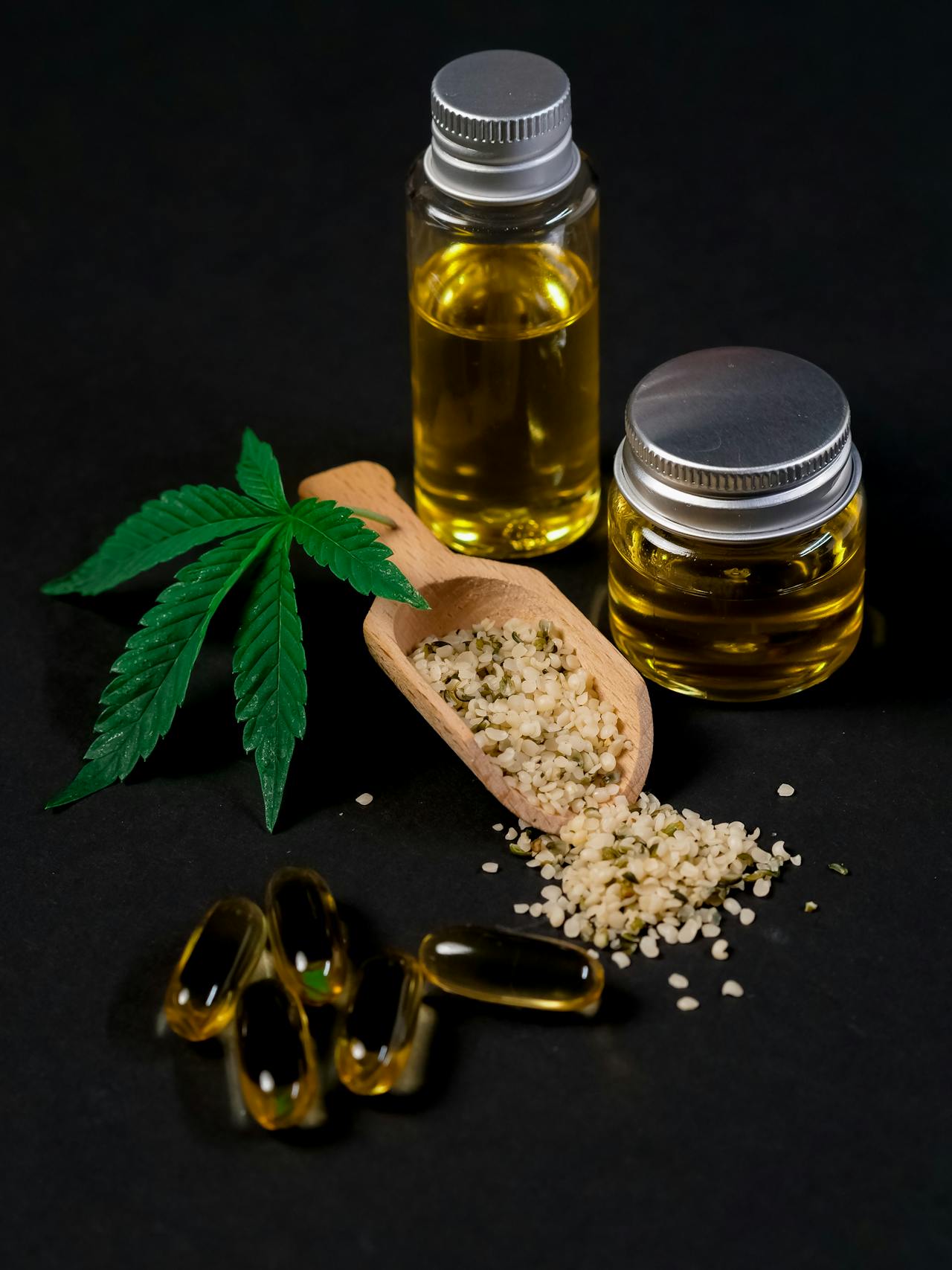
THC tends to be a better helper with harder pain, like arthritis or muscle strains, by interacting with nerve endings. CBD can provide relief for light pain or even help pacify hot or inflamed skin. Both can work great, but it usually depends on the severity of the pain, where you live, and what works best for your body. Others combine the two for synergistic assistance. Lab tests and new studies still confirm which works best, so real-world results may vary. For folks looking to select the appropriate topical for pain or inflammation, understanding how THC and CBD affect your body can steer safer decisions.
Key Takeaways
- Cannabis topicals interface with the body by infiltrating the skin and endocannabinoid receptors, providing localized pain and inflammation relief without systemic effects.
- While both THC and CBD have distinct properties for pain relief, THC might work better on neuropathic and severe pain. CBD is prized for its non-intoxicating, anti-inflammatory effects that are a better fit for a broader range of conditions.
- Topicals are very much about product formulations, such as carrier ingredients, essential oils, and terpene profiles, all of which impact absorption, efficacy, and overall experience.
- When combined, like in full-spectrum products, THC and CBD can leverage the entourage effect, which can potentially improve therapeutic benefits and offer more comprehensive relief for chronic pain and inflammation.
- Safety risks, including intoxication risks, drug testing, and allergic reactions, must be evaluated before use. Healthcare professionals should be consulted for those with medical conditions.
- Selecting a topical product involves clarifying your goals, verifying label transparency, and starting with low dosages, gradually increasing to discover the optimal effect for your body.
How Topicals Interact With Your Body
Cannabis topicals, such as CBD lotions and THC topicals infused with THC, CBD, or both, function by accessing the cells at the skin’s surface. They never enter the bloodstream in significant quantities. Instead, such goods remain in the skin’s vicinity, allowing cannabinoids to communicate with local tissues. The body’s endocannabinoid system, which regulates pain management, immune function, and inflammation, is involved. The effectiveness of a topical product depends on its ability to penetrate the skin’s layers and on the presence of endocannabinoid receptors in those tissues.
The Skin Barrier
The outer layer of the skin, called the stratum corneum, is made up of a lipid-rich layer. This layer acts as a barrier, being impermeable to many compounds, including most cannabinoids. Product absorption is all about whether a topical can traverse this lipid layer. If a formula contains the right combination of oils or enhancers, it can help cannabinoids like THC or CBD pass through more effectively.
Certain skin issues, such as eczema or psoriasis, affect how efficiently products absorb. Damaged or inflamed skin can allow more actives in, sometimes intensifying or accelerating the effects. The consistency of a topical, like a thick balm or light gel, makes a difference. Balms might keep active ingredients on the skin’s surface longer. Gels and creams, if well-formulated, can accelerate absorption.
Endocannabinoid Receptors
CB1 receptors are concentrated in nerve cells, whereas CB2 receptors are found in immune cells. THC interacts with both CB1 and CB2 receptors, but it has a more potent effect on CB1, which may influence pain signal transmission. CBD is different. Rather than locking onto these receptors, it might assist the body in using its own cannabinoids more effectively. This can relieve pain and combat inflammation.
This receptor activation can dampen inflammation in the region of the body where the topical is applied. Research indicates that when cannabinoids strike these receptors, they might assist with other pain-associated health issues, such as autoimmune disorders. CBD, specifically, is exhibiting potential for issues like rheumatoid arthritis.
Targeted Relief
Topicals work where you put them. They don’t make their way through your entire body. This allows individuals to experience pain relief in an ache or joint without experiencing intoxicating effects.
Localized relief isn’t the same as whole-body relief. Topicals work great for a single location and not for body-wide pain. THC and CBD both assist with certain types of pain, but their efficacy can differ. THC may help with nerve pain, while CBD might be more effective for reducing swelling or inflammation.
Benefits for chronic pain patients:
- Less psychoactive side effects.
- Target pain directly through topical application.
- Can be used frequently with minimal risk of overdose.
- Can act in concert with other pain therapies.
Choosing THC Vs. CBD For Your Pain
Why do topical products like THC lotions and CBD lotions work in unique ways for pain management and inflammation? Both compounds interact with the body’s endocannabinoid system, yet each carries its own unique effects, risks, and benefits. While taking CBD does not intoxicate, THC is well known for its intoxicating effects. Selecting between these cannabis products involves examining their mechanisms for pain relief, side effects, and legal considerations in your region.
Property | THC | CBD |
Psychoactivity | Yes, can cause a high | No, non-intoxicating |
Pain Relief | Direct, fast-acting | Indirect, anti-inflammatory |
Inflammation | Moderate effect | Strong effect |
Legal Status | Varies by region | More widely allowed |
Best For | Nerve and severe pain | Inflammation, mild pain |
1. For Inflammation
CBD is particularly notable for its anti-inflammatory properties, making CBD lotions a popular choice for pain management. It interacts with receptors that regulate inflammation and may benefit conditions like rheumatoid arthritis pain. Certain individuals respond better to using CBD, while others may find THC topicals more effective. THC may be quicker for acute cases, but CBD often wins in the long run. Many topical THC products combine both for comprehensive relief, especially when a fast and enduring hit is required.
2. For Nerve Pain
THC stands out for alleviating neuropathic pain in part by altering pain perception in the brain. Its psychoactive effect can make pain less acute. Using CBD, on the other hand, helps by calming hyperactive nerves and reducing underlying inflammation. A combination of THC and CBD products can provide more potent relief, as demonstrated in clinical trials involving cancer pain patients. Yet, not all of us experience equal benefits, so you may have to try different THC ratios.
3. For Muscle Soreness
THC can numb aches following intense exercise, while CBD lotions aid muscle recovery by combating inflammation and promoting healing. Topical THC products and CBD creams are favorites among athletes and gym rats, sending cannabinoids directly to where they are needed. Others discover that a higher dose of CBD is the secret to hard-to-heal soreness. As always, read the label and begin slow!
4. For Joint Pain
THC lotions are particularly useful for people with arthritis pain, as they can ease discomfort and relax stiff joints. Using CBD together with THC can promote healthy movement and reduce inflammation. Full-spectrum CBD topicals, which include other plant compounds, might provide more well-rounded relief, enhancing the overall pain management experience.
5. For Skin Conditions
CBD aids eczema, acne, and other topical concerns due to its soothing and restorative qualities found in CBD lotions. THC can alleviate arthritis pain from burns or rashes in specific locations, making THC topicals a popular choice. Combining these cannabinoids with other skin-loving elements can increase relief.
Why Both Might Be Better
Studies indicate that co-administration of these cannabinoids may be superior for specific symptoms, including neuropathic pain and insomnia. Knowing how these compounds work together can help readers seeking practical, tailored solutions.
The Entourage Effect
The entourage effect is a synergy that occurs when multiple plant compounds, such as cannabinoids and terpenes, act simultaneously. Instead of relying solely on isolated THC or CBD products, whole-plant extracts leverage the full spectrum of molecules, which can translate into a stronger treatment effect. For instance, using CBD can help counteract some of the anxious or paranoid feelings that pure THC may induce in certain patients. While CBD itself has a calming effect, research indicates that it can amplify the relief offered by THC, with specific THC ratios providing more effective pain management than either compound alone.
Whole-plant extracts mean you receive a cocktail of cannabinoids and terpenes, not just isolated THC or CBD. This blend can offer greater support for distinct body systems than single compounds. For wellness seekers, the entourage effect suggests that topical THC products with a full spectrum of plant compounds might more effectively address individual needs and reactions.
Finding Your Ratio
The perfect mix of THC and CBD products can affect how much relief or comfort you experience. Some studies highlight that higher THC to CBD ratios in topical THC products help more with neuropathic pain, while a balanced 1 to 1 ratio may ease anxiety better. There’s no magic combination that works for all. Factors like body weight, pain type, and even cannabis experience can tip the scales on what works. As such, tinkering with the CBD lotion ratio and monitoring results can assist users in determining what fits their requirements. Because the data is still sparse, a trial-and-error attitude with careful observation of impact is often required.
Full-Spectrum Power
Full-spectrum CBD topicals, including CBD lotions, utilize extracts with a range of cannabinoids, not just CBD. This approach provides a more holistic relief profile, leveraging the advantages of multiple plant compounds simultaneously. Many people find that using CBD products can deliver a soft, consistent effect, making them ideal for those experiencing chronic aches or inflammation. The legal status of these products varies by jurisdiction, so it’s essential to investigate local laws before purchasing or using full-spectrum CBD topicals.
What Else Is In Your Topical?
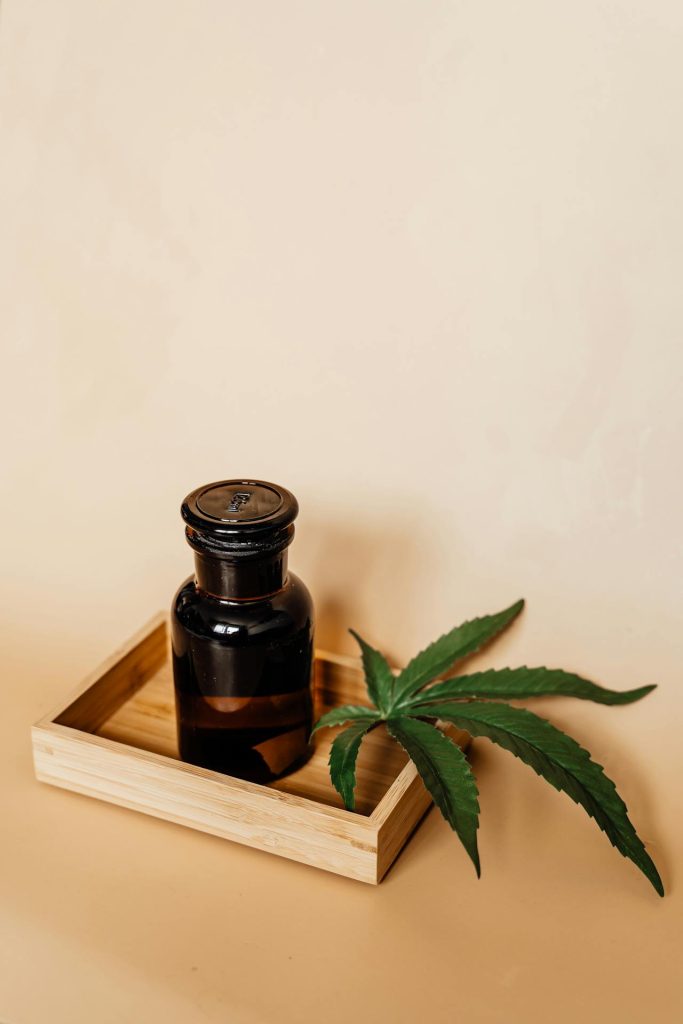
Cannabis topicals, including THC lotions and CBD lotions, offer more than just the benefits of THC or CBD. Their holistic impacts depend on the entire formulation, including carrier oils and other plant compounds, which interact with your skin and endocannabinoid system for effective pain management.
Carrier Ingredients
Carrier oils constitute the majority of any topical, including cbd lotion and THC lotions. They assist cannabinoids to penetrate the skin’s layers, where CB1 and CB2 receptors are located on nerve fibers and skin structures. Typical carriers are coconut oil, shea butter, and MCTs, which alter the way cannabinoids solubilize and enter the skin. For instance, coconut oil retains cannabinoid compounds effectively and is gentle on sensitive skin, while MCTs accelerate absorption. Quality counts, especially with CBD products. Strong chemicals or fillers will dilute or irritate the skin, particularly in cases of chronic skin disorders like eczema or psoriasis. Always use gentle, non-comedogenic bases if you’re acne-prone. A bad formulation clogs pores or diminishes the cannabinoids’ effects.
Carrier | Effect on Skin | Cannabinoid Delivery |
Coconut Oil | Moisturizing | Good absorption |
Shea Butter | Soothing | Slow, steady release |
MCT Oil | Lightweight | Fast absorption |
Olive Oil | Rich, emollient | Moderate release |
Essential Oils
Essential oils in topicals do more than smell, and they can enhance CBD lotion benefits. Several, including lavender and eucalyptus, demonstrate anti-inflammatory properties, which can complement CBD’s potential for inflammation reduction. Some oils soothe inflamed skin, while others, like peppermint, can provide a cooling sensation, making the product more enjoyable. Still, not all oils are for everyone, so it is important to check ingredients and patch test first.
Terpene Profiles
Terpenes are natural plant compounds in cannabis that influence the aroma and can aid in pain management or inflammation. Limonene, pinene, and linalool are common, each with its own benefits. Limonene may lift mood, pinene aids with inflammation, and linalool soothes. The terpene profiles enhance the effects of topical THC products and, at times, synergize with cannabinoids like CBD for more potent effects. Preserving these fragile compounds throughout production is challenging but essential for a whole-plant impact, delivering consumers a more robust and customized experience.
Practical Safety Concerns
THC and CBD topicals are a hit for pain management and inflammation relief. They primarily work on cannabinoid receptors in the skin, CB1 in nerves, and CB2 in immune cells, without typically being absorbed into the bloodstream. While both may assist with local symptoms, their safety profiles require careful examination. Users need to consider practical safety issues like intoxication, drug tests, and side effects when selecting a topical THC product.
Intoxication Risk
THC is psychoactive and primarily acts on CB1 receptors, which can lead to euphoric or psychoactive effects if sufficient amounts are absorbed. Topical THC products like THC lotions rarely cause intoxication since they work locally and typically don’t enter the bloodstream. Even so, trace absorption or application to broken skin can heighten this risk. In states with strict cannabis penalties, it can still be significant if you are using CBD or THC topicals, even if you are not experiencing a high. To minimize hazards, choose clearly labeled products, follow suggested dosing, and avoid application on open wounds.
Drug Testing
THC in topicals, such as THC lotions, can occasionally test positive on a drug screen, although it is unlikely since these products work on the skin rather than entering the bloodstream. Testing policies vary by country and workplace, with certain areas mandating that CBD products must contain under 0.3 percent THC. Mislabeled items can still pose a risk. Being aware of the THC content before using CBD lotions is critical. If drug testing is a concern, opt for THC-free topicals or choose CBD only, ensuring you read COAs and understand the legality in your area.
Potential Side Effects
Typical side effects of using CBD products may include skin irritation, drowsiness, diarrhea, or appetite changes, especially in sensitive individuals. Both THC and CBD can elicit these effects, but reactions vary from person to person. An allergic reaction is possible if you’re allergic to any ingredient, not just cannabinoids. It’s prudent to monitor for rash, swelling, or pain. Consulting your doctor about health concerns or other medications is advisable, as interactions can occur. Caution is warranted due to the limited research on long-term use.
Responsible Use Checklist
- Check the product label for THC and CBD content.
- Use only on unbroken skin.
- Start with a small amount to test skin response.
- Look for third-party lab results to confirm purity.
- Know your local cannabis laws and workplace rules.
- Consult a health professional if you have ongoing conditions.
A Guide To Selecting Your Product
Selecting a cannabis topical for pain management, such as a CBD lotion or THC topical, is not as simple as choosing between THC and CBD. It involves considering your wellness objectives, the ingredients in a product, and how to apply it effectively. Many products are not labeled correctly, with studies indicating that only a quarter have the claimed CBD level. This makes it crucial to read carefully and know what to seek in quality CBD products.
Assess Your Goal
Begin with your objective. If you want to soothe arthritis pain in a small, targeted area, such as a bruised knee or knuckle, seek out topical THC products crafted for local relief. Others wish to assist with more significant wellness requirements, such as relieving muscle pains following long days or exercise. Consider how long you experience pain and its intensity. Short, mild pain might require a lighter product than deep, long-lasting aches. Your health goals are important. If you want to avoid any mind effects, you might want a product with only CBD and minimal or no THC. Others may prefer to experiment with a mix, as some studies suggest that using CBD alongside THC lotions may provide superior pain relief than either cannabinoid alone. Keep in mind that different people respond to the same product in very different ways, so what works for your buddy might not work for you.
Read The Label
Its label should clearly list the key ingredients, including the CBD lotion and THC content (in milligrams), and indicate if it was third-party tested. Depending on your location, CBD products must contain less than 0.3% THC, so verify this if you need to avoid THC use. Ingredient lists are crucial, especially if you have allergies or wish to avoid certain substances. Many products use terms like “broad-spectrum” or “full-spectrum CBD topicals,” which signify different compositions, so check if the product includes other plant compounds or is purely CBD or THC. Be cautious: many products may contain more or less CBD than claimed, and marketing language can often mislead. Always seek evidence of third-party lab testing before trusting any claims.
Start Low, Go Slow
- Take the topical small with the minimum dose necessary.
- Build gradually after observing your skin and body’s response.
- Pay attention to how you feel after each use. Each person’s tolerance is unique.
- Results can take days or weeks, so be patient.
Use Reviews And Recommendations
Shop based on product reviews and trusted recommendations. Others include real-life anecdotes of how a product worked for pain or swelling. Contrast input from folks with comparable requirements. Bad reviews can be labeling or effect-related.
What to look for: Expert opinions or advice from health professionals, particularly if you have chronic health issues or take other medications.
Final Remarks
THC can assist with acute or internal pain, whereas CBD frequently shines in alleviating mild discomfort or tender areas. Others discover that both used together provide better results, particularly for difficult cases. What’s in each blend, such as additional herbs or oils, plays a big role in its effectiveness. Safety is important, so be sure to read the label and use a little at first. For optimal fit, experiment and keep a record of what aids most. Get involved, tell us what helped you, and hear from friends’ experiences.
Frequently Asked Questions
1. Can THC Or CBD Topicals Make You Feel High?
No, most topical THC products don’t make it into the bloodstream. They work exclusively on the targeted area, making them non-psychoactive.
2. Which Is Better For Pain: THC Or CBD Topicals?
THC may be more effective for severe arthritis pain, while using CBD is preferred for mild pain and inflammation. The best option may depend on your requirements and local regulations regarding THC products.
2. Are There Benefits To Using Both THC And CBD In A Topical?
The combination of THC and CBD products will likely be stronger, creating an ‘entourage effect’ where cannabinoids, such as topical THC and CBD lotions, team up for even greater relief.
3. What Other Ingredients Should I Look For In A Topical?
Consider using CBD lotions with natural ingredients like essential oils, shea butter, or arnica, while avoiding harsh chemicals that can irritate sensitive skin.
4. Are THC And CBD Topicals Safe For Everyone?
Most people do, but if you have sensitive skin or allergies, look at the ingredient list of CBD lotions or THC topicals. Always consult a healthcare professional if you have health concerns.
5. How Do I Choose A Quality THC Or CBD Topical Product?
Select products like CBD lotions with transparent labels, third-party lab tests, and clear ingredient lists. Trusted brands provide certificates of analysis for safety and potency.
Experience The Healing Power Of Cannabis Topicals At Woodland Cannabis Dispensary
Looking for relief that works without the high? At Woodland Cannabis Dispensary, we specialize in premium cannabis topicals designed to soothe, restore, and rejuvenate. Our collection includes carefully formulated balms, lotions, salves, and transdermal patches that deliver targeted comfort right where you need it.
Whether you’re easing sore muscles, calming joint pain, or caring for your skin, our topicals offer the natural benefits of cannabinoids without psychoactive effects. Every product is third-party lab tested for purity and potency, so you can trust what you’re putting on your body.
Which product is best for you? Our knowledgeable staff is here to help you find the right match for your goals—whether it’s faster recovery, relaxation, or everyday wellness.
Visit our welcoming store in Woodland or browse our online menu for convenient ordering and express pickup. At Woodland Cannabis Dispensary, we make finding effective, plant-based relief simple and stress-free. Come see why so many choose us for their cannabis topicals.
Disclaimer
The materials available on this website are for informational and educational purposes only and are not intended to provide medical or professional advice. You should consult with a qualified healthcare provider for advice concerning any particular medical issue or condition. Do not act or refrain from acting based on any content included on this site without seeking appropriate medical or other professional advice. The information presented on this website may not reflect the most current medical developments or practices. No action should be taken in reliance on the information on this website. We disclaim all liability for actions taken or not taken based on any or all of the contents of this site to the fullest extent permitted by law.
