
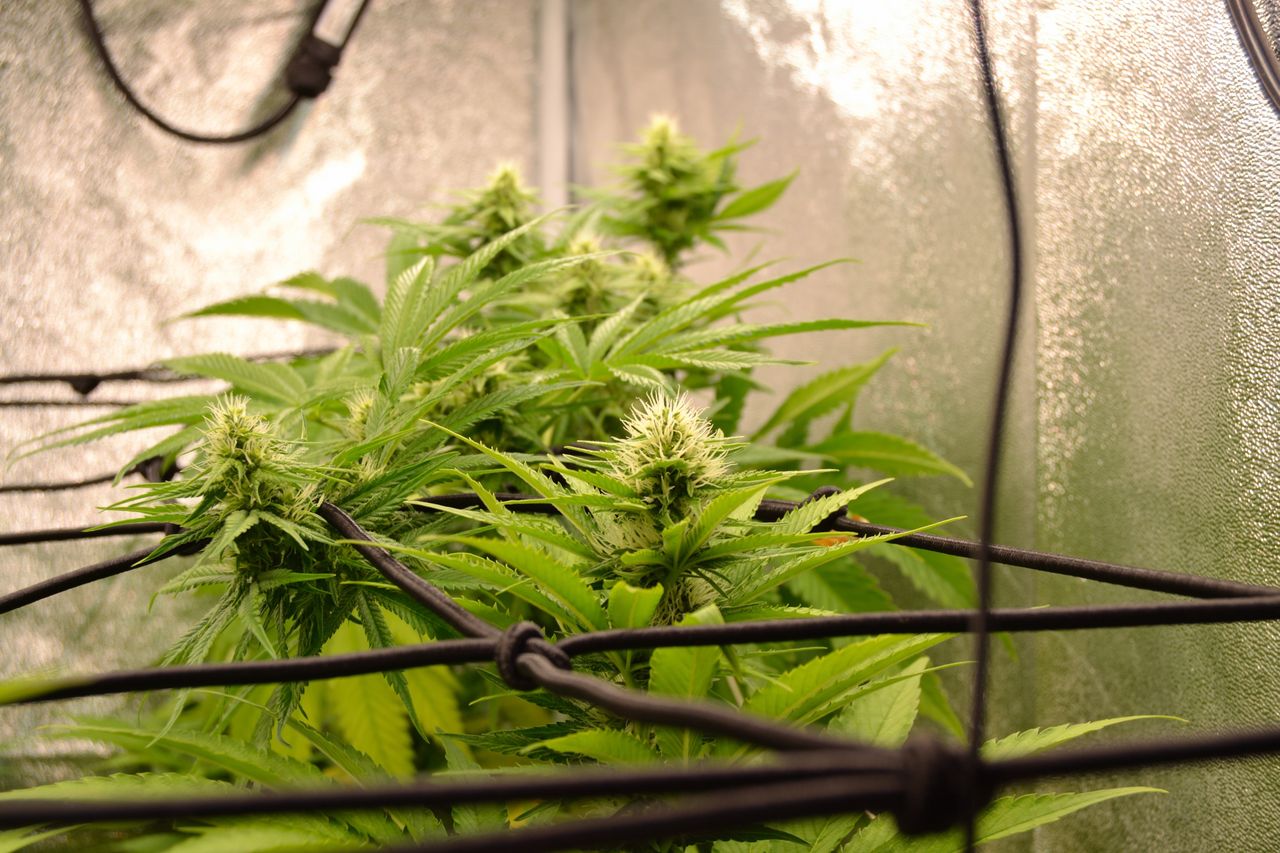
If you’ve ever opened a jar of cannabis flower and immediately noticed a burst of citrus, pine, berries, fuel, or earthy spice, you’ve already met one of the most important, but often overlooked, parts of cannabis: terpenes.
For years, most cannabis education focused almost entirely on THC percentages and strain names like Indica, Sativa, or Hybrid. But as the industry has evolved, both consumers and scientists have begun to recognize that the true personality of cannabis flower is not defined by THC alone. Instead, much of what shapes your experience, how it feels, how it smells, and even how it influences your mood, comes from terpenes.
Terpenes are aromatic compounds found in cannabis and in many other plants in nature. They’re responsible for the smell of lavender fields, the citrus punch of an orange peel, the sharp scent of pine trees, and the spicy kick of black pepper. In cannabis, they do much more than create aroma and flavor, and they help shape the overall effect profile of each strain.
This is where things get interesting. Two cannabis strains can have the same THC level, the same Indica or Sativa label, and even similar genetics, but if their terpene profiles are different, the experience can feel opposite. One may feel calm and sleepy, while the other feels bright, focused, or euphoric. Understanding terpenes is like unlocking a hidden layer of cannabis education. It allows you to move beyond strain names and percentages and start choosing flower based on real-world experience instead of marketing labels.
In this guide, we’ll break down what terpenes are, how they work, which ones matter most, and how they directly shape your cannabis experience. Whether you’re a beginner trying to understand why different strains feel different or a seasoned consumer looking to refine your selection, this is the layer of cannabis knowledge that changes everything.
Key Takeaways
- Terpenes are aromatic compounds found in cannabis and many plants that influence smell, flavor, and effects.
- They play a major role in shaping how cannabis feels, often more than strain names or THC levels.
- The combination of terpenes and cannabinoids creates the entourage effect, which defines the overall experience.
- Common terpenes include myrcene, limonene, pinene, linalool, and caryophyllene.
- Myrcene is often associated with relaxation and sedation.
- Limonene is commonly linked to uplifting and mood-enhancing effects.
- Pinene may support alertness and mental clarity.
- Linalool is often associated with calming, stress-relieving effects.
- Caryophyllene is known for grounding, body-focused relaxation.
- Terpene profiles help explain why strains with similar THC levels can feel completely different.
- Choosing cannabis based on terpenes can lead to more predictable and personalized experiences.
What Are Terpenes?
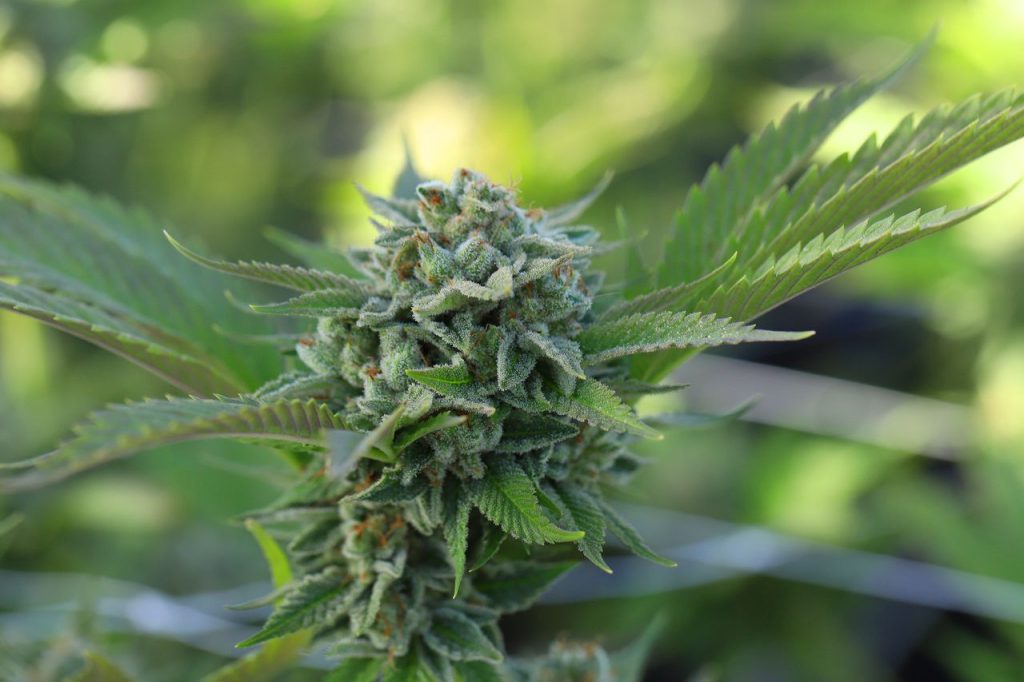
Terpenes are naturally occurring aromatic compounds found in plants, flowers, fruits, herbs, and trees. They are part of what gives plants their distinctive scent and flavor profiles. In cannabis, terpenes are produced in the same glandular structures (trichomes) that produce cannabinoids like THC and CBD. These tiny, crystal-like structures cover the surface of cannabis flower and are responsible for much of its potency, aroma, and therapeutic potential.
But terpenes are not unique to cannabis. You encounter them every day:
- The citrus smell of lemons comes from limonene
- The calming scent of lavender comes from linalool
- The pine aroma in forests comes from pinene
- The spicy scent of black pepper contains caryophyllene
In nature, terpenes help plants survive by repelling pests, attracting pollinators, and protecting against environmental stress. In humans, they interact with the body in ways that can influence mood, perception, and physical sensation. In cannabis, this means terpenes are not just about smell, but they are part of the functional chemistry of the plant.
How Terpenes Shape Your Cannabis Experience
When cannabis is consumed, terpenes interact with cannabinoids such as THC and CBD, influencing their absorption, the overall experience, and the duration of effects, a relationship known as the entourage effect, where terpenes help guide how THC is expressed in the body. For example, THC combined with myrcene may produce a more relaxing experience; with limonene, it may feel more uplifting and mood-enhancing; and with pinene, it may support a clearer, more focused mental state, which explains why strains with the same THC percentage can feel very different in practice, as terpenes act as the “personality layer” of cannabis flower.
The Most Important Cannabis Terpenes, And What They Feel Like
While cannabis contains over 100 different terpenes, a few dominate most flower strains and have the strongest influence on effects.
Myrcene: The Relaxation Terpene
Myrcene is one of the most common terpenes found in cannabis and is known for its earthy, musky, herbal, and slightly fruity aroma profile. It is commonly associated with relaxation, body heaviness, sedation, and “couch-lock” effects in higher amounts. Myrcene is often present in indica-leaning strains, especially those intended for evening use, and is believed to promote deeper physical relaxation and a slower-paced experience, making high-myrcene flower a popular choice for unwinding after a long day.
Limonene: The Uplifting Citrus Terpene
Limonene is a terpene found in citrus fruits such as lemons, oranges, and limes, and it is known for its citrus, sweet, bright, and tangy aroma profile. It is commonly associated with an uplifted mood, stress relief, increased energy and positivity, and improved mental clarity. Limonene is often present in Sativa-leaning or hybrid strains designed for daytime use, and consumers frequently report feeling more social, motivated, or emotionally elevated when it is dominant.
Pinene: The Focus And Clarity Terpene
Pinene is one of the most abundant terpenes in nature and is commonly found in pine trees and rosemary, and it is known for its pine, fresh, woody, and herbal aroma profile. It is often associated with increased alertness, memory support, mental clarity, and reduced mental fog, and cannabis strains rich in pinene are frequently chosen by consumers seeking a more functional experience. Rather than producing heavy relaxation, pinene tends to support a clearer-headed and more focused effect.
Linalool: The Calming Floral Terpene
Linalool is also found in lavender, making it one of the most calming-smelling terpenes in nature. It has a floral, lavender-like aroma with soft and slightly spicy notes, and it is commonly associated with relaxation, stress reduction, emotional calming, and sleep support, often appearing in strains designed for nighttime use or deep relaxation due to its soothing and gentle effects.
Caryophyllene: The Grounding Spice Terpene
Caryophyllene is unique because it also interacts with the body’s cannabinoid receptors, and it features a peppery, spicy, woody, and earthy aroma profile that is commonly associated with physical relaxation, body comfort, a grounded feeling, and stress relief, often appearing in hybrid strains where it contributes to a balanced, full-body experience.
Why Terpenes Matter More Than Strain Names
One of the biggest shifts in modern cannabis education is the understanding that strain names such as “Blue Dream,” “OG Kush,” and “Wedding Cake” are often unreliable predictors of effects because they are largely marketing-driven, inconsistently bred, vary between growers, and are not standardized, whereas terpene profiles are measurable and repeatable, and as a result, two batches of the same named strain like “Blue Dream” can produce completely different experiences, a “Sativa” may feel relaxing if it is high in myrcene, and an “Indica” may feel uplifting if it contains more limonene, making terpenes a more accurate and science-based way to predict cannabis effects.
How Terpenes Work With THC And CBD
Terpenes don’t replace cannabinoids, but instead, they work alongside them, with THC producing the primary psychoactive effects and CBD potentially balancing or softening those effects, while terpenes further shape the overall experience. This interaction is known as the entourage effect, which suggests that cannabis compounds are more effective and nuanced when working together than when isolated, as seen in combinations like THC with linalool producing calming, body-focused relaxation, THC with limonene creating an energetic, euphoric uplift, and THC with caryophyllene resulting in a grounded, balanced experience, which is why full-spectrum cannabis flower often delivers a more complex and nuanced effect than isolated compounds.
How Terpenes Influence Indica, Sativa, And Hybrid Experiences
Although Indica and Sativa are commonly used as shorthand for describing cannabis effects, these classifications can be inconsistent because they don’t reliably account for the plant’s full chemical makeup. A more accurate way to understand how a strain may feel is through its Terpenes, which are the aromatic compounds responsible for both scent and a large part of the overall experience.
For example, Indica-leaning strains are often associated with higher levels of myrcene and linalool, which are commonly linked to more calming or sedating effects, while Sativa-leaning strains tend to feature terpenes like limonene and pinene, which are often associated with more uplifting or energizing experiences. Hybrids, on the other hand, can contain a wide range of terpene combinations, resulting in effects that may feel more balanced or layered.
These patterns should be understood as general tendencies rather than strict rules, since modern cannabis cultivation has become highly hybridized. As a result, terpene profiles now provide a far more reliable and nuanced way to predict a strain’s potential effects than traditional plant classification alone.
How To Use Terpenes When Choosing Cannabis Flower
Understanding terpenes allows consumers to shop more intentionally by focusing on the aromatic compounds that influence a strain’s effects, rather than relying solely on THC percentages or strain names, which often don’t tell the full story. Simple, practical approach to using terpene profiles when choosing cannabis.
1. Decide Your Desired Experience
Start by clearly identifying the type of effect you want from your cannabis experience. Common goals include relaxation, increased energy, improved focus, better sleep, or overall balance. Defining your intention first helps narrow down product choices and prevents you from relying only on potency numbers.
2. Match Terpenes To Your Goal
Once you know your desired outcome, you can look for specific terpenes that are commonly associated with those effects. For relaxation, strains rich in myrcene and linalool are often preferred. For energy, limonene and pinene are commonly linked to more uplifting effects. For focus, pinene and caryophyllene may support alertness and mental clarity. For sleep, myrcene and linalool again tend to be associated with calming, sedative-like qualities. These associations help guide selection, though individual responses may vary.
3. Ask For Terpene Information In-Store
Many modern dispensaries now provide terpene breakdowns on product labels or digital menus, making it easier to shop with more precision. When information isn’t immediately visible, it’s helpful to ask staff for dominant terpene profiles so you can make a more informed choice based on your goals rather than guessing from strain names alone.
4. Start With Small Amounts
Even when a strain has a terpene profile that matches your intended experience, individual tolerance and body chemistry can significantly influence how it feels. Starting with a smaller dose allows you to better understand how a particular terpene combination affects you before committing to a full session or a larger amount.
Why Terpene Freshness Matters
Terpenes are volatile compounds, which means they naturally evaporate and degrade over time when they are exposed to heat, light, air, or improper storage conditions. Because of this sensitivity, fresher cannabis flower typically has a noticeably stronger aroma, richer flavor, and a more vibrant overall experience compared to older or poorly stored products.
When cannabis is properly cured and stored in controlled conditions, the integrity of its terpene profile is better preserved, helping maintain the plant’s full aromatic and chemical expression. This preservation contributes to improved flavor, more pronounced and consistent effects, and a more reliable overall experience from one use to the next. Ultimately, freshness plays a major role in quality perception, and it is often one of the clearest differences between an average flower and truly premium cannabis.
The Future Of Cannabis Is Terpene-Focused
As cannabis education continues to evolve, the industry is gradually shifting toward more advanced, terpene-based labeling systems that offer a clearer and more scientifically accurate picture of the plant’s effects. Instead of relying almost exclusively on traditional classifications like Indica, Sativa, and Hybrid, or focusing narrowly on THC percentages as the primary measure of potency, consumers are now beginning to see more nuanced information that better reflects how cannabis actually works.
Modern labeling is increasingly highlighting dominant terpene profiles, which help explain aroma, flavor, and the overall experiential effects of a strain. In addition, many products are being categorized by effect-based outcomes, such as calming, energizing, or focusing, alongside more comprehensive chemical breakdowns that include cannabinoids and terpenes beyond THC. This shift represents a growing recognition that cannabis is not defined by a single compound or simplistic category but rather functions as a complex chemical ecosystem where multiple compounds interact to shape the overall experience.
Conclusion
Terpenes are one of the most important and most overlooked parts of cannabis flower. While THC determines potency, terpenes shape the personality of the experience. They influence whether a strain feels relaxing, uplifting, focused, or balanced, and they help explain why cannabis effects vary so widely between strains. By understanding terpenes like myrcene, limonene, pinene, linalool, and caryophyllene, consumers gain the ability to move beyond strain names and THC percentages and instead choose flower based on real-world effects and personal goals. At Woodland Cannabis Dispensary, our goal is to help customers make more confident, informed choices because better education always leads to better experiences. They turn cannabis from a simple product into a personalized, dynamic experience shaped by nature and chemistry. For anyone looking to improve their cannabis selection process, learning about terpenes is one of the most powerful steps forward, and it opens the door to more consistent, enjoyable, and intentional experiences with every visit to a dispensary.
Frequently Asked Questions About Cannabis Terpenes
1. What Are Terpenes In Cannabis?
Terpenes are naturally occurring aromatic compounds found in cannabis that are responsible for the plant’s distinctive scents and flavors, ranging from citrus and pine to earthy, floral, or diesel-like notes. Beyond aroma, terpenes also play a meaningful role in shaping the overall experience of a strain by interacting with cannabinoids like THC and CBD. This interaction can subtly influence how a strain feels in the body and mind, contributing to effects such as relaxation, mental clarity, uplifted mood, or increased focus.
2. Do Terpenes Affect How High You Get?
Terpenes don’t directly cause the psychoactive “high” associated with THC, but they do significantly influence how that high is experienced. Through what is commonly known as the entourage effect, terpenes work alongside cannabinoids to shape the tone, intensity, and quality of the effects. For example, some terpene profiles may make a high feel more calming and body-focused, while others may promote alertness, creativity, or cerebral stimulation, even when THC levels are the same.
3. Which Terpene Is Best For Relaxation?
Certain terpenes are widely associated with calming and sedative-like effects, particularly myrcene and linalool. Myrcene is often found in indica-leaning strains and is commonly linked to deep physical relaxation and a more sedating body feel. Linalool, also found in lavender, is known for its soothing, stress-reducing qualities and is frequently present in strains chosen for evening use or winding down after a long day. While individual experiences may vary, these terpenes are often a good starting point for those seeking relaxation-focused cannabis options.
4. Can Two Strains With The Same THC Feel Different?
Yes, two cannabis strains with identical THC percentages can produce noticeably different effects. THC is only one part of a much more complex chemical profile. The combination of terpenes, minor cannabinoids, freshness of the flower, cultivation methods, and even how the product is consumed can all influence the overall experience. In addition, individual body chemistry plays a major role in how cannabis is processed, meaning the same strain can feel different from person to person, or even from one session to the next.
5. How Do I Know Which Terpenes Are In My Flower?
Most modern dispensaries now include terpene information on product labels, packaging, or digital menus, making it easier than ever to understand what you’re consuming. These listings typically highlight dominant terpenes and sometimes include their relative percentages. If the information is not clearly displayed, budtenders can be a valuable resource, helping you interpret terpene profiles and match strains to your desired effects, whether you’re looking for relaxation, focus, creativity, or balanced daytime use.
Experience The Full Cannabis Flower Selection At Woodland Cannabis Dispensary
At Woodland Cannabis Dispensary, cannabis flower is all about finding the right experience for your lifestyle, mood, and wellness goals. Whether you’re looking for something uplifting and energizing, calming and relaxing, or balanced for everyday use, our wide selection of premium flowers gives you options you can trust.
We carry carefully selected strains with a variety of terpene profiles, cannabinoid levels, and effects, making it easier to choose a flower that matches what you’re looking for. From classic favorites to new exotic strains, every product is chosen for quality, freshness, aroma, and consistency. All cannabis flower products are third-party lab-tested, so you always know exactly what you’re getting.
Not sure where to start? Our knowledgeable team is here to guide you through the differences between indica, sativa, and hybrid strains, explain terpene effects, and help you choose flower based on potency, flavor, and desired experience. Whether you’re an experienced consumer or trying cannabis flower for the first time, we make the process approachable and personalized.
Visit our Woodland dispensary or browse our online menu for convenient pickup. At Woodland Cannabis Dispensary, finding high-quality cannabis flower is simple, educational, and tailored to your preferences.
Disclaimer
The materials available on this website are for informational and educational purposes only and are not intended to provide medical or professional advice. You should consult with a qualified healthcare provider for advice concerning any particular medical issue or condition. Do not act or refrain from acting based on any content included on this site without seeking appropriate medical or other professional advice. The information presented on this website may not reflect the most current medical developments or practices. No action should be taken in reliance on the information on this website. We disclaim all liability for actions taken or not taken based on any or all of the contents of this site to the fullest extent permitted by law.
