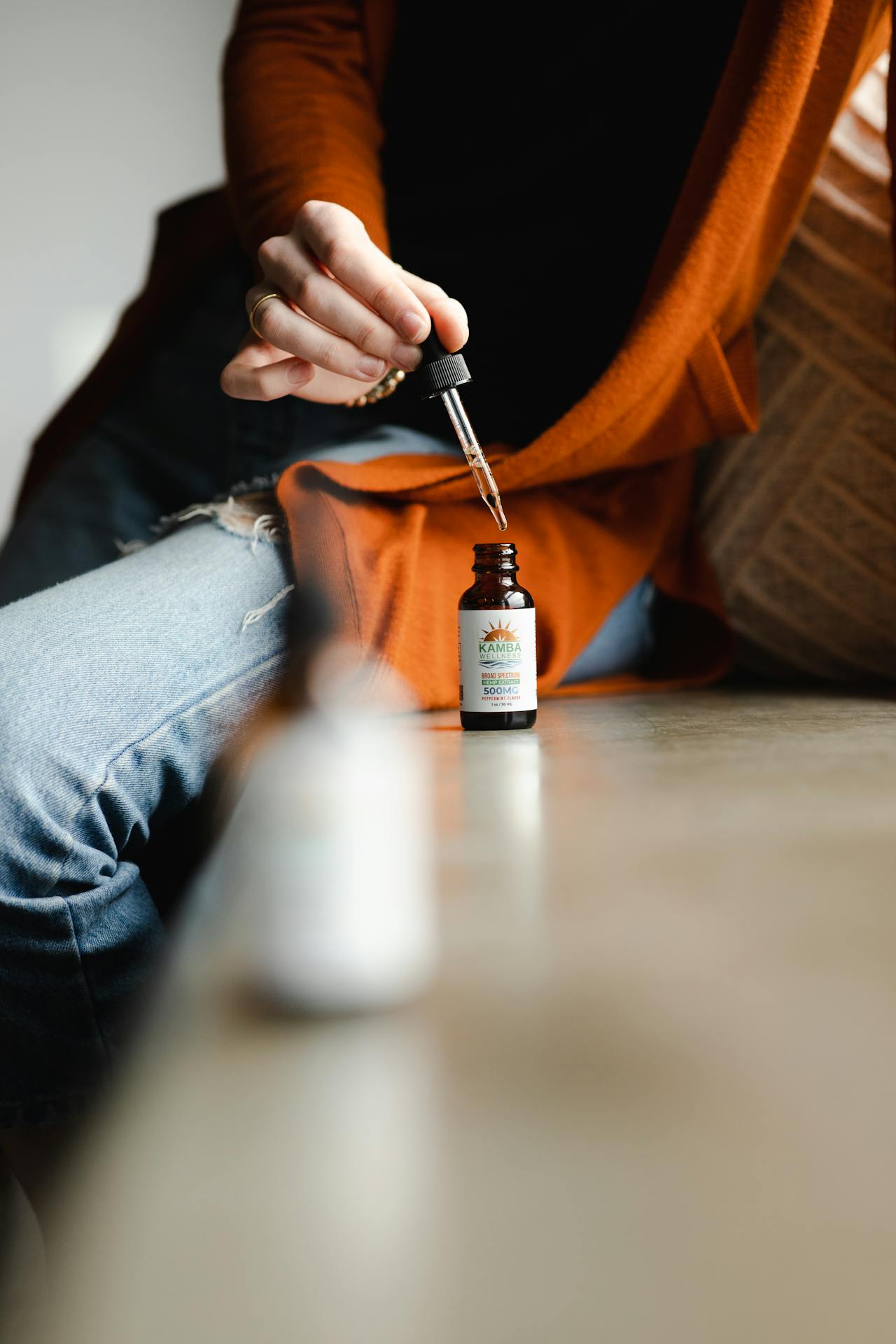
Here’s why medical users love tinctures: fast relief without smoking. A lot of people choose tinctures because they can drop drops underneath the tongue, which allows the body to absorb the medicine quickly. This way is clean and easy, great for those who want to avoid the smell or sensation of smoke. Tinctures come in small glass bottles, so users can carry them and take them anywhere. Dosing is easy to adjust, allowing medical users to find their ideal balance. For those with breathing problems or who simply want to maintain their health, tinctures provide relief with less danger. Then the body will display further information and usage choices.
Key Takeaways
- Medical cannabis tinctures offer a concentrated, smokeless option for symptom relief. They provide a versatile and convenient way for users to access cannabinoids without inhalation risks.
- That’s because of the fast onset and high bioavailability of tinctures, in particular when used sublingually, which help users across the globe manage acute and chronic symptoms quickly and effectively.
- Tinctures enable accurate dosage measurements, avoiding accidental overconsumption and facilitating reliable tailored treatment plans that can accommodate a wide variety of medical conditions.
- The combination of carrier oils and cannabinoid ratios used in tincture formulations allows medical users to tailor their relief experience for maximum efficacy depending on different conditions and preferences.
- Relative to inhalation, edibles, and topicals, these attributes create a well-balanced portfolio of fast onset, long duration, and systemic effects that appeal to many medical users.
- By following best practices, such as starting low, going slow, staying consistent, and storing tinctures correctly, medical cannabis users can reap safe, effective, and long-lasting benefits from their tinctures.
What Are Medical Cannabis Tinctures?
Medical cannabis tinctures are potent liquid infusions derived from the cannabis plant, designed to provide cannabinoids such as THC and CBD in a convenient, precise manner. These solutions are favored by medical users because they provide a quick, smoke-free option for symptom relief. They are administered by placing drops beneath the tongue, where the compounds enter the system and begin to take effect within 15 to 30 minutes. They can be ingested, but this is slower, typically taking 45 to 90 minutes before impact is experienced. Tinctures are discreet, portable, and can be dosed with precision, a real boon for people managing chronic pain, insomnia, or digestive issues. Medical patients have the option to choose from various ratio products that fit their specific needs.
The Liquid Base
- Common liquid bases in tinctures:* Ethanol (alcohol-based).
- MCT oil.
- Olive oil.
- Glycerin.
The base of a tincture can vary, affecting how well cannabinoids dissolve as well as how quickly they are absorbed. Alcohol tinctures tend to be more potent and last longer, while oil tinctures can be gentler on the mouth and have a lighter flavor. Purity of the base counts too. A good, untainted base will go a long way toward keeping the tincture safe and effective, particularly for medical users who might be a little more sensitive to additives.
Active Compounds
- THC (tetrahydrocannabinol) is the primary psychoactive compound, renowned for pain alleviation and appetite enhancement.
- CBD (cannabidiol) is non-intoxicating and is used for anxiety, inflammation, and seizure disorders.
- CBG (cannabigerol) – Shows promise for inflammation and neuroprotection.
- CBN (cannabinol) – May help with sleep and muscle relaxation.
Terpenes infuse each tincture with its signature scent and therapeutic properties. By customizing the blend of cannabinoids and terpenes, products can be formulated for particular applications. For example, high-CBD tinctures can be used for seizures or balanced blends can be used for symptom relief.
Extraction Methods
Cannabis tinctures can be crafted with ethanol extraction, CO2 extraction, or lipid infusion. Both methods affect the potency and quality of the finished product. Ethanol extraction is popular for its effectiveness but can drag in more plant compounds, altering the taste and color. CO2 extraction is more selective, which can result in a cleaner, more potent tincture. Lipid infusion utilizes oils to dissolve cannabinoids, primarily for users abstaining from alcohol. Premium flower is the secret; higher-grade raw cannabis translates to more consistent, predictable effects. Extraction methods impact the preservation of cannabinoids and terpenes, which is important for medicinal potency.
Why Medical Users Choose Tinctures
Tinctures are now the preferred method among medical users seeking relief without the negative side effects of smoking. Their popularity stems from fast relief times, precise dosing, smokeless consumption, discreet usage, and prolonged effects. These strengths render tinctures convenient for everyday health requirements in most cultures and lifestyles.
Rapid Symptom Relief
Tinctures are prized for swiftness. Relief can begin within 15 to 30 minutes when taken sublingually. This rapid onset is essential for acute symptoms like panic attacks or migraines, where minutes matter. Sublingual uptake avoids the digestive process, delivering the active ingredients directly into the bloodstream for rapid effects. Many medical users discover that tinctures can address breakthrough pain or sudden discomfort effectively. Dose adjustment is easy, allowing users to customize intake to evolving symptoms.
Precise Dosage Control
Tinctures are preferred by medical users because they allow for precise dosing through the use of droppers. Every drop is metered, so users have precise dosage control. This precision encourages a routine, which is key for those who require consistent symptom control during the day or night. Doses can be increased or decreased depending on necessity, which you cannot do with edibles or inhaled products. With this control, overuse and unwanted effects are reduced.
Smoke-Free Health Benefits
Not everyone wants smoke in their body. Smoking marijuana means lung irritation and toxic exposure. Tinctures provide a clean, smoke-free dosing option, which is safer for asthmatics or those with other respiratory issues. There’s no second-hand smoke to worry about. Low calories under five per dose make tinctures a good fit for nutrition-conscious users.
Unmatched Discretion
Tinctures resemble normal supplement bottles and have near zero aroma. This allows them to be easily used in public or at work without attracting attention. Unlike smoking, there’s no lingering smell. Small bottles fit in a pocket or bag, so dosing on the go is easy and discreet. Incorporating tinctures into your routine is easy and subtle.
Extended Duration
Tinctures’ effects can last longer than inhaled methods, often 4-8 hours. This is because this relief is sustained, meaning that medical users can manage chronic conditions by taking fewer doses. For some, this translates to more effective symptom cover and a gentler day. Dependable, long-lasting effects can support a better life.
The Science of Sublingual Uptake
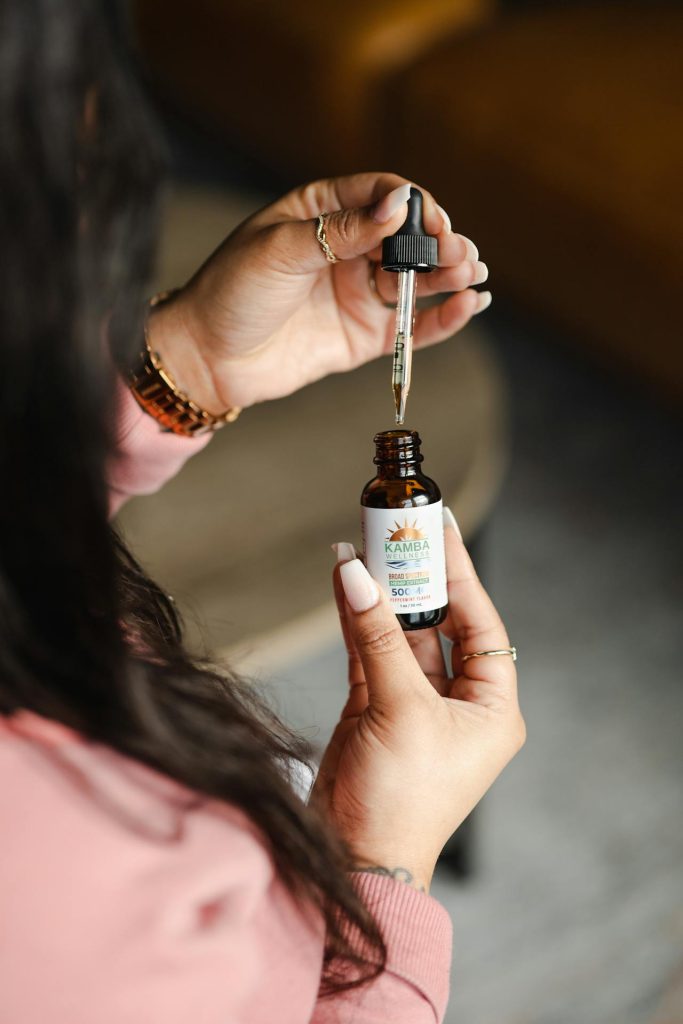
Sublingual delivery is a time-tested pharmaceutical method, valued for its speed and accuracy. The magic of sublingual absorption is that it allows active molecules to enter directly into the bloodstream. This technique bypasses the stomach and liver, allowing for quicker and more consistent effects than ingesting capsules or candy. Medical users appreciate this for its consistency and for minimizing unwanted waiting.
Bypassing Digestion
Tinctures under the tongue bypass the stomach and intestines altogether, so their active compounds don’t encounter the same delays as those ingested. The digestive system with its acids and enzymes can break down cannabinoids, often diminishing their potency and leading to unpredictable effects. When tinctures circumvent this system, the delay between consumption and effect is reduced to as little as 15 to 45 minutes, as opposed to one to two hours for edibles. This is key for patients seeking fast symptom alleviation, for instance with acute pain or anxiety. By avoiding first-pass liver metabolism, more of the original THC or CBD gets into the bloodstream intact.
Bloodstream Absorption
The mucous membranes beneath the tongue are thin and densely vascular. When a drop of tincture sits here, molecules diffuse rapidly through to the capillaries. How long you hold the tincture, which is best for 10 minutes if you can manage, the strength of the solution, and whether or not it’s oil or alcohol based all affect uptake speed as well. This fast absorption is perfect for taking on-the-fly symptom flare-ups, providing users with speedy relief. Because only a small amount of cannabinoids survive oral ingestion, sublingual use can produce higher bioavailability and therefore more potent and more consistent effects.
Bioavailability Factor
Bioavailability is the portion of a substance that makes it into circulation and is able to act on the body. For cannabis tinctures, this metric is essential: sublingual use can offer rates of 30 to 40 percent, far higher than the 10 to 15 percent typical for edibles. The type of tincture, carrier oil, and presence of other compounds can further impact outcomes. For instance, lipophilic (fat-loving) molecules like THC disperse readily through oral tissues, resulting in high absorption efficacies. Formulation choices, MCT oil versus ethanol for example, can affect how much reaches the blood.
Method | Bioavailability (%) | Onset (minutes) | Duration (hours) |
Sublingual | 30–40 | 15–45 | 2–4 |
Edibles | 10–15 | 60–120 | 4–8 |
Inhalation | 20–30 | 5–10 | 1–3 |
Tinctures vs. Other Consumption Methods
Tinctures have surged in popularity with medical consumers as a sweet spot for control, speed, and safety. How do tinctures compare to inhalation, edibles, and topicals and why are so many people turning to them to manage their symptoms without having to smoke?
Compared to Inhalation
Smoking or vaping hits within minutes, though the effects wear off quickly, sometimes in under two hours. Tinctures, particularly when administered sublingually, begin to take effect within 15 to 45 minutes. Tinctures are a tad slower than smoking, but they provide a smoother and more stable experience that can last anywhere from four to eight hours, thus better suiting continuous symptom management. Inhalation methods endanger the lungs and airways, particularly for individuals with asthma or other respiratory problems. Tinctures sidestep that danger entirely because you’re not burning or inhaling anything. Tinctures are easy to dose, and most tinctures come with a dropper, so you can start low and increase your dose gradually. Smoking provides little control over how much you’re ingesting with every drag, resulting in uneven effects. Tinctures offer an advantage over other consumption methods because it’s easier to monitor and adjust your intake, allowing you to treat symptoms without drastic fluctuations in your feeling.
Compared to Edibles
Edibles can take between 30 minutes and two hours to metabolize and stay in your system as long as 24 hours. Tinctures work quicker. Sublingual drops can take effect within 15 minutes. Edibles are tricky to dose, as their effects vary greatly across people. Tinctures allow for a far more precise method of dosage. Their effects typically persist four to eight hours, providing you with a convenient period of respite. With tinctures, you can easily adjust your dose by dropping more or fewer drops, while edibles are pre-portioned and difficult to divide.
Feature | Tinctures | Edibles |
Onset Time | 15–45 min (sublingual) | 30–120 min |
Duration | 4–8 hours | Up to 24 hours |
Dosing Control | Precise, adjustable by drops | Fixed, less adjustable |
Bioavailability | 13–19% | 4–20% |
Compared to Topicals
Tinctures and topicals function quite differently. Topicals are absorbed through the skin and act only where applied, which is great for pain or inflammation in a specific area, but they do not get you high. Tinctures, taken sublingually, tap directly into the bloodstream and can assist with symptoms across the body. This makes them ideal for anxiety, sleep, or chronic pain. For patients seeking relief from multiple symptoms or who want to manage flare ups, tinctures are simpler to use and integrate better into daily life. They’re discreet and portable; there’s no smell and no mess to clean up. For body-wide ailments, tinctures are a special kind of magic that topicals simply can’t deliver.
Customizing Your Therapeutic Regimen
Tinctures provide unparalleled adaptability for patients seeking to optimize their therapeutic regimen. These tinctures can be customized in terms of potency, blend, carrier base, and timing, making them effective for individuals with varying requirements and quotidian symptomatology. They can begin with low doses, typically 2.5 to 5 mg of THC or CBD, to observe their body’s response before adjusting. Tracking timing and effects with a checklist guides safe titration, with at least 24 hours between dose changes. Tinctures range in potency from 10% to 50%, and patients can determine whether to take them sublingually for speedy effects or ingested for longer lasting effects. This control lets you tailor your treatment schedule to your lifestyle and wellness objectives.
Understanding Ratios
The THC to CBD ratio in tinctures determines the user’s experience and result. A balanced one to one ratio is often chosen for general wellness, stress, or pain, while a five to one CBD to THC ratio gives milder effects with less psychoactivity. What works best varies by preference, cannabinoid history, and symptoms. Some may prefer a higher CBD for daytime concentration while others desire more THC for potent relief at night. Custom ratios allow users to focus on anxiety, inflammation, or sleep with greater specificity. Having a record of every tweak, even small adjustments, enables users to discover the balance that suits them.
The Role of Carrier Oils
Carrier oils alter the effect and experience of tinctures. They increase cannabinoids’ absorbability and can influence the flavor and texture of every drop. Premium oils, such as MCT oil or olive oil, are selected for their subtle taste and effective absorption. Some take coconut oil because of the silky feel. Others opt for hemp seed oil because of the earthy taste.
- Carrier oils help cannabinoids dissolve for better absorption
- The oil type can affect speed and potency.
- Flavor and mouthfeel vary with each base oil
- Selecting the correct oil can prevent allergies or digestive complications.
Choosing a carrier oil that suits your specific requirements, such as diet, allergies, or taste, can enhance the tincture experience.
Timing Your Dose
Users should pair their tincture use with their daily routine for maximum relief. Dosing before bed can aid sleep, while morning use might be more effective for daytime symptom relief. Dosing to match symptom flares, whether pain or anxiety, tends to yield superior results. Adhering to a daily or nightly schedule controls symptoms and simplifies monitoring impact. This scaffolding allows users to identify what is effective and adjust as necessary to achieve sustained, long-term relief.
Best Practices for Medical Use
Medical users will sometimes gravitate toward tinctures for quick relief without harsh combusting. Best practices are important at every step to be safe and get the most out of medical use. Whether you’re managing chronic pain, anxiety, or sleep disorders, using tinctures responsibly can help patients find the right balance while keeping risk minimal.
Checklist for Safe Tincture Use:
- Always start with a low dose
- Gradually increase only as needed
- Maintain a consistent dosing schedule
- Store tinctures away from light and heat
- Check expiration dates regularly
- Review product COAs before use
- Adapt the treatment plan as needed based on response
Consistent Administration
It needs to be dosed regularly for consistent symptom control. Consistency maintains steady blood levels of cannabinoids, which can provide better treatment results and quality of life. Establish a daily routine, like dosing at the same time each day. This helps reinforce the habit and keeps you from forgetting doses. Things can change, so patients may need to tweak their regimen. A fixed schedule makes it easier to track effects and easier to know when adjustments are necessary.
Proper Storage
- Store tinctures in a cool, dark place to avoid their exposure to heat and light that can degrade cannabinoids and reduce potency. You can keep tinctures in their original, tightly sealed containers to maximize shelf life. Check expiration dates often. Safe storage preserves quality and protects against accidental ingestion by children or pets. Reviewing COAs pre-purchase assists in verifying product purity and potency.
Conclusion
Here’s why medical users love tinctures: fast relief without smoking. Each drop works quickly as the body absorbs it right beneath the tongue. No smell, no smoke, just a neat, convenient dose. Patients can adjust the dose to meet their needs, which keeps them in control. Tinctures are great for users who like to keep things easy and clean. Both doctors and patients alike love how fast and easy tinctures work — particularly for pain, sleep, or stress. No snazzy equipment, no giant leaps — just a little bottle, tangible relief. Ready to learn more, share your story, or ask a question? Leave a comment or shoot me a message. The conversation continues.
Frequently Asked Questions
What are medical cannabis tinctures?
Medical cannabis tinctures are liquid cannabis extracts. They are usually taken sublingually, meaning you place drops under your tongue for rapid absorption.
Why do medical users prefer tinctures over smoking?
About why medical users love tinctures: quick relief, no smoke. Discrete and easy to dose without lung irritation.
How do tinctures work in the body?
Tinctures are absorbed into your bloodstream through the tissues underneath your tongue. This provides quick access to the bloodstream, which translates to rapid onset.
Are tinctures more effective than edibles?
Tinctures are faster than edibles because they bypass the digestive system. Tinctures are very fast; the effects are felt in minutes, while edibles may take over an hour.
Can tinctures be customized for individual needs?
Yes, tinctures have different strengths and cannabinoid ratios. Users can quickly adjust the dose to meet their medical requirements.
What is the best way to use cannabis tinctures?
Take the suggested drops sublingually. Hold for 30 to 60 seconds before swallowing to maximize absorption.
Are tinctures safe for long-term medical use?
Tinctures are safe for many medical users when used appropriately and under medical supervision. Medical users love tinctures because they provide quick relief without smoking.
Experience The Power And Precision Of Cannabis Tinctures At Woodland Cannabis Dispensary
\Want a cleaner, more controlled way to enjoy cannabis? At Woodland Cannabis Dispensary, our premium cannabis tinctures give you exactly that, fast-acting, easy-to-dose, and completely smoke-free. Just a few drops under the tongue or mixed into your favorite drink, and you’re on your way to a smooth, predictable experience.
Whether you’re winding down after a long day, improving sleep, easing discomfort, or staying balanced throughout your routine, tinctures make it simple to dial in the results you want. Choose from THC, CBD, or perfectly balanced blends, all crafted for consistency and backed by third-party lab testing so you can trust every drop.
Not sure what fits your goals? That’s where we come in. Our team takes the time to understand what you’re looking for and helps you find the right tincture and dosage without the confusion.
Stop by our Woodland location or browse our online menu for quick, convenient pickup. At Woodland Cannabis Dispensary, finding your ideal cannabis experience is straightforward, reliable, and tailored to you.
Disclaimer
The materials available on this website are for informational and educational purposes only and are not intended to provide medical or professional advice. You should consult with a qualified healthcare provider for advice concerning any particular medical issue or condition. Do not act or refrain from acting based on any content included on this site without seeking appropriate medical or other professional advice. The information presented on this website may not reflect the most current medical developments or practices. No action should be taken in reliance on the information on this website. We disclaim all liability for actions taken or not taken based on any or all of the contents of this site to the fullest extent permitted by law.
